Are Chia Seeds Good For You – Benefits, Risks & Daily Intake
Chia seeds have gained a reputation as a nutrient-packed superfood, but many people still wonder: are chia seeds good for you every day? These tiny seeds from the Salvia hispanica plant are indeed rich in fiber, omega-3 fatty acids, and several minerals. Yet the evidence behind some of the boldest claims, especially regarding weight loss, is more modest than many assume.
The question matters because chia seeds are now a staple in smoothies, puddings, and health bars around the world. Understanding what they can and cannot do helps consumers make informed choices, avoid unnecessary risks, and use them effectively within a balanced diet. This guide reviews the available research on benefits, risks, dosage, and specific considerations for women, while also clarifying where the science is still uncertain.
Can Chia Seeds Help You Lose Weight?
High in fiber, protein, and omega-3s
May support weight loss by increasing satiety
Beneficial for heart health and blood sugar control
Potential risks: choking, digestive discomfort, interactions
- Chia seeds are high in fiber, which can promote feelings of fullness and help control appetite.
- Several reviews indicate that chia seed supplementation does not lead to significant weight loss or BMI reduction on its own.
- A 2018 review reported a statistically significant reduction in waist circumference, but not in overall weight.
- Chia seeds should be seen as a supportive food within a reduced-calorie eating plan, not as a standalone treatment.
- All major health sources, including Cleveland Clinic and WebMD, emphasize that any weight benefit comes from satiety within a calorie-controlled diet.
- Dry chia seeds pose a choking risk; they must be soaked or mixed into liquids before consumption.
| Nutrient | Amount per 28g (2 tbsp) | % Daily Value |
|---|---|---|
| Fiber | 10.6 g | 38% |
| Protein | 4.7 g | 9% |
| Omega-3 (ALA) | 4915 mg | — |
| Calcium | 179 mg | 14% |
| Magnesium | 95 mg | 23% |
| Iron | 2.2 mg | 12% |
For more on how these seeds fit into a balanced diet, see How to incorporate fiber-rich foods into your diet. Learn about other nutrient-dense options from Harvard Health – Chia seed benefits.
What Are the Key Benefits of Chia Seeds for Females?
General Nutritional Benefits That Apply to Women
Chia seeds offer fiber, plant-based omega-3s (ALA), calcium, magnesium, and iron — nutrients that are especially relevant for women. Adequate fiber supports digestive regularity, while calcium and magnesium contribute to bone health, an important consideration for women over 40. The iron content, though modest, can help maintain healthy blood levels.
However, the sources reviewed do not provide strong, specific evidence that chia seeds uniquely improve female health outcomes such as fertility, menstrual symptoms, or menopause. What can reasonably be inferred is that women may benefit from the same general effects seen in the broader population: improved satiety, digestive regularity, and possible cardiometabolic support, as noted by Harvard Health and Cleveland Clinic.
Considerations During Pregnancy and Breastfeeding
For pregnancy and breastfeeding, the main point is insufficient safety data. WebMD and PharmEasy both note that there is not enough reliable information to recommend routine use, so medical guidance is advised before adding chia seeds to the diet during these periods.
While chia seeds are often promoted for women’s health, robust clinical trials on hormonal balance, fertility, or menopause are lacking. The nutritional profile supports general wellness, but specific claims remain unproven.
Read more about Mayo Clinic’s overview of chia seeds for additional context.
Are There Any Risks or Disadvantages of Eating Chia Seeds?
Digestive Issues
Because chia seeds are very high in fiber, consuming them too quickly or without enough water can lead to bloating, gas, stomach pain, diarrhea, or constipation. Cleveland Clinic advises starting with 1 tablespoon per day and increasing fluid intake.
Choking and Obstruction Risk
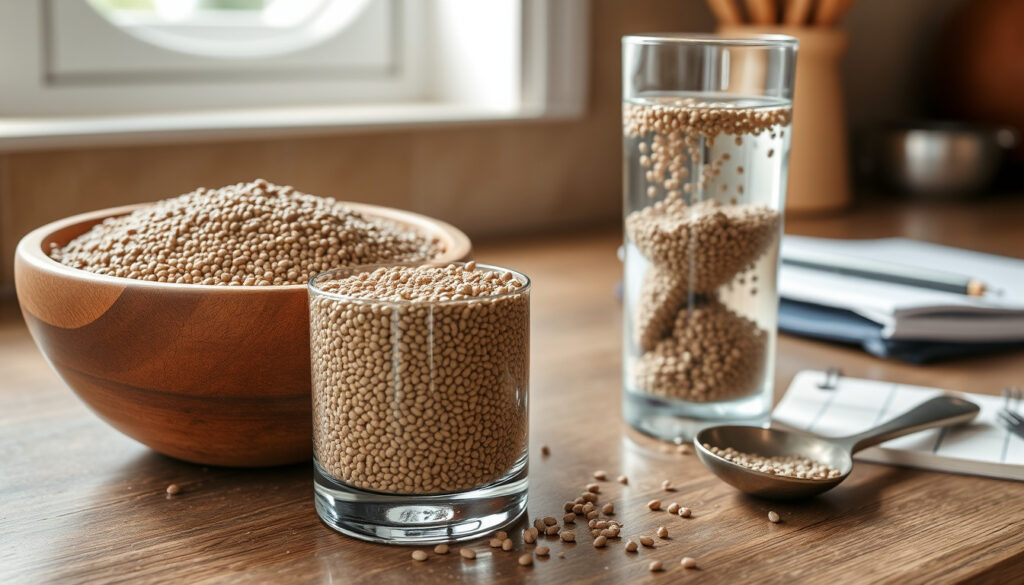
Dry chia seeds expand rapidly when they come into contact with liquid. Eating them dry by the spoonful can cause choking or esophageal obstruction. Multiple sources, including HealthCentral and Dr. Stanfield, recommend always soaking chia seeds or mixing them into moist foods before eating.
Interactions and Special Populations
People on blood thinners should be cautious because chia seeds contain omega-3s, which may affect bleeding. Those with a history of kidney stones may want to limit intake due to oxalate content. For individuals with swallowing difficulties, bowel disorders, or those who are pregnant or breastfeeding, a clinician should be consulted before routine use. WebMD and Medical News Today both highlight these precautions.
The question “can chia seeds kill you?” stems from the choking hazard when seeds are eaten dry. While very rare, obstruction can be serious. Always soak chia seeds for at least 5–10 minutes before consuming.
How Much Chia Seeds Should You Eat Per Day?
General Dosage Recommendations
There is no established clinical dose for chia seeds. However, studies commonly use about 24–30 grams per day (roughly 2–2.5 tablespoons). For general use, Cleveland Clinic suggests starting with 1 tablespoon per day if you are new to high-fiber foods, then increasing to 2 tablespoons per day if tolerated.
Dosage for Weight Loss
HealthCentral reports a common weight-loss-oriented recommendation of 1–2 tablespoons per day within a broader calorie plan. The key is integration into a reduced-calorie diet, not relying on chia seeds alone. Consistency and adequate hydration are important.
Start with 1 tablespoon (about 15 g) of soaked chia seeds mixed into yogurt, oatmeal, or a smoothie. Drink extra water throughout the day to ease digestion. If tolerated well after a week, increase to 2 tablespoons.
For more on combining chia seeds with a weight-loss plan, explore More on superfoods for weight loss. Additional dosage guidance is available from Cleveland Clinic and HealthCentral.
From Ancient Aztec Staple to Modern Superfood: A Timeline
- ~3500 BCE: Chia seeds are cultivated by Aztecs and Mayans as a staple food.
- 1500s: Spanish conquest leads to a decline in chia cultivation.
- 1980s: Chia re-emerges as a health food in South America.
- 2000s: Commercial cultivation expands; chia is marketed as a superfood.
- 2010s: Clinical studies on weight loss, heart health, and diabetes appear.
- 2020s: Chia seeds become mainstream; global production grows steadily.
This timeline is based on historical accounts summarized in academic and food-history sources. For a scientific review, see PMC – Chia seeds: A therapeutic weapon.
What Do We Know for Sure About Chia Seeds?
| Established Information | Still Unclear |
|---|---|
| Chia seeds are rich in fiber, omega-3s (ALA), and minerals. | Long-term safety of very high doses (over 50 g/day) is unknown. |
| Weight loss benefits are supported by small studies; effect size is modest. | Female-specific benefits (e.g., hormonal balance) lack robust clinical trials. |
| Chia seeds are not toxic; the “can chia seeds kill you” concern stems from choking hazard. | The ability of chia seeds to significantly lower blood sugar is mixed in clinical evidence. |
For further reading on evidence levels, Healthline’s analysis provides a balanced overview of what is and isn’t proven.
How Do Chia Seeds Compare to Other Seeds?
Chia seeds are often compared with flax seeds and hemp seeds. They excel in omega-3 (ALA) content, providing about 4.9 grams per 28-gram serving — higher than flax seed’s 6.5 grams per 28 grams, but flax seeds also contain lignans with antioxidant properties. Hemp seeds offer a complete protein profile, while chia seeds are incomplete in protein but still provide a good amount when combined with other plant proteins.
The growing popularity of chia seeds is driven by clean-label trends and the rise of plant-based diets. The U.S. Food and Drug Administration has classified chia seeds as Generally Recognized as Safe (GRAS) based on the FDA GRAS Notice for Chia Seeds, meaning no adverse effects are expected at normal intake levels.
What Do Health Authorities Say About Chia Seeds?
“Chia seeds are an excellent source of fiber, protein, and omega-3 fatty acids.”
Harvard Health
“The omega-3s in chia seeds can help reduce inflammation and improve heart health.”
Healthline
“Chia seeds have shown potential in improving metabolic parameters in animal and human studies.”
PMC study (2022)
For more authoritative perspectives, Medical News Today also offers a detailed analysis of benefits and risks.
Are Chia Seeds Worth Adding to Your Diet?
For most people, chia seeds are a safe, nutrient-dense addition to a balanced diet. They can support digestive health, provide plant-based omega-3s, and contribute to satiety. However, they are not a magic bullet for weight loss, and their benefits are best achieved when combined with an overall healthy eating pattern. Starting with small amounts, staying hydrated, and preparing them properly are key to avoiding side effects. For personalized advice, consult a healthcare professional, especially if you have underlying conditions or are pregnant.
Frequently Asked Questions
Can chia seeds be eaten raw?
Yes, but they are best soaked in liquid to avoid choking and improve digestion.
Do chia seeds expire?
They can last 2-3 years if stored in a cool, dry place. Check for a rancid smell.
Are chia seeds good for diabetics?
The high fiber may help stabilize blood sugar, but consult a doctor before adding to diet.
Can I eat chia seeds during pregnancy?
Generally safe, but moderate intake (1 tbsp/day) is recommended due to high fiber. Seek medical advice first.
What is the difference between black and white chia seeds?
Minimal nutritional difference; color variation is due to seed maturity.
More related posts
 Shoe Insoles – Complete UK Guide for Flat Feet, Boots and Sizing
 Lorna Luxe – Real Name, Age, Husband, Net Worth & Brand
 Jacket Women – Best Styles and Brands for 2025
 House of Fraser Outlet – UK Locations and Online Deals
 Edward Norton – Movies, Net Worth, Wife, and Career
 Rosie Jones – Biography, Career Highlights, and FAQs
 Guy Burnet – British Actor from Hollyoaks to Oppenheimer
 Biggy Norris – Age, Family, and 2025 Updates