Aloe Vera – Care, Benefits, and What Health Experts Say
What is aloe vera?
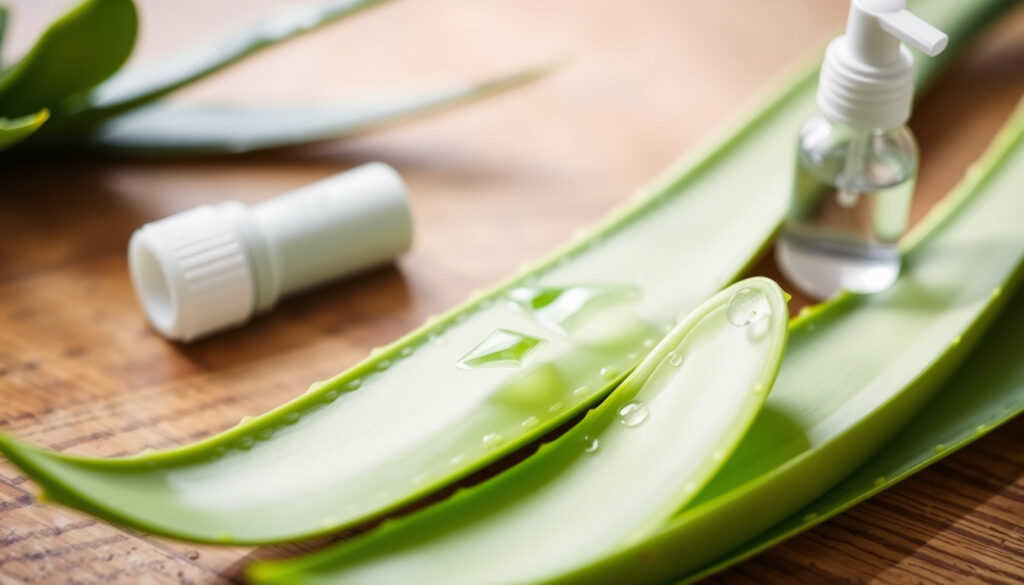
Aloe vera is a low-care succulent plant species cultivated worldwide for the clear gel and yellowish latex stored inside its thick, fleshy leaves. Native to the Arabian Peninsula, it belongs to the Asphodelaceae family and is the best-known member of the Aloe genus, which contains roughly 500 species. The gel makes up most of the leaf and consists primarily of water, along with polysaccharides, vitamins, enzymes, and minerals.
The latex sits just beneath the leaf skin and has very different properties from the gel. It is bitter and contains compounds with a strong laxative effect. That distinction matters because it explains why some aloe products are designed for the skin while others are processed specifically for oral use. Learn more about the plant and its uses.
How do you care for an aloe vera plant?
Aloe vera is one of the easiest houseplants to keep alive, but it has firm preferences. It stores water in its leaves, so it tolerates drought far better than overwatering. Most care problems come down to soil that stays wet, pots without drainage, or light levels that are too low.
| Fact | Detail |
|---|---|
| Botanical name | Aloe vera |
| Family | Asphodelaceae |
| Native range | Arabian Peninsula |
| Plant type | Succulent perennial |
| Main useful parts | Inner leaf gel and latex |
| Genus size | Around 500 species |
| Light | Bright light, about 6–8 hours a day |
| Water | Only when soil is dry; minimal in winter |
| Soil | Well-draining cactus or succulent mix |
| Repotting | Every 2–3 years |
How much light does an aloe vera plant need?
Aloe vera grows best in bright light, with roughly 6–8 hours of sunlight per day as a common target. A south- or west-facing window is ideal indoors. When light is insufficient, the leaves begin to stretch, turn pale, or flop over.
What kind of soil and pot should you use?
Drainage is the single most important factor. Use a pot with drainage holes and a coarse, well-draining mix designed for cacti and succulents. Standing water around the roots quickly leads to rot, which is the most common cause of death for indoor aloe plants.
When should you repot and fertilize aloe vera?
Repot every 2–3 years using a slightly larger pot and fresh succulent soil, as recommended by seasoned gardeners. Fertilizer is optional; if you feed, use a light cactus fertilizer during spring and summer, following the care schedule from Love the Garden.
Watering reminder: Before watering, push a finger about two inches into the soil. If it feels dry, water thoroughly. If it still feels damp, wait a few more days. Yellow, mushy leaves usually mean too much water; thin, curled leaves mean too little.
What are the benefits of aloe vera gel, juice, and cream?
Aloe vera is used in two main ways: applied to the skin or consumed as a drink. The evidence is stronger for topical use. The gel is widely used for minor burns, sunburn, dry skin, and general irritation because of its light, non-greasy texture. Products range from pure gel to creams, lotions, and drinkable juices.
Aloe vera gel for face and skin
Aloe vera gel is a common ingredient in after-sun lotions, moisturizers, and soothing masks. Its high water content makes it a light, fast-absorbing option for the face. Many people also use it during the healing phase of a new tattoo. If you are considering new ink, you can browse tattoo designs to get started.
Aloe vera cream and moisturizing products
Creams and lotions that list aloe as an ingredient vary widely in concentration. Some contain mostly water, thickeners, and preservatives with only a small amount of aloe. Check the ingredient list: if aloe appears near the top, the product contains a meaningful amount. The botanical name Aloe barbadensis miller, an older synonym for the same species, also appears on some labels. Learn more about the plant and its synonyms.
Aloe vera juice and digestive health
Aloe juice is marketed for digestion, weight loss, and inflammatory bowel conditions. These are traditional and commercial claims rather than fully established medical benefits. The juice may have a mild laxative effect, which is why some people use it for constipation. However, oral aloe requires caution, especially when the latex is involved.
What the evidence shows: The National Center for Complementary and Integrative Health notes that topical aloe gel may help speed the healing of minor burns. Other popular uses, such as treating acne or psoriasis, do not have the same level of consistent evidence.
Where can you buy aloe vera plants and products?
Aloe vera plants and products are widely available at garden centers, nurseries, big-box home stores, pharmacies, and online retailers. If you are searching for “aloe vera near me,” local garden centers and home improvement stores usually stock potted plants in their houseplant sections. ProFlowers recommends looking for firm, plump leaves with no brown spots or signs of rot when choosing a plant.
How to choose aloe vera gel, cream, and juice
- For the skin: pure aloe vera gel with few added ingredients
- For a moisturizer: an aloe-based cream or lotion with aloe near the top of the ingredient list
- For oral use: decolorized inner-leaf aloe juice from a reputable brand
- For the plant: a healthy Aloe vera in a pot with drainage holes
Aloe vera plant vs. gel vs. cream vs. drink
The whole plant is the most versatile option; you can harvest a leaf and squeeze out the fresh gel yourself. Gel is the raw material for most topical uses. Cream adds moisturizing ingredients. Drinkable aloe is processed for oral consumption and should be labeled for that purpose. House Beautiful notes that even a well-cared-for plant can be a long-term investment.
How often should you water an aloe vera plant?
Water aloe vera only when the soil has dried out. Several sources recommend letting the top layer of soil dry, and in some cases allowing the soil to dry fully between waterings. According to The Spruce, during winter the plant needs even less water, sometimes only once a month.
A common mistake is watering on a fixed schedule. Instead, check the soil and water only when it is dry. The “soak and dry” method works well: water thoroughly until it drains from the bottom, then wait until the soil is completely dry before watering again.
Is aloe vera safe to use?
For most people, applying aloe vera gel to the skin is safe. Mild irritation or an allergic reaction is possible, especially in people with sensitive skin. Oral aloe is a different story. Aloe latex is a yellowish, bitter substance with strong laxative properties. Consuming it can lead to cramping, electrolyte imbalances, and more serious concerns with long-term use. Reputable sources advise using only properly prepared, labeled products that have had the latex removed.
Oral use caution: The latex in aloe vera leaves is a strong laxative. Do not assume that eating raw leaves or drinking unprocessed aloe juice is safe. Look for decolorized inner-leaf juice, which removes the latex component.
If you are considering aloe for a medical condition, talk to your healthcare provider first. This is especially important if you take medications for diabetes, heart conditions, or digestive disorders. Good Housekeeping notes that even natural products can interact with prescription drugs.
Why is aloe vera called the plant of immortality?
The nickname comes from ancient traditions. Aloe vera was placed in tombs in ancient Egypt and was regarded as a symbol of protection and eternal life. The plant’s ability to survive long periods without water contributed to its reputation for resilience. This is historical background rather than a health claim.
What do health authorities say about aloe vera?
The National Center for Complementary and Integrative Health (NCCIH) is the most reliable source for health-related questions about aloe vera. It states that topical aloe gel may speed burn healing and reduce burn-related pain. For oral use, it notes that aloe is promoted for weight loss, diabetes, and inflammatory bowel disease, but that evidence is limited.
“Topical aloe gel may speed the healing of minor burns and reduce burn-related pain.”
National Center for Complementary and Integrative Health
“Aloe is promoted for weight loss, diabetes, and inflammatory bowel disease. There is not enough high-quality evidence to support these uses.”
National Center for Complementary and Integrative Health
Which aloe vera product should you choose?
The right aloe product depends on your goal. For sunburn, minor cuts, or dry skin, a pure aloe vera gel is the most direct option. For daily facial moisture, a cream or lotion with aloe near the top of the ingredient list works well. For digestive questions, aloe juice should be chosen carefully, ideally a decolorized inner-leaf product from a trusted brand.
Aloe vera is sometimes promoted for immune support, but as with many natural products, the evidence matters. For a closer look at how medical claims are evaluated, read our MMR vaccine guide.
Frequently asked questions about aloe vera
Is aloe vera a cactus?
No. Aloe vera is a succulent in the Asphodelaceae family. Cacti belong to the Cactaceae family. Both store water in their tissues, but they are botanically distinct groups.
What is the difference between aloe vera and aloe barbadensis?
They are the same plant. Aloe barbadensis miller is an older scientific synonym for Aloe vera. The name appears on older product labels and botanical references.
Can you eat aloe vera raw?
Eating raw aloe leaves is not recommended without preparation. The latex layer just under the skin has strong laxative properties and can cause cramping and other side effects. Use only properly processed aloe products for oral consumption.
Can aloe vera grow indoors?
Yes. Aloe vera grows well indoors when placed in bright light, ideally near a south or west window. Use a pot with drainage holes and allow the soil to dry between waterings.
Does aloe vera need direct sunlight?
Aloe vera does best with bright, indirect light. Too much direct afternoon sun can cause the leaves to turn brown or develop a sunburn. A few hours of morning sun is usually fine.
What is the difference between aloe vera gel and latex?
Gel is the clear inner leaf material used for skin care and minor burns. Latex is a yellowish substance between the gel and the leaf skin. It contains compounds with a strong laxative effect and is not safe for regular use.
More related posts
 Alfred Enoch – Actor Bio, Career, and Personal Life
 Andy Robertson – Biography, Career Stats, Net Worth and Family
 Marc Warren – Biography, Filmography and Notable TV Roles
 Wil Wheaton – Biography, Net Worth, Movies and TV Shows
 Thelma Riley – Biography, Net Worth and Life Now in 2025
 Kelvin Fletcher – Age, Wife, Children, Net Worth and Farm Life
 Gaby Roslin – Biography, Age, Family and Career Facts
 DJ Qualls – Movies, TV Shows, Net Worth, and Personal Life