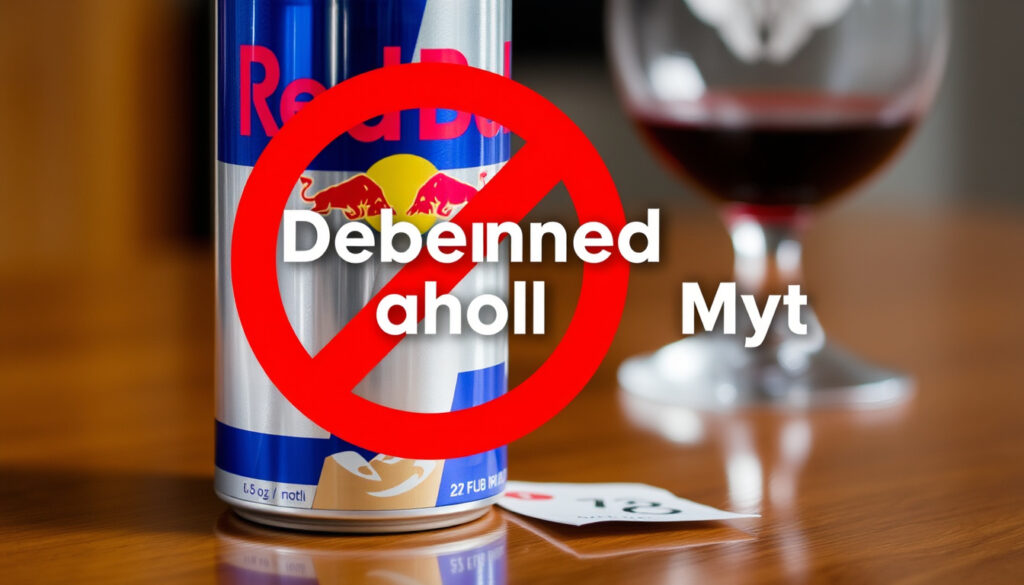
Red Bull – Facts, Owner, Price and Alcohol Myth
Red Bull is one of the most recognizable brands in the world, but its corporate structure, product details, and business ventures are often misunderstood. This article provides a clear, fact-based overview of the energy drink company, addressing common questions about its ownership, pricing, the alcohol myth, and the broader sports and media empire it has built.
The company, formally known as Red Bull GmbH, was founded in 1984 by Dietrich Mateschitz and Chaleo Yoovidhya. It operates from its headquarters in Fuschl am See, Austria, and is widely recognized not just for its energy drink, but for its extensive involvement in Formula 1, extreme sports, and media production.
This guide consolidates verified information to answer the most frequent queries about the brand, from its ingredients to its corporate ownership, based on official sources and public records.
Does Red Bull Contain Alcohol? The Facts
A persistent question among consumers is whether Red Bull contains alcohol. The answer is straightforward: standard Red Bull energy drinks are non-alcoholic. The product is a caffeine- and taurine-based soft drink, with an alcohol by volume (ABV) of 0.0%. The confusion often arises because the drink is frequently used as a mixer in alcoholic cocktails, such as the popular “Jägerbomb.”
Product
Non-alcoholic energy drink (0.0% ABV)
Owner
Red Bull GmbH (private, founded by Dietrich Mateschitz)
HQ
Fuschl am See, Austria
Price
$2.50–$3.50 USD / £1.50–£2.00 UK (varies)
Key Insights
- Red Bull is definitively non-alcoholic (0.0% ABV) – frequently confused due to its use in mixology.
- The brand is privately owned by Red Bull GmbH; the founding family retains control.
- Red Bull operates one of the largest branded content networks in the world, known as the Red Bull Content Pool.
- Christian Horner is the team principal of Oracle Red Bull Racing F1 – not a product or variant of the drink.
- Price varies significantly by region, with the US being cheaper per ounce compared to the UK.
Snapshot Facts
| Fact | Detail |
|---|---|
| Founder | Dietrich Mateschitz (with Thai co-investor Chaleo Yoovidhya) |
| Global Market Share | ~13% (2024-2025 est.) |
| Caffeine per 8.4oz can | 80 mg |
| Sugar content (original) | 27 g per 8.4oz |
| Annual cans sold | 12+ billion (2024) |
The idea of “Red Bull beer” or that the drink has an alcohol percentage is a myth. The brand’s identity is firmly tied to non-alcoholic energy drinks. The official ingredient list confirms that the beverage contains no alcohol.
Who Owns Red Bull? The Company Behind the Can
Red Bull GmbH is a privately held company, meaning it is not publicly traded on any stock exchange. This private status means there is no public share price. The company is controlled by two families: the Yoovidhya family and the Mateschitz family.
Multiple sources report that the Yoovidhya side holds 51% of the company, while Mark Mateschitz, the son of co-founder Dietrich Mateschitz, holds the remaining 49% after inheriting his father’s stake. Dietrich Mateschitz, who was the co-founder and the long-time public face of the company, passed away in 2022.
Because the company is privately held, detailed financial information, including exact revenue figures and internal valuations, is not publicly disclosed. Most “price” references in the media concern the company’s overall valuation, not a market price for shares.
The headquarters of Red Bull GmbH is located in Fuschl am See, Salzburg, Austria. This is the operational hub from which the global brand is managed. The company’s ownership structure ensures long-term brand independence, but it also means transparency regarding financial performance is limited.
How Much Does Red Bull Cost? Price Breakdown
The price of a single can of Red Bull varies considerably depending on the country, the retailer, and whether it is purchased individually or as part of a multi-pack. There is no single “official price” globally.
In the United States, a single 8.4 oz can typically costs between $2.50 and $3.50. In the United Kingdom, the same size can is often priced between £1.50 and £2.00. These prices are influenced by local taxes, distribution costs, and retailer markups. Larger cans and sugar-free variants usually have different pricing.
The company’s valuation is a separate matter. While the brand is valued in the billions, Red Bull Racing, the Formula 1 team, has been valued separately at $2.6 billion by Forbes in one report. This valuation is distinct from the value of the beverage company itself.
What Is the Red Bull Content Pool? Media & Events
Red Bull has built a massive sports and media ecosystem that extends far beyond the energy drink. The company is a major producer of content, sponsoring and organizing extreme sports events, and running its own media network.
The “Red Bull Content Pool” is a media platform where athletes and creators can upload action sports content for the brand to distribute. It is a key part of the company’s strategy to spend more on content creation than traditional advertising. Access to the platform is typically by invitation or through a partnership.
Red Bull Rampage vs. Hardline
Both are extreme mountain biking events, but they are distinct in format. Red Bull Rampage is a freeride event focused on big jumps and steep cliffs. Red Bull Hardline is a downhill event that emphasizes technical speed and a challenging course. They are separate events, not different versions of the same thing.
The Formula 1 Connection
Red Bull owns the Oracle Red Bull Racing Formula 1 team. The team was formed after Dietrich Mateschitz purchased the Jaguar Racing team and rebranded it for the 2005 season. Christian Horner has been the team principal since the team’s inception. He is not an owner of the Red Bull brand, but a key executive in the racing division.
Some users search for “Christian Horner Red Bull” thinking it might be a product variant. He is the team principal of the Formula 1 team, not a flavor or type of the drink.
Red Bull Company Timeline
- 1987: Red Bull launched in Austria, based on the Thai energy drink Krating Daeng.
- 1992: Expansion to Hungary, marking the first international market.
- 1997: US launch begins.
- 2005: Red Bull Racing F1 team is purchased and rebranded.
- 2012: Felix Baumgartner’s Stratos jump, sponsored by Red Bull, takes place.
- 2022: Dietrich Mateschitz dies; ownership transfers to the family and trusts.
- 2025: The company continues as a global content and sports giant.
What Is Certain and What Is Not
| Established Information | Information That Remains Unclear |
|---|---|
| Red Bull original and all standard variants contain 0.0% alcohol. | Some users believe “Red Bull beer” exists – it does not; only cocktail mixers use the drink. |
| Red Bull GmbH is privately owned, not publicly traded. | Price can vary significantly by store, region, and discount; no single “official price” exists globally. |
| Christian Horner is the team principal of Red Bull Racing F1, not an owner of the brand. | Red Bull Content Pool access rules are proprietary and not fully public. |
Why the “Red Bull Alcohol” Myth Persists
The persistent search for “Red Bull alcohol percentage” likely stems from the drink’s frequent use in bars and clubs as a mixer for spirits like vodka. The association with the “Jägerbomb” (Jägermeister and Red Bull) has led many to question whether the energy drink itself contains alcohol. This is a classic case of misinformation spreading through social media and word-of-mouth. The brand’s product identity is firmly tied to energy drinks, not alcoholic beverages.
Sources and Official Statements
The information in this article is based on several authoritative sources, including the official Red Bull website, Wikipedia entries for the company and its founders, and reports from third-party market analysts. The brand’s own website confirms the ingredients and non-alcoholic nature of the drink. The Wikipedia entry for Red Bull provides a comprehensive overview of the company’s history and market share. Market data from sources like Statista offers further context on the brand’s global position.
“Red Bull is an energy drink, not an alcoholic beverage. The widely discussed ‘alcohol content’ idea is a myth in the sense that the standard Red Bull drink is sold as a caffeine- and taurine-based soft drink.”
— Based on multiple public records and official product documentation.
Summary: The Big Picture on Red Bull
Red Bull is a privately held, non-alcoholic energy drink company with a massive global footprint. The brand is controlled by the Yoovidhya and Mateschitz families, operates from Austria, and has built a unique media and sports empire. The alcohol myth is false, and the price of the drink varies by location. The company’s success is built on a combination of a popular product and a powerful marketing strategy that extends into sports, events, and content creation. For more on how the company manages its assets, see Red Bull’s sports and media empire.
Frequently Asked Questions
What is the Red Bull Content Pool?
It is a media platform where athletes and creators upload action sports content for Red Bull to distribute. Access is by invitation or partnership.
Is Red Bull Hardline related to Red Bull Rampage?
Both are extreme mountain biking events. Red Bull Rampage is freeride (big jumps, cliffs). Red Bull Hardline is downhill (technical speed course).
Does Red Bull have codes or promotions?
Yes, Red Bull occasionally runs promotions with codes inside cans for prizes, but availability is regional and time-limited.
Who is Christian Horner?
He is the Team Principal of Oracle Red Bull Racing Formula 1 team, not the owner of the Red Bull brand.
How much caffeine is in Red Bull?
An 8.4oz can contains 80 mg of caffeine. Larger cans contain proportionally more.
Is Red Bull owned by a public company?
No, Red Bull GmbH is privately owned by the Yoovidhya and Mateschitz families. It is not listed on any stock exchange.
Does Red Bull contain sugar?
The original version contains 27 grams of sugar per 8.4 oz can. The company also sells sugar-free versions.
Where is Red Bull’s headquarters?
The company’s headquarters are located in Fuschl am See, Salzburg, Austria.
Is Red Bull the same as Krating Daeng?
No, but Red Bull is based on Krating Daeng, a Thai energy drink. The formula and branding were adapted for the international market.
What is the market share of Red Bull?
Estimates vary. One source states a 13% global market share in 2023, while another suggests about 25%, depending on the methodology used.
More related posts
 FTSE 100 Share Prices – Live Rates, Movers & Market Update
 Queen Latifah – Movies, Partner, Net Worth and Full Bio 2025
 Twilight Edward – Actor, Age, and Vampire Backstory
 Amy Hunt – Olympic Silver Medalist and Cambridge Graduate
 Michael Rosen – Biography, Books, Meme and Health Update
 Bobby Cannavale – Biography, Movies, and Partner Details
 James Milner – Age, Net Worth, Career and Retirement