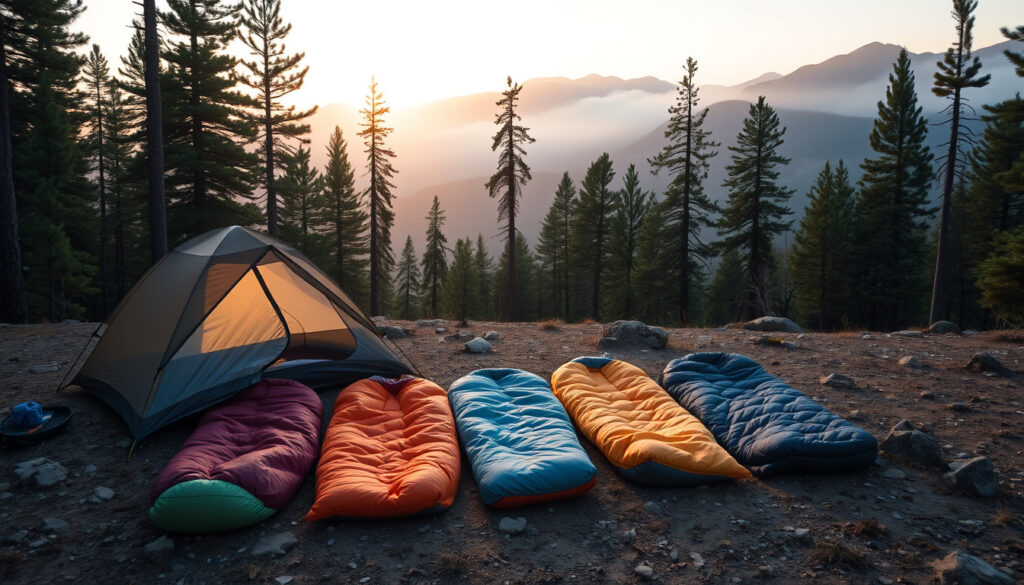
Sleeping Bags – Expert Guide to Choosing the Right One
Choosing the right sleeping bag can feel overwhelming. With season ratings, fill materials, and size charts to consider, even experienced campers can find themselves second-guessing. This guide breaks down the key factors—temperature, insulation, and fit—to help you match the bag to your specific needs, whether you are shopping for a baby, a tall adult, a couple, or yourself.
The UK market offers everything from basic synthetic bags under £20 to expedition-grade down models exceeding £500. Yet many online retailers simply list products without explaining the underlying standards. This article uses official guides, independent reviews, and safety standards to give you a clear, fact-based picture.
| Factor | Brief |
|---|---|
| Season Rating | 3‑season vs 4‑season explained |
| User Type | Adults, babies, couples, tall/large |
| Fill Material | Down vs synthetic trade‑offs |
| Temperature Ratings | Comfort, limit, extreme definitions |
- Comfort rating is the most critical number – ignore extreme rating for normal use.
- Synthetic bags perform better in damp conditions; down is lighter and packable.
- Baby sleeping bags must adhere to safety standards – look for BS EN 16779.
- Double sleeping bags often have separate zip sides for versatility.
- Decathlon offers good entry‑level value, but mid/high‑end brands outperform in durability and warmth‑to‑weight.
| Factor | Key Detail | Recommendation |
|---|---|---|
| Season rating | 3‑season: 0°C to -5°C comfort; 4‑season: -10°C to -30°C | Choose 3‑season for three‑season camping, 4‑season for winter/mountains |
| Baby sleep bag tog | Tog 2.5 for room 16‑20°C; Tog 1.0 for warmer rooms | Follow tog guidelines; never use duvets or pillows for under 12 months |
| Double bag size | Typically 200 x 140 cm (shoulder width) | Ensure both partners have enough room – extra‑wide options available |
| Large adult length | Long sizes: up to 220 cm (fits 6’4″) | Check maximum user height; allow 15 cm extra above head |
| Down fill power | 600‑900 FP; higher = warmer per gram | 800+ FP for ultralight, 600‑700 for general use |
What is the difference between a 3‑season and a 4‑season sleeping bag?
Decathlon’s guide groups sleeping bags into Summer (0°C and above), 3‑season (-10°C to 0°C), and Winter (-10°C and below). Its five‑season system goes further, with Season 5 rated for expeditions as cold as -40°C. The Camping and Caravanning Club warns that these ratings are based on standard assumptions about clothing and sleeping pads, so the comfort rating is the safest number to use for ordinary camping. For a deeper dive into how Decathlon classifies its bags, see the Sleeping bag guide: how to choose your sleeping bag.
How do I choose a sleeping bag for a baby?
Baby sleeping bags are designed to replace loose blankets, reducing the risk of suffocation. The key safety standard is BS EN 16779:2016, which covers sizing, neck openings, and thermal performance. UK Government guidance emphasises that a bag should be the correct size for the child’s weight and age: too large and the baby could slip inside, too small and movement is restricted.
Decathlon’s season guide notes that warm‑weather bags (Season 1) are suitable for kids’ sleepovers, but for infants, the main risk is overheating. Always match the tog rating to the room temperature: 2.5 tog for 16‑20°C, 1.0 tog for warmer rooms. Never use a baby sleeping bag with a duvet or pillow for children under 12 months.
For babies, fit and temperature regulation matter more than chasing a very low temperature rating. Sleep bags should be used on a firm, flat mattress and the baby should be placed on their back. Always check that the neck opening is snug but not tight.
What is the best double sleeping bag for couples?
Double sleeping bags come in two main styles: dedicated double bags or two single bags that zip together. The Camping and Caravanning Club notes that the Decathlon Simond sleeping bag can be attached to another MT500 10°C or 15°C model to create a double setup. This gives couples the flexibility to separate or use the bags individually.
Typical double bag dimensions are around 200 x 140 cm at the shoulder. Some couples prefer extra‑wide options for more space. Independent reviews from OutdoorGearLab suggest that two separate bags with a zip‑together system often provide better warmth and versatility than a single large bag, because each person can choose their own temperature rating.
A double bag can create cold spots if the partners have different sleeping temperatures. Zip‑together bags allow each person to pick a bag suited to their own needs. Look for bags with a full‑length zip that can be mated with a compatible model.
Are Decathlon sleeping bags good value?
Decathlon’s sleeping bags are widely regarded as offering strong value, especially for entry‑level and mid‑range use. The Forclaz Trek MT900, a lightweight down bag with 800 CUIN fill and a comfort rating of 0°C, is highlighted by T3 as a top choice for three‑season backpacking. The Forclaz Trek 900 synthetic version offers a similar comfort rating at a lower price point, making it a practical option for milder, damper conditions.
For winter use, the Simond Makalu III uses 800 fill power duck down and carries EN/ISO comfort ratings of -12°C, with a limit of -19°C. Live for the Outdoors describes it as offering strong insulation for the price. However, high‑end brands such as Mountain Equipment or Rab can outperform Decathlon in warmth‑to‑weight and durability for serious expeditions. The ISO 23537 standard ensures that temperature ratings are comparable across brands, so you can make an informed decision.
Which sleeping bag size is best for large adults?
Tall and broad‑shouldered campers need to check both length and width. The T3 review of the Decathlon Forclaz Trek MT900 lists sizes: L fits up to 184 cm and XL up to 200 cm. A good rule of thumb is to allow about 15 cm of extra length above your head. For width, some bags offer a “wide” or “XL” shoulder girth, which prevents the insulation from being compressed.
REI’s sleeping bag buying guide recommends that tall users look for a “long” size (typically 200‑220 cm). Many standard bags fit up to 6’0″, but anyone over that should verify the maximum user height. A bag that is too short will lose warmth at the feet and shoulders.
Large bags use more material, so weight becomes a factor. Down bags are significantly lighter than synthetic for the same warmth, which matters for backpacking. If you are car camping, weight is less of an issue and a synthetic bag can be a more budget‑friendly choice.
Down vs synthetic sleeping bags – which is better?
The choice between down and synthetic insulation depends on your priorities. According to Decathlon’s own guide, the three key factors are temperature, material, and weight. Down offers the best warmth‑to‑weight ratio and packs down small. The Forclaz Trek MT900, for example, uses 90% RDS‑certified duck down and 10% feathers, with an 800 CUIN loft. That makes it ideal for backpacking where weight matters.
Synthetic insulation, on the other hand, retains its loft when damp and is generally cheaper. The Camping and Caravanning Club’s guide points to Decathlon’s Forclaz Trek 900 synthetic bag with a 0°C comfort rating as a suitable option for typical camping. Synthetic bags are also easier to care for and more durable under rough use. However, they lose loft over time – typically after about five years – while down can last decades if kept dry.
For damp conditions, synthetic is the safer practical choice. Modern hydrophobic down treatments improve water resistance, but no down is fully waterproof. If you expect rain or high humidity, or if you are a cold sleeper, synthetic provides a greater margin of safety.
How have sleeping bags evolved over time?
- Early 20th century – First down‑filled sleeping bags used by polar explorers.
- 1970s – Synthetic fill materials introduced, offering affordability and moisture resistance.
- 1990s – EN 13537 standardised temperature ratings, later replaced by ISO 23537.
- 2000s – Rise of ultralight down and hydrophobic treatments.
- 2020s – PFAS‑free water repellents, RDS certification, and improved season‑rating clarity.
What is certain and what remains unclear about sleeping bag ratings?
| Established information | Information that remains unclear |
|---|---|
| Temperature ratings follow EN 13537/ISO 23537, but comfort and limit vary by gender and sleep system. | “Extreme” rating is survival only – not meant for comfort. Many brands use independent lab tests, yet actual performance depends on tent, pad, and clothing. |
| Approved baby bags are safer than loose blankets; follow age, tog, and room temperature guidance. | Sizing: too large may suffocate, too small restrict movement – always check current safety standards. |
| Down lasts longer if kept dry; synthetic loses loft after ~5 years. | New synthetic blends are improving; true lifespan varies with care frequency. |
Why does sleeping bag choice depend on more than just temperature?
Sleeping bag choice is heavily influenced by climate, activity type (car camping vs backpacking), and personal physiology – whether you are a cold or warm sleeper. The UK market offers a wide price range, from £20 basic synthetic to over £500 expedition down. The dominance of e‑commerce pages in search results indicates strong buyer intent, but a lack of educational content leaves many users underserved, particularly first‑time buyers and parents. A structured guide that explains season ratings, safety info, and material pros and cons can help capture featured snippets and build trust through expert citations such as mountaineering instructors and paediatric sleep guidelines.
What do the official sources and standards say?
“The comfort rating is the safest number to use when choosing a bag for ordinary camping, while the lower limit is more of a survival benchmark.”
Decathlon guide (2013) and Camping and Caravanning Club
“European sleeping‑bag ratings should be read carefully; quoted temperatures are based on standard assumptions about clothing and use.”
Camping and Caravanning Club
“BS EN 16779:2016 sets out requirements for children’s sleeping bags to ensure safety and thermal performance.”
British Standards Institution
What is the simplest rule for buying a sleeping bag in 2025?
If you want a straightforward rule: choose comfort rating first, then pick down if you need the lightest and warmest option, or synthetic if you expect dampness, rougher use, or lower cost. For more detailed guidance, see the Sleeping bag guide: how to choose your sleeping bag and the 7 best sleeping bags of 2024 for Decathlon’s latest recommendations.
Frequently asked questions
How to pack a sleeping bag to save space?
Use a compression sack; for down bags, avoid over‑compressing long‑term. Roll or stuff – stuffing often packs smaller.
Can I use a 4‑season sleeping bag in summer?
Yes, but you may overheat. Unzip it or use it as a quilt to regulate temperature.
What is the best sleeping bag for winter mountaineering?
A 4‑season down bag with -20°C comfort rating, typically from brands like Mountain Equipment or Rab.
Are waterproof sleeping bags necessary?
Not essential if you have a waterproof bivvy or tent, but a water‑resistant shell helps in damp conditions.
How do I clean my sleeping bag?
Down: use specialist cleaner, machine wash on gentle, dry with tennis balls. Synthetic: follow care label; avoid fabric softener.
What size sleeping bag do I need if I am 6 feet tall?
Look for a ‘long’ size (usually 200‑220 cm). Many standard bags fit up to 6’0″, but tall users should verify.
What is the difference between comfort rating and lower limit?
Comfort rating is the temperature at which a standard woman can sleep comfortably. Lower limit is a survival benchmark for a man.
Are Decathlon sleeping bags suitable for winter camping?
Yes, models like the Simond Makalu III have a comfort rating of -12°C, suitable for winter use. Check the rating carefully.
Can I zip two Decathlon sleeping bags together?
Yes, some models like the Simond and MT500 are designed to zip together to form a double bag.
How long does a synthetic sleeping bag last?
Synthetic bags typically lose loft after about five years of regular use, depending on care and storage.
More related posts
 Tana Ramsay – Full Biography and Cookbook Collection
 Farrah Abraham – Teen Mom Star, Net Worth, and Political Run
 Caleb Landry Jones – Biography, Cannes Win, and New Projects
 Hyacinth Bucket – The Iconic Snob, Explained
 Paula Yates – Biography, Death, and Her Children’s Tragic Story
 Ella Anderson – Age, Height, Movies and Henry Danger Bio
 Emma Navarro – WTA Ranking, Career Highlights and Personal Life
 1.8 m in Feet – Exact Conversion and Height Guide