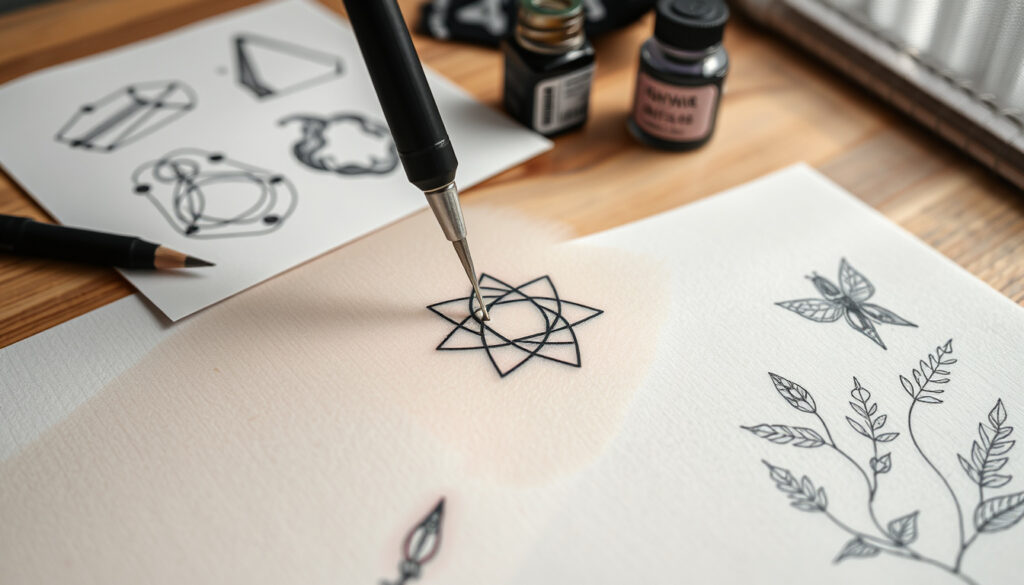
Tattoo Designs – Trends and Tips for 2025
Are Tattoo Designs Trending Toward Simplicity in 2025?
The way people search for tattoo inspiration has changed. Increasingly, the focus is on small, simple, and highly personalized designs rather than large, all-over pieces. According to search data, “small tattoo ideas” and “tattoo ideas for men” are among the most requested queries, indicating a widespread pull toward minimalism and specific placement. This shift is driven by a desire for body art that integrates with one’s natural form and can be easily built upon over time.
This move toward simplicity isn’t just a fleeting preference; it reflects a broader cultural turn toward intentionality. Instead of covering large surface areas, many are choosing designs with personal significance. This often translates into cleaner linework, micro-scale details, and a focus on the story behind the ink. The result is a more curated and considered approach to body art, where every element serves a purpose.
Furthermore, the influence of visual platforms has democratized inspiration, but it has also created a gap. While social media provides endless images, it often lacks the educational depth needed to make informed decisions about design longevity and collaboration. This guide addresses that gap by examining current trends, addressing key design questions, and providing practical knowledge for your next piece.
What Are the Best Tattoo Designs for Men and Women?
When looking at the most popular tattoo designs for men and women, there is significant overlap in style, but placement and execution often differ. The biggest common ground lies in simple, minimalist, script, micro-tattoo, and fine-line designs. For men, this might translate to a geometric symbol on the forearm or a bold blackwork piece on the calf, while for women, it could be a delicate script on the ribs or a micro-realism portrait on the inner arm. The choice is less about a hard gender split and more about individual body shape and personal preference.
Tattoo Designs for Men: Key Styles and Placements
For men, the most popular styles in 2025 include blackwork and clean linework, often paired with negative space and geometric structure. Placement-wise, the forearm, calf, and upper back are popular canvases. These areas accommodate both larger, custom concept-driven pieces and smaller, standalone symbols. A trend moving away from random flash collections means that even larger statement pieces are now being built as cohesive, concept-driven compositions rather than a collection of unrelated images.
When considering arm tattoos for men, the design should flow with the muscle anatomy. For example, a geometric pattern might follow the curve of the bicep, while a long vertical script might run along the outer forearm. The choice of black ink versus color, and fine-line versus bold linework, will also significantly impact the overall aesthetic and longevity. Ultimately, the best designs are those that feel like a natural extension of the individual’s body and style.
Simple and Minimalist Tattoo Ideas for Women
Fine-line minimalism remains one of the strongest trends for women, characterized by clean, delicate lines used for small florals, symbols, initials, abstract shapes, and subtle script. Micro-tattoos and tiny tattoos continue to be popular, especially for first-time clients and those wanting subtle body art. These designs are often placed on the inner arm, wrist, or collarbone, where they can be easily shown or covered. The success of these pieces hinges on the artist’s precision with line weight and negative space.
The appeal of minimalist tattoos lies in their understated elegance and ease of integration. They are not only popular for their aesthetic but also for their practicality. Many clients prefer tattoos that are small, clean, and easy to integrate into future pieces. This approach ensures that a collection of small tattoos can eventually blend into a larger, more cohesive sleeve without clashing styles or overwhelming the skin. For many, a name or date in a handwritten script is the perfect example of this personal, subtle style.
How to Choose a Design Based on Tattoo Placement?
Choosing a design based on placement is a critical step that many overlook. The right placement can enhance a design, while a poor choice can compromise its look and longevity. For instance, hand tattoos have specific longevity concerns, including fading and blowout, which should influence design choices. Areas with high movement and frequent friction, like the hands and feet, require designs with bold lines and high contrast, as fine lines may spread or fade faster. For the arm, a popular placement choice, consider how the design will wrap around the natural curve of the muscle.
Placement is a major factor in a tattoo’s lifespan. While hands and fingers are prone to fading due to high cell turnover, a well-executed design on the top of the hand can hold up well. On the other hand, areas like the inner arm or calf that experience less friction will generally maintain their detail and color for a longer period. Discussing realistic expectations with your artist can help you choose a placement that aligns with your design and maintenance preferences.
What Are the Best Tattoo Designs for the Hand?
Hand tattoos are an increasingly popular, albeit bold, choice. The top of the hand offers a flat surface ideal for micro-realism, geometric patterns, or small, meaningful symbols. However, the skin on the hand is delicate and regenerates quickly, meaning tattoos here may require more touch-ups. Fingers and palms are particularly problematic; ink on the palms is often diffused due to the skin’s high cell turnover, leading to rapid fading. For the hand, a popular trend is a “modern name tag” design, but it is crucial to use an artist experienced in this delicate area to ensure the design lasts.
Given the potential for fading, it is advisable to choose designs that remain legible even with slight blurring. A bold, simple symbol or a solid black design will fare better than a detailed, fine-line piece. Furthermore, the hand is a highly visible area, so it is often reserved for designs with significant personal meaning, such as a family name or a child’s name in clean typography. Unlike a large back piece, a hand tattoo is a constant and public statement, a fact that often influences the decision to get inked there.
Considerations for Arm Tattoos and Other Common Areas
The arm remains one of the most versatile canvases, suitable for everything from small script to full sleeves. For the forearm, popular choices include horizontal bars of script, minimalist florals, or geometric designs that align with the bone structure. The inner arm is a prime spot for micro-realism portraits of loved ones or pets. For the upper back or shoulders, larger, detailed designs are often chosen as they can accommodate more intricate elements. However, unlike the forearm, this area is less easily seen by the wearer, which can be a factor in the design’s purpose.
When choosing a design for the upper back or neck, it is important to consider the “tramp stamp” legacy and how modern designs have evolved from that. Today, spine and lower back tattoos can be elegant and sophisticated when done in fine-line or minimalist styles. Ultimately, the best placement-specific designs work with the natural movement of the body, creating a seamless visual flow. This alignment between the design’s shape and the body’s anatomy is a key principle for a beautiful and lasting tattoo. For more ideas on how to select the right design for your body, see our guide on tattoo designs for men and women.
How to Incorporate Names into Tattoo Designs?
Incorporating a name into a tattoo design has evolved from bold, block lettering to a more delicate and integrated art form. The most common and enduring approach is using a family name or child’s name, often crafted in a clean sans-serif or handwritten script. This moves away from the “amateur” label that name tattoos sometimes carry. When designed with a skilled artist and good typography, a name tattoo can be an elegant and deeply personal piece, rather than a spontaneous mistake. A popular trend is to integrate the name with significant elements, such as an infinity symbol, a meaningful date, or a subtle floral motif.
To keep a name tattoo looking sophisticated, the font choice is paramount. A delicate script that mimics handwriting feels personal, while a clean, geometric sans-serif font gives a modern and intentional look. You can also embed the name within a larger design, such as a book, a geometric frame, or a cloud, to give it more context and visual interest. The placement of the name also matters; a name on the inner wrist, collarbone, or side of the foot can feel more intimate and subtle than a large font on the back. The goal is for the name to feel like a natural part of the overall design, not the sole focus unless that is the intent.
A common misconception is that name tattoos always look amateur. This is uncertain and largely depends on execution. When designed with a skilled artist and good typography, name tattoos can be elegant. The key is to treat the name as a typographic element within a custom design, ensuring the style fits your personality and the placement on your body.
What Are the Emerging Trends in Tattoo Styles for 2025?
The tattoo trends for 2025 show a clear move toward personalization and technological influence. Cybersigilism is emerging as a major style, blending futuristic, glitchy, or geometric visuals with symbolic and spiritual motifs. This style caters to the desire for unique, tech-forward designs. Another significant trend is micro-realism, which is rising fast, involving tiny, highly detailed portraits of loved ones, pets, or icons done in black and grey. These styles indicate a preference for pieces that are not only aesthetically pleasing but also carry deep meaning and showcase the artist’s technical skill.
Beyond new styles, there is a continuing demand for names and personalization. This extends beyond just lettering to include biometric data. Hyper-personalisation using biodata, such as a heartbeat or fingerprint, is creating unique design niches. This goes a step further than a physical description, embedding an inherent part of the person directly into the design. This trend, alongside the continued popularity of coordinates, dates, and short words, shows that the most desired tattoos are those that tell a specific and personal story. The focus is less on following a fad and more on creating a permanent piece of art that is intrinsically linked to the individual.
When considering a name or personal tattoo, it is helpful to look for inspiration from various sources. However, it is crucial to understand the difference between inspiration and imitation. A Pinterest image can be a starting point for a design, but a skilled artist will help you adapt it to create a timeless piece. The process should be collaborative, moving from a rough idea to a final design that fits your body and personal style. Because of this, finding an artist who specializes in your preferred style, whether it be fine-line, blackwork, or geometric, is often more important than selecting a design from a generic gallery. If you are still deciding on a direction, explore the section on placement-specific designs to see how different areas of the body can influence your choice.
How to Find a Custom Tattoo Design Artist?
Finding the right artist is the most significant step in ensuring a successful tattoo. When searching, look for an artist whose portfolio not only showcases technical proficiency but also aligns with the specific style you want. For example, an artist who excels in bold traditional work might not be the best fit for a delicate fine-line piece. Review their past work on similar subjects and placements to assess their versatility and skill. A great artist will also serve as a collaborator, working with you to refine your idea and advise on design longevity and placement based on their professional experience.
The search for an artist and the design process itself is where having a solid understanding of tattoo design is crucial. This includes practical knowledge about what constitutes a good design, how to incorporate names, and how to ensure the piece will age well. It’s also a point where many people have questions about copyright. While it’s clear that you cannot copyright a single line or a common symbol, a specific and unique design created by an artist is their intellectual property. However, discussing the use of a design with your artist as a starting point for a custom piece is a normal part of the creative process. The goal is to find an environment where you feel comfortable expressing your ideas and receiving professional feedback to ensure the final result is something you will be proud to wear forever.
Frequently Asked Questions About Tattoo Designs
How much does a custom tattoo design cost?
The cost varies wildly based on the artist’s experience, the design’s detail, and the studio’s location. A simple flash can take 30 minutes, while a custom sleeve blueprint might take weeks. It is best to ask for a quote for the entire project, including the artist’s time and any consultation fees.
Can I use a Pinterest image as a tattoo design?
You can use a Pinterest image as a starting point for inspiration, but it’s not recommended to copy a design exactly. Tattoo artists are accustomed to taking visual references and reworking them into a unique design that fits your body, respects their style, and ensures the work is original.
How do I choose between a custom and a flash tattoo design?
A custom design is created specifically for you, ensuring it’s unique and tailored to your vision. Flash designs are pre-drawn, offering a convenient starting point. If you want a design that reflects your personal story, a custom piece is the right choice. For a spontaneous decision or if you love a specific piece of art, a well-designed flash is perfectly fine.
Is it okay to have a tattoo that isn’t unique?
Yes, having a tattoo that isn’t unique is perfectly okay. Many classic flash designs have lasted for decades, proving that great design isn’t determined by uniqueness. The quality, execution, and personal meaning behind the tattoo are what truly make it special.
What is the difference between a tattoo artist and a tattoo designer?
A tattoo artist is the person who applies the ink, using a machine to create the permanent design. A tattoo designer is someone who creates tattoo artwork, which might be drawn digitally or on paper. Many tattoo artists are their own designers, but you can also hire a separate professional to create a custom design for you to take to an artist.
Do tattoos have to be meaningful?
No, tattoos don’t always have to be deeply meaningful. Many people get tattoos purely for their aesthetic appeal, like a favorite flower or a beautiful pattern. Others prefer tattoos as a form of body modification. As long as the design pleases you and is well-executed, it’s a good tattoo.
How can I find my own tattoo style?
Start by collecting images that appeal to you, without worrying about a specific theme. Use platforms like Pinterest and Instagram to gather a broad range of styles. Over time, you will notice patterns in the colors, line weights, and subjects you are drawn to (e.g., traditional, blackwork, fine-line), which will help you define your personal aesthetic.
What is the luckiest symbol to get on a tattoo?
The idea of a “lucky” symbol varies by culture. Some popular choices include the four-leaf clover, horseshoe, elephant (for good luck), or the evil eye (to ward off bad luck). For a more personalized meaning, consider symbols from your own heritage or family traditions.
Do gel nail polishes fade or alter the color of tattoos during application?
Applying gel nail polish does not directly alter a tattoo’s color. However, the use of UV/LED lamps to cure gel polish on your hands can cause tattoo ink to fade over time, just like sun exposure from a tanning bed. If you get a hand tattoo, it is advisable to cover it or apply high SPF sunscreen when using these devices.
Are tattoos a good way to repress memories?
Some individuals choose to get tattoos as a way to mark a past experience or transformation, which can be a positive coping mechanism. However, tattoos are not a substitute for professional mental health treatment. They can be a form of self-expression and reclamation, but they do not serve as a cure for trauma or a way to repress memories.
More related posts
 Lamar Odom – Alive, Net Worth, Documentary and Life After NBA
 Bhad Bhabie – Biography, Net Worth and 2026 Update
 Isle of Wight County Press – Latest News and Death Notices
 Jennifer Carpenter – Biography, Net Worth, Movies and TV Shows
 Swim Shorts – Best Picks, Fit Guide & Care Tips for 2025
 Joe Wicks – Net Worth, Workout, App, Books & Family
 Ant Man – Complete Guide to Movies, Cast and Watch Order
 Mount Etna – Latest Eruption Status and Visitor Guide 2025