Where the Wild Things Are – Summary, Themes, Movie Guide
Maurice Sendak’s Where the Wild Things Are has captivated readers since its publication in 1963, becoming one of the most celebrated picture books in children’s literature. The story of a boy named Max who travels to a land of fantastical creatures has been translated into dozens of languages, adapted into a major motion picture, and continues to resonate with generations of readers exploring its themes of childhood imagination and emotional processing.
The book received the Caldecott Medal in 1964, cementing its place in literary history and demonstrating Sendak’s innovative approach to both storytelling and visual narrative. Despite its acclaim, the work has faced challenges in libraries and schools due to its depiction of scary monsters, leading to debates about age-appropriate content for children.
This guide provides a comprehensive overview covering the plot, author background, adaptations, thematic analysis, and the ongoing conversations surrounding this enduring classic. For readers interested in exploring other celebrated works from the era, a review of literary classics offers additional context on influential children’s literature.
What Is Where the Wild Things Are About?
The narrative centers on Max, a young boy who dresses in a wolf suit and engages in mischievous behavior at home. After being called a “wild thing” by his mother and becoming disrespectful toward her, Max finds himself confined to his room as punishment. With no supper waiting for him, his anger grows and transforms through the power of imagination.
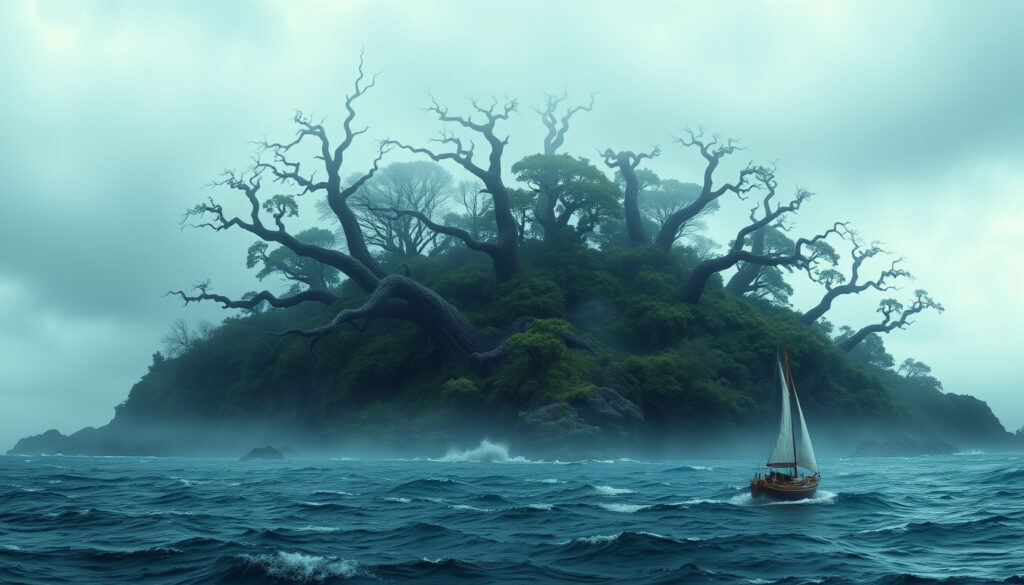
From his bedroom, a forest mysteriously grows, and Max sails across stormy seas to an island inhabited by enormous monsters with claws. Rather than fleeing from these creatures, Max demonstrates fearlessness by staring directly into their eyes without blinking. Impressed by his bravery, the wild things declare him “the wildest thing of all” and crown him their king.
Max then initiates “the wild rumpus,” a boisterous celebration where he and the creatures dance beneath moonlight, hang from trees, and engage in revelry. However, the adventure takes a turning point when Max catches the scent of “good things to eat” from afar. Despite the wild things’ pleas for him to stay—declaring “we’ll eat you up—we love you so!”—Max chooses to return home. Upon arrival, he discovers his supper waiting for him, still hot, demonstrating that his mother’s love persists despite the temporary punishment.
Maurice Sendak
1963
Caldecott Medal (1964)
2009 Film
- Classic tale exploring imagination, mischief, and emotional management in childhood
- Frequently challenged in libraries due to depiction of “scary” monster characters
- Features 48 pages with innovative use of illustration sizing to convey emotional intensity
- Explores the duality between a child’s real world (where adults are in charge) and imaginative world (where the child controls outcomes)
- Uses literary devices including metaphor, foreshadowing, repetition, and duality
- Has influenced generations of children’s authors and illustrators
- Part of broader conversations about age-appropriate content in children’s literature
| Fact | Details |
|---|---|
| Genre | Picture book |
| Page Count | 48 |
| ISBN | 978-0060255216 |
| Publisher | HarperCollins |
| Wild Things Names | Not named in the book |
| Max’s Journey | Imagination to home |
| Caldecott Medal | Won 1964 |
Who Wrote Where the Wild Things Are?
Maurice Sendak was the author and illustrator of Where the Wild Things Are, born in Brooklyn, New York, in 1928. The work drew inspiration from his own childhood experiences and the complex emotions children navigate when dealing with frustration, anger, and the desire for independence.
Maurice Sendak’s Creative Background
Sendak worked as a window display designer for FAO Schwarz before establishing himself as a children’s book author and illustrator. His early work in visual presentation influenced his distinctive illustration style, which featured rich colors and emotionally expressive character designs.
The themes in Where the Wild Things Are reflect Sendak’s understanding of childhood as a time when emotions can feel overwhelming and unmanageable. Rather than presenting a sanitized version of childhood, Sendak chose to depict Max’s anger and frustration authentically, allowing young readers to see their own feelings reflected in the narrative.
Where the Wild Things Are was published by Harper & Row in 1963, with a subsequent edition by HarperCollins after their merger. The book has never been out of print since its initial release, demonstrating its enduring appeal across decades of changing publishing landscapes.
Influences and Inspirations
Sendak has spoken in interviews about how his work was influenced by European fairy tales and the writings of authors who treated children as intelligent beings capable of understanding complex emotions. The wild things themselves emerged from Sendak’s exploration of how children internalize difficult feelings—they become externalized as creatures that are simultaneously frightening and manageable.
The book’s connection to child psychology has been noted by educators and mental health professionals who recognize its value in helping children identify and process emotions. Parents and teachers exploring similar themes might find value in resources available through the Sendak Foundation, which supports arts education for children.
Is There a Movie Adaptation of Where the Wild Things Are?
A feature film adaptation directed by Spike Jonze was released in 2009, starring Max Records as Max and featuring puppetry-based creature effects created by Jim Henson’s Creature Shop. The film brought Sendak’s visual world to life with a distinctive artistic approach that balanced the book’s fantastical elements with realistic emotional groundedness.
Film Reception and Approach
The adaptation received generally positive critical reviews, with praise directed particularly toward its visual aesthetic and faithful interpretation of the book’s emotional tone. The production design incorporated large-scale sets and creature puppets rather than computer-generated imagery, creating a tactile quality that honored the original illustrations.
Jonze’s adaptation expanded the narrative to feature length while retaining the book’s core emotional arc. The film includes additional sequences exploring Max’s life outside the wild things’ island, providing more context for his emotional state and relationships with family members. Those interested in comparing different cinematic approaches to literary adaptations may find relevant analysis in a discussion of historical drama films and their treatment of source material.
Other Adaptations
Beyond the 2009 film, the book has inspired numerous adaptations including stage productions, opera versions, and educational materials. An opera adaptation premiered in the 1980s, demonstrating the story’s versatility across different artistic mediums.
What Age Is Where the Wild Things Are For and Why Was It Banned?
Where the Wild Things Are is typically recommended for children ages 4 through 8, though many educators and parents use it with slightly younger or older children depending on individual maturity levels. The book’s appropriateness depends largely on how individual children respond to the depictions of monsters and the theme of temporary parental punishment.
Challenges and Controversies
The American Library Association has documented Where the Wild Things Are among its frequently challenged books, with challenges typically citing concerns about the scary monster illustrations, depiction of rebellion against parental authority, and the wolf costume imagery.
Critics have also pointed to the line “I’ll eat you up I love you so” as potentially frightening language, though advocates for the book note that the context clearly indicates affection rather than threat. The book has faced bans and restrictions in various libraries and school districts, though it has also been continuously available and widely read despite these challenges.
The presence of large, sharp-clawed creatures may be intense for very young children under 3 years old, while children around 4-6 often appreciate the story’s emotional message about managing difficult feelings. Many parents and educators report that reading the book together and discussing Max’s emotions increases its appropriateness for sensitive readers.
Is the Book Scary?
The question of whether Where the Wild Things Are is scary depends significantly on individual child temperament. The monsters, while large and bearing claws, are depicted in a stylized, non-realistic manner and ultimately respond to Max’s fearlessness with acceptance rather than aggression. The book’s emotional resolution—Max returning home to a warm supper—provides a comforting conclusion that many children find reassuring.
What Do the Wild Things Symbolize?
The wild things in Sendak’s story function as externalized representations of Max’s inner emotional states. Literary analysts and child development experts have identified several layers of symbolism running through the narrative.
The Wild Things as Emotional Manifestations
The creatures represent Max’s fiercest emotions—the anger, frustration, and wildness that he experiences when punished and confined to his room. They are physical manifestations of feelings that might otherwise remain abstract and internal. Sendak himself has described the wild things as representing the untamed aspects of childhood that adults often try to suppress.
The forest that grows in Max’s room symbolizes his ability to process emotions in a private, safe space away from direct conflict with parental authority. This metaphorical forest serves as a transition zone between the real world of consequences and the imaginative realm where Max can work through his feelings independently.
The Wolf Suit and Food Imagery
Max’s wolf suit represents his “inner wild thing”—the mischievous persona he adopts when feeling rebellious. By the story’s conclusion, Max pushes back the suit’s hood, symbolizing his return to his true identity and the integration of his wild emotions with his core self.
Food and nourishment throughout the book symbolize emotional attachment and love. The supper that waits for Max upon his return demonstrates that his mother’s love persists despite the temporary separation and punishment. This imagery reinforces the book’s message about the enduring nature of parental affection even during periods of discipline.
Responsibility Versus Freedom
The narrative explores the tension between freedom and responsibility through Max’s experience as king of the wild things. While in charge of himself and the creatures, Max discovers that irresponsibility does not provide lasting fulfillment. The story conveys that the joy of complete freedom is ultimately fleeting, and that genuine contentment comes from meaningful connections with others.
Publication Timeline and Milestones
- 1963: Book first published by Harper & Row, introducing Max and the wild things to readers worldwide
- 1964: Awarded the Caldecott Medal recognizing excellence in children’s book illustration
- 1980s: Opera adaptation premieres, demonstrating the story’s versatility across artistic mediums
- 2009: Spike Jonze directed feature film released, expanding the narrative to feature length with practical creature effects
- Ongoing: Annual read-aloud events, educational curriculum integration, and continuous publication through HarperCollins
What Is Established Versus Uncertain
| Established Information | Information That Remains Less Certain |
|---|---|
| Core plot events and narrative structure | Exact symbolic interpretations intended by Sendak |
| Author confirmed as Maurice Sendak | Specific childhood incidents that inspired particular scenes |
| Awards list including Caldecott Medal | Detailed records of all ban outcomes across libraries |
| Publication date and original publisher | Future adaptation plans or sequel developments |
| Presence in challenged books lists | Expert psychological analysis from child development specialists |
The Story’s Place in Children’s Literature History
Where the Wild Things Are represents a significant milestone in the evolution of children’s literature, demonstrating that young readers could handle complex emotional content when presented thoughtfully. The book helped establish that children’s literature need not shy away from difficult feelings such as anger, frustration, and the desire for escape.
The Caldecott Medal recognition in 1964 validated Sendak’s innovative approach to illustration, which used size and perspective to convey emotional intensity. The illustrations grow larger as Max’s imaginary world expands, then shrink as he returns to reality, providing a visual metaphor for the overwhelming nature of childhood emotions.
Contemporary educators continue to value the book for its therapeutic applications, using it to help children discuss feelings of anger, disappointment, and the desire for autonomy. The Caldecott Medal resources available through the American Library Association provide additional context for understanding the award’s significance in recognizing illustrated children’s literature.
Notable Quotes and Source Material
“Let the wild rumpus start!” — Max’s declaration to the wild things that initiates their boisterous celebration upon being crowned king
“And Max, the king of all wild things, was lonely and wanted to be where someone loved him.” — The turning point where Max chooses connection over complete freedom
These passages, drawn directly from the book text, capture the emotional journey that defines the narrative. The first quote represents the peak of Max’s imaginative freedom, while the second reveals his underlying need for emotional connection that drives his return home.
Summary
Where the Wild Things Are remains a landmark achievement in children’s literature, combining Sendak’s distinctive illustrations with a narrative that authentically explores childhood emotions. The story of Max’s journey from mischief through imaginative escape to emotional resolution offers readers of all ages a framework for understanding and processing difficult feelings. Whether encountered as a picture book in childhood or revisited in adulthood, the work continues to resonate with its message about the temporary nature of punishment and the enduring presence of love. For readers exploring the book’s themes alongside other literary works, a comprehensive literary guide may provide additional context on storytelling approaches in modern fiction.
Frequently Asked Questions
What are the most famous quotes from Where the Wild Things Are?
The most recognizable quotes include “Let the wild rumpus start!” and “And Max, the king of all wild things, was lonely and wanted to be where someone loved him.” Both lines capture key moments in Max’s emotional arc.
Did Where the Wild Things Are win any awards?
The book won the Caldecott Medal in 1964, the most prestigious recognition for illustrated children’s books in the United States. This award specifically honors excellence in illustration.
Where can I find a PDF of the book?
Digital copies may be available through licensed retailers like HarperCollins or library digital lending services. Physical copies remain widely available through booksellers.
What inspired Maurice Sendak to write this book?
Sendak drew inspiration from his own childhood experiences and the complex emotions children navigate. He was influenced by European fairy tales and authors who treated children as intelligent beings capable of understanding nuanced emotional content.
Is there a sequel to Where the Wild Things Are?
No official sequel exists. Sendak created other works featuring Max in limited contexts, but no full-length continuation of the story has been published.
Who are the wild things characters?
The wild things are not individually named in the book. They are presented as a collective group of large, furry creatures with sharp claws who crown Max their king after he proves his fearlessness.
What is the deeper meaning behind the story?
The story operates on multiple levels: as an exploration of childhood imagination, a framework for understanding emotional processing, and a meditation on the balance between freedom and responsibility. The creatures represent externalized emotions that Max must acknowledge and integrate.
More related posts
 DJ Qualls – Movies, TV Shows, Net Worth, and Personal Life
 Tic-Tac-Toe – Rules, Strategies and Variants Guide
 Alexej Manvelov – Biography, Career, and Personal Life
 Matt Morsia – Biography, Career and Personal Life
 Demis Hassabis – From Chess Prodigy to Nobel Laureate
 William Moseley – Biography, Age, Net Worth and 2026 Projects