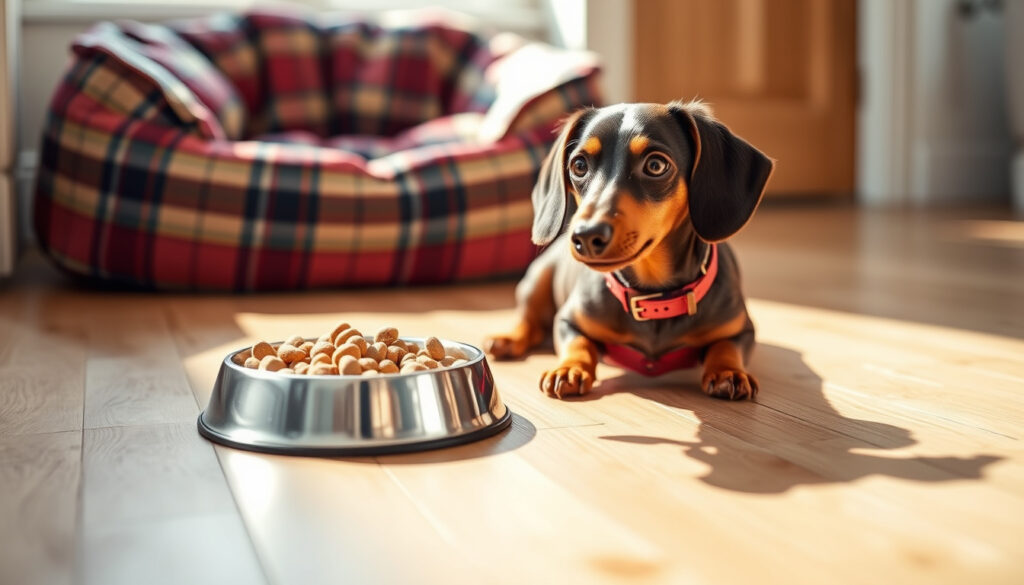
Mini Dachshund – Complete UK Breed Guide and Buying Tips
The Miniature Dachshund, often affectionately called the mini Dachshund or sausage dog in the UK, is a compact, long-bodied hound breed specifically bred to be smaller than the standard variety. According to The Kennel Club breed standard, the ideal weight for this miniature variety is 4.5 kg (10 lbs), with a maximum desired weight of 5 kg (11 lbs). Their distinctive silhouette and lively personality have made them a firm favourite among British households.
Bred originally as scaled-down hunting companions, these dogs possess a bold and defiant carriage that belies their small stature. While their portable size makes them suitable for modern living, potential owners must be fully aware of the breed’s specific health considerations, exercise needs, and temperament traits before committing to one.
Where to Find Mini Dachshund Puppies for Sale in the UK
Playful, loyal, stubborn; good with families but can be barky.
Height 13–18 cm, weight under 5 kg.
12–16 years (with good care).
£800–£2,500 depending on breeder and coat.
Trusted UK Breeders and Platforms for Mini Dachshund Puppies
Finding a reputable source is the first and most critical step. Reputable breeders, often listed on platforms like Pets4Homes, should introduce you to both parent dogs and let you see the puppy interacting with its mother in a home environment. Under UK law, breeders selling over three litters per year must hold a valid breeding licence.
Average Price Range for a Mini Dachshund in the UK
The cost of a Miniature Dachshund puppy in the UK typically ranges between £600 and £3,500, as reported by Waggel. This figure is heavily influenced by the breeder’s reputation, the puppy’s pedigree, and coat colour. Kennel Club registered puppies, which guarantee parental health testing, often command prices up to £1,450. In contrast, non-registered puppies average around £1,077, though verifying the breeder’s commitment to health testing is vital.
What to Look for When Choosing a Mini Dachshund Breeder
Always prioritise breeders registered with The Kennel Club to minimise the risk of hereditary diseases. Puppies should never leave their mother before eight weeks of age. Some breeders, particularly those partnered with Petplan, may offer four weeks of free dog insurance to help new owners get started.
Mini Dachshund vs Standard Dachshund: What’s the Difference?
Size and Weight Comparison
The most obvious difference lies in their physical dimensions. A Miniature Dachshund stands 13 – 18 cm at the shoulder, whereas a Standard Dachshund reaches 20 – 27 cm. In terms of ideal weight, the miniature should be around 4.5 kg, while the standard is significantly heavier at 9 – 12 kg. These figures reflect the ideal described in the Breed Standard; individual dogs may vary slightly.
Due to their long backs, both mini and standard Dachshunds are at high risk for Intervertebral Disc Disease (IVDD). Using a carefully fitted harness instead of a collar is strongly recommended to protect their spine, regardless of the dog’s size.
Temperament and Energy Levels
Both varieties share similar temperament traits: they are intelligent, lively, brave, and loyal—but can also be remarkably stubborn. The key practical difference lies in their exercise requirements. Miniature Dachshunds need roughly 20–30 minutes of daily exercise, whereas standard Dachshunds require up to an hour. Pets4Homes notes they are generally good with older children but may be snappy if play is too boisterous.
Which One Is Right for You?
The choice largely depends on your living space and lifestyle. Miniatures are excellent for smaller homes or flats due to their size. However, they can be vocal, requiring early and consistent training to manage barking. Standard Dachshunds, being larger, may need more space but generally share the same devoted and courageous nature.
Understanding the Coat Types: Smooth, Long, and Wirehaired
Smooth Haired Mini Dachshund Characteristics and Grooming
The Smooth Haired variety is the most recognisable and requires the least amount of grooming. Their short, dense coat is low-maintenance, making them an excellent choice for first-time owners. Despite the low grooming needs, they still benefit from regular handling and checks.
Long Haired Mini Dachshund: Maintenance and Shedding
The Long Haired Mini Dachshund sports a silky, wavy coat that requires more frequent brushing to prevent tangles and matting. This variety tends to shed more noticeably than the smooth-coated type. Regular grooming sessions not only keep their coat healthy but also serve as good bonding time.
If you are seeking a lower-maintenance option regarding grooming, the Smooth Haired variety is the easiest. However, regardless of coat type, ethical breeders test their stock for Retinal Degeneration (cord1). The Wirehaired variety has specific testing requirements, including screening for Lafora Disease, as outlined by the Dachshund Breed Council.
Wirehaired Mini Dachshund: Less Common but Distinctive
The Wirehaired Mini Dachshund is the rarest of the three varieties in the UK. It has a distinctive double coat with a harsh outer layer and a softer undercoat. This type requires hand-stripping or clipping a few times a year to maintain its texture and appearance.
Choosing the Best Harness for Your Mini Dachshund in the UK
Why Mini Dachshunds Need a Harness (Back Health)
The most significant health concern for this breed is Intervertebral Disc Disease (IVDD). A high-quality harness is not an accessory but a core preventative measure. It distributes pressure evenly across the chest, avoiding strain on the neck and vulnerable spine.
Top UK Harness Brands and Features
When selecting a harness, look for features such as padded chest plates, adjustable straps, and a Y-shaped front design that avoids restricting shoulder movement. Brands popular in the UK often cater specifically to the proportions of long-backed breeds, ensuring a secure and comfortable fit.
Never use a collar on a Mini Dachshund for regular walks. Pulling on a collar can exacerbate or trigger Intervertebral Disc Disease (IVDD). A well-fitted harness is a core preventative health measure for this breed, as supported by the British Veterinary Association.
How to Measure Your Mini Dachshund for a Harness
Accurate measurement is crucial. Measure around the deepest part of the chest (girth) and around the base of the neck. Consult the manufacturer’s size guide carefully, as sizing standards vary between brands. A properly fitted harness should be snug but allow two fingers to slide comfortably underneath.
Mini Dachshund Development Timeline
Understanding the key stages of growth helps owners provide the right care at the right time.
- 8–12 weeks: Puppy ready for new home; first vaccinations and socialisation begin.
- 4–6 months: Teething phase; basic obedience training should be introduced consistently.
- 1 year: Approximate adult size is reached; transition to adult maintenance food.
- 2–3 years: Fully mature temperament develops; training and habits solidify.
- 10+ years: Entering the senior stage; more frequent vet check-ups required, particularly for spinal health.
What We Know vs. What You Should Research Further
While much is documented about this breed, some aspects require individual investigation from prospective owners.
| Established Information | Information That Remains Unclear |
|---|---|
| Mini Dachshunds are highly prone to back problems (IVDD), making a harness essential. | The exact price can fluctuate widely based on breeder reputation, geographic location, and lineage. |
| They are officially recognised in three distinct coat types: Smooth, Long, and Wirehaired. | Temperament can vary significantly between lines; some individuals may be more nervous or barky than others. |
| The average lifespan is reliably documented as 12–16 years. | The Wirehaired variety is rarer and may have grooming needs and availability that differ from the more common types. |
Background and Popularity of the Mini Dachshund in the UK
The Miniature Dachshund is a downsized version of the standard Dachshund, a breed originally developed in Germany for hunting badgers. Their compact size allowed them to follow prey into burrows, showcasing a fearless and determined nature that they retain today.
In the UK, their popularity has surged dramatically, driven by their affectionate nature and suitability for smaller living spaces. The breed is officially recognised by The Kennel Club under the Hound group, and dedicated breeders continue to work towards maintaining the health and temperament standards. The Bella + Duke breed guide highlights that raw feeding can support joint health, although owners should always consult a vet for personalised nutritional advice.
What Owners and Experts Say About the Mini Dachshund
First-hand accounts and professional profiles offer vivid insight into daily life with this breed.
“Most common symptoms include: Barking, lots of barking, even more barking – rarely any biting.”
“Miniature Dachshunds are compact, noteworthy for their playful personality and unique ‘sausage dog’ silhouette.”
“Thinking of owning a Miniature Dachshund? Expert guide covers health issues, behavioural tips and everything you need.”
Is a Mini Dachshund Right for You?
Mini Dachshunds make wonderful, loyal companions for individuals and families who understand their specific needs. Their manageable size and big personality are hard to resist, but commitment to back health, consistent training, and proper socialisation is non-negotiable. Prospective owners should always verify breeder credentials and request clear health certifications for IVDD and other hereditary conditions.
For more guidance on canine health and diet, explore our guide on Can Dogs Eat Salmon – Vet-Approved Safety Guide. Additionally, ensuring your Mini Dachshund maintains a healthy weight is crucial for their spine; discover appropriate treat options in our Healthy Snacks – Best Options for Weight Loss, Kids & Cravings guide.
Frequently Asked Questions About Mini Dachshunds
Are Mini Dachshunds good with children?
Generally yes, but due to their small size, supervision with very young children is recommended to prevent back injuries from rough handling.
Do Mini Dachshunds bark a lot?
Yes, they are known for being vocal. Early training and socialisation can help manage excessive barking tendencies.
What is the best food for a Mini Dachshund?
High-quality, small-breed formula adult food is recommended. Consider incorporating joint supplements as they age and always consult your vet for dietary changes.
How much exercise does a Mini Dachshund need?
About 30–60 minutes of moderate daily walks is sufficient. Owners should avoid high jumps and stairs to protect the dog’s long back.
Can Mini Dachshunds be left alone?
They can suffer from separation anxiety if left alone for long periods. Crate training and gradually increasing alone time can help them adjust.
More related posts
 Myanna Buring
 Jay Cutler – Age, Career, and Net Worth Facts
 Angus Thongs and Perfect Snogging – Complete Movie and Book Guide
 Cane Corso – Upptäck Temperament, Pris, Storlek och Skötsel
 Christ Redeemer Brazil – Key Facts, Tickets & Visitor Tips
 Olympique de Mar eille v PSG Timeline – Full Head-to-Head Record
 Luke Littler Grand Slam Dart – Defend Title, World No.1
 Gaby Roslin – Biography, Age, Family and Career Facts