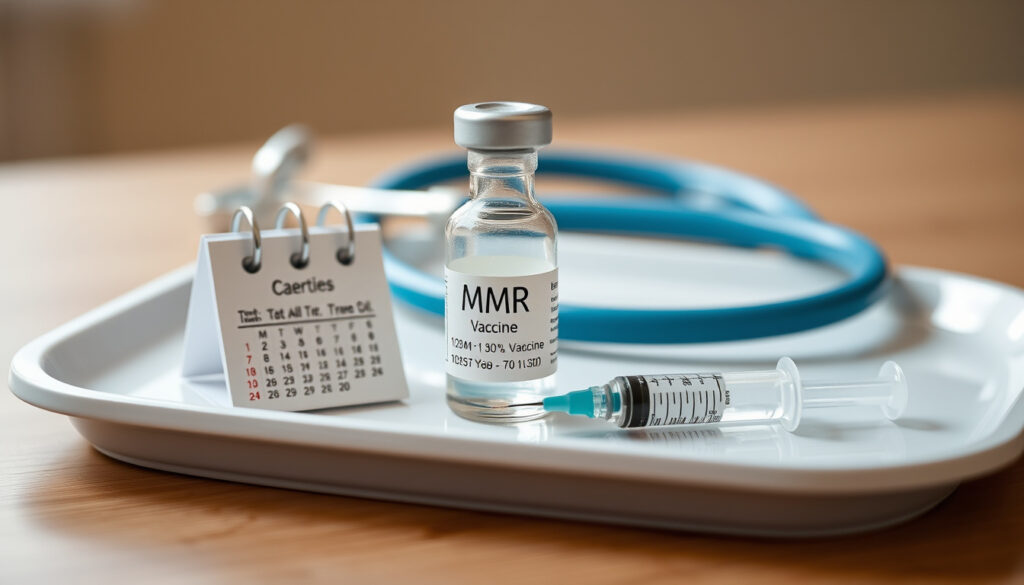
Mmr Vaccine – Complete Guide to Safety, Schedule, Side Effects
MMR Vaccine: Your Complete Guide to Protection
Navigating vaccinations can feel overwhelming, but understanding the facts is the first step. The MMR vaccine is a simple, safe, and highly effective way to protect against three serious viral infections. This guide provides a clear overview of the MMR vaccine for adults, covering everything from its schedule and side effects to its cost and availability.
We’ll break down what the vaccine is, who needs it, and what to expect, drawing on the latest official guidance from the NHS and UK health bodies.
What is the MMR Vaccine and What Does It Prevent?
The MMR vaccine is a combined immunisation that protects against three highly contagious viruses: measles, mumps, and rubella (also known as German measles). Before widespread vaccination, these diseases caused significant illness and complications. The vaccine works by stimulating the body’s immune system to produce antibodies without causing the diseases themselves.
Measles, Mumps, Rubella
Injection (Subcutaneous)
Sore arm, Fever, Mild Rash
Highly Effective (>95% after 2 doses)
While the routine schedule is for children, adults who missed their doses or require a booster for travel, work, or personal reasons can easily get vaccinated. The vaccine’s role in public health is to create herd immunity, protecting those who are too vulnerable to be vaccinated.
Who Needs the MMR Vaccine and When?
In the UK, the MMR vaccine is a routine part of childhood immunisation. However, many adults may not have received the full two-dose schedule or may not have evidence of immunity. You may need the vaccine if you were born after 1980 and have not had two doses, or if you are planning to travel to a country where these diseases are common.
What is the MMR Vaccine Schedule?
The historical childhood schedule involves the first dose at 12 months and the second at 3 years 4 months. It’s important to note that while the childhood schedule is changing to include varicella (chickenpox) in the MMRV vaccine from January 2026, this does not change the advice for adults. If you missed a dose as a child, you can catch up at any time.
I missed a dose, what should I do?
If you have not had the recommended two doses of MMR or lack evidence of immunity, you may be offered one or two doses depending on your circumstances. GPs, travel clinics, and some pharmacies can arrange this. It’s a simple process and the best way to ensure you are fully protected.
Is the MMR Vaccine Safe? Side Effects and Precautions
The MMR vaccine is very safe and well-tolerated. Most side effects are mild and short-lived, typically appearing days to weeks after vaccination. Serious reactions are rare. The most common adverse events include injection-site pain, fever, a mild rash, and swollen glands in the cheeks or neck. For more information on how vaccines are monitored, you can read about how vaccines work on the NHS website.
While rare, it’s important to be aware of the specific side effects for different age groups.
What are the MMR Vaccine Side Effects in Adults?
Adults can experience the same common side effects as children, but some are more frequent. Notably, joint pain and temporary arthritis occur more often in adults, especially in teenage or adult women who were not already immune to rubella.
Side effects such as fever, rash, and feeling generally unwell typically appear 7 to 11 days after vaccination. Swollen glands and joint aching may emerge later, around 2 to 3 weeks post-vaccination.
There are also important precautions. The MMR vaccine should not be given to individuals with serious immune system problems because it may cause a serious infection in that group. It is also generally avoided during pregnancy because it is a live vaccine. The UK Government guidance on MMR vaccination provides comprehensive details for healthcare professionals. To understand which groups are at risk, you can also review the CDC’s MMR vaccine information, which outlines contraindications clearly.
How Effective is the MMR Vaccine?
The MMR vaccine is exceptionally effective at preventing measles, mumps, and rubella. Two doses are highly effective, offering over 97% protection against measles and mumps. This high level of effectiveness is what makes it a crucial tool for achieving herd immunity and protecting the wider community. The World Health Organization highlights that vaccination is the most effective way to prevent measles and its complications.
Even in the rare case of a breakthrough infection, vaccinated individuals typically have a much milder illness and are less likely to experience severe complications.
MMR Vaccine for Adults: Do I Need It?
If you are an adult and unsure about your vaccination status, you probably need the MMR vaccine. The best way to find out is to check your personal health records or speak with your GP. If you have no record of vaccination or no evidence of immunity, the doctor will usually recommend you receive the vaccine. This is particularly important if you are travelling to areas with high rates of measles, mumps, or rubella.
If you’re unsure whether you need it, the NHS MMR vaccine guide offers a clear self-assessment tool and explains why it is important to protect yourself and others. Recent outbreaks in the UK have underscored the need for high vaccination coverage.
Accessing the MMR Vaccine: Cost and Availability
In the UK, the MMR vaccine is available free of charge on the NHS if you are eligible under the national schedule. This includes children and adults who have missed a dose. If you are not eligible for an NHS vaccination, you can pay for it at private travel clinics or pharmacies.
How Much Does the MMR Vaccine Cost?
NHS vaccination is often free when you are eligible under NHS criteria. For private vaccination, the price varies by provider, and the provided sources do not state a universal amount. It’s best to contact a private clinic directly for a quote. You can also visit Travel Health Pro for a list of yellow fever and travel health centres.
How Can I Book an MMR Vaccination Appointment?
Adults can usually book an MMR vaccination appointment through their GP surgery. In some regions, you can also visit a local pharmacy that offers vaccination services. It’s a quick and easy process—just call your GP or check online booking systems to arrange an appointment.
Timeline of MMR Vaccination
Understanding how long you’ve been protected can be useful. Here’s a brief timeline of how the vaccine has been used in the UK:
- 12-15 months: Routine first dose of MMR vaccine.
- 3-4 years: Second pre-school dose of MMR vaccine.
- Post-2019: UK guidance recommends anyone born after 1980 should have 2 doses; catch-up for older generations is available.
- 2023-2024: Surge in measles cases prompts public health warning and increased vaccine promotion campaigns.
What Do We Know and What Remains Uncertain?
We know definitively that the MMR vaccine is safe and highly effective in preventing three serious diseases. The mild side effects like fever and rash are common and temporary. The exact duration of immunity over decades without a booster is a subject of ongoing research, which is why you may occasionally see advice about boosters. While rare, the risk of specific serious side effects (like thrombocytopenic purpura) exists, which is why it’s important to have a risk-benefit discussion with your healthcare provider.
Context: The MMR Vaccine and Public Health
The MMR vaccine is a cornerstone of public health, aiming to eliminate these three highly contagious diseases. Herd immunity, achieved through high vaccination rates, protects vulnerable populations who cannot be vaccinated, such as newborns and those with immune deficiencies. It’s a collective effort that has saved countless lives. For more on the science behind this, you can refer to the British Medical Journal’s collection on vaccination.
Addressing common concerns and building trust in vaccine safety is just as important as the science itself. Public health bodies continue to monitor vaccine safety rigorously and communicate openly with the public to maintain confidence.
What Do the Official Sources Say?
Official UK guidance is clear on the importance of the MMR vaccine.
“The MMR vaccine is the combined measles, mumps, and rubella vaccine, and in the UK it is routinely given in childhood but is also used for adults who are not fully protected.”
NHS UK
“Most side effects are mild, short-lived, and appear days to weeks after vaccination; serious reactions are rare.”
UK Government Guidance
“Joint pain and temporary arthritis happen more often in adults, especially in teenage or adult women who were not already immune to rubella.”
UK Government Guidance
For those seeking to address specific worries, the NHS MMR vaccine Q&A page answers many common questions directly.
In summary, the MMR vaccine is a safe and highly effective way to protect against measles, mumps, and rubella. For adults, the practical rule is to check your vaccination status and receive 1 or 2 doses if you are not fully protected. Check your and your children’s vaccination records and book any missed doses. Consult with a healthcare provider for personalized advice on MMR vaccination and booster needs. For further reading, see MMR vaccine research.
Frequently Asked Questions
Can I get the MMR vaccine while pregnant?
No, it is a live vaccine and should be avoided during pregnancy.
What is the MMR vaccine full form?
Measles, Mumps, and Rubella.
How long does the MMR vaccine last?
Long-term, often considered lifelong, but a booster may be recommended in certain situations.
Is the MMR vaccine a live vaccine?
Yes.
Can the MMR vaccine cause autism?
No, multiple large-scale studies have found no link.
What is the MMR vaccine schedule for adults?
If you have not had 2 doses of MMR or do not have evidence of immunity, you may be offered 1 or 2 doses depending on your circumstances and clinical history.
What are the MMR vaccine side effects in adults?
Common side effects include sore arm, fever, mild rash, and swollen glands. Joint pain and temporary arthritis happen more often in adults, especially in teenage or adult women who were not already immune to rubella.
How effective is the MMR vaccine?
Two doses of the MMR vaccine are highly effective, with a 97%+ efficacy rate against measles and mumps.
What is the MMR vaccine price?
NHS vaccination is often free when you are eligible under NHS criteria. The supplied sources do not state a universal price for private vaccination.
Who should not get the MMR vaccine?
MMR should not be given to some people with serious immune system problems because it may cause a serious infection in that group. The vaccine is also generally avoided in pregnancy because it is a live vaccine.
More related posts
 Isle of Wight County Press – Latest News and Death Notices
 Nicola Roberts – Biography, Net Worth, and Relationship Status
 DJ Qualls – Movies, TV Shows, Net Worth, and Personal Life
 Chester Bennington – Life, Death, Family and Lasting Legacy
 Julie Walters – Biography, Health Update, and Iconic Roles
 Alan Ritchson – Biography, Height, Wife and Complete Career Guide
 Hannah Owo – Real Name, Age, OnlyFans, and UWU Voice
 Coffee Shops Near Me – Best Local Cafes Open Now