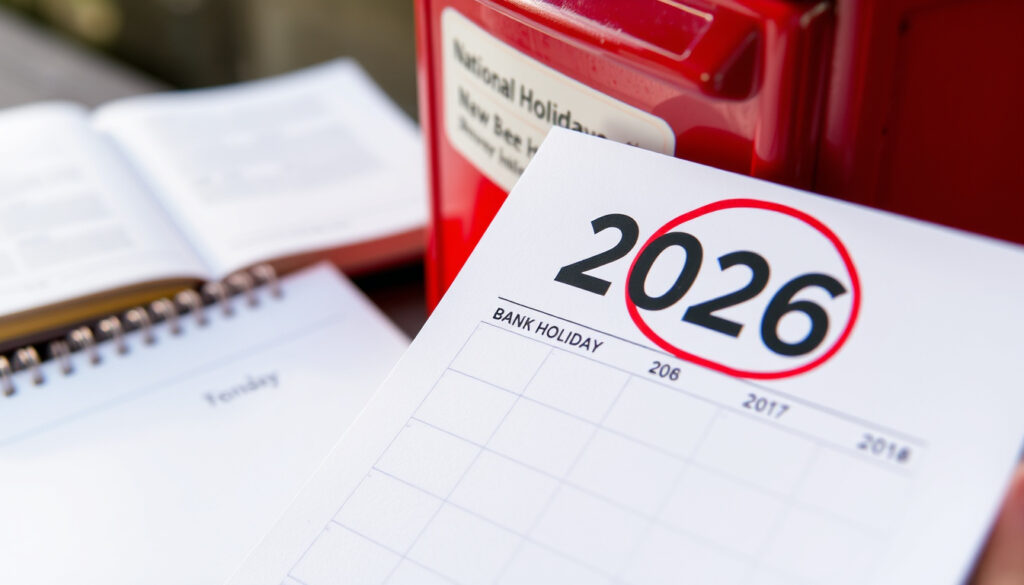
Is Today a Bank Holiday – UK Bank Holidays 2026 and 2027
Every day, millions of people across the United Kingdom ask the same question: is today a bank holiday? The answer depends not only on the calendar but also on where you live. Bank holiday dates are set nationally, but the rules differ significantly between England, Wales, Scotland, and Northern Ireland.
This guide provides a complete, fact-based reference for UK bank holidays in 2026 and 2027. It covers real-time checking methods, full annual lists for all four nations, explanations of regional differences, and answers to the most common questions about how bank holidays work.
All dates listed here are drawn from official government sources, including GOV.UK for England and Wales, mygov.scot for Scotland, and nidirect.gov.uk for Northern Ireland. Supplementary data from trusted calendar publishers has been cross-checked for consistency.
Is Today a Bank Holiday in the UK?
Check the official calendar below. If today’s date is listed for your nation, it is a bank holiday.
1 January – New Year’s Day
England & Wales: 8
Scotland: 9
Northern Ireland: 10
Key insights
- The UK has 8 permanent bank holidays in England and Wales, 9 in Scotland, and 10 in Northern Ireland.
- Bank holidays do not legally require all businesses to close; only banks are typically closed.
- If a bank holiday falls on a weekend, a substitute weekday (usually Monday) is designated.
- The spring bank holiday is always the last Monday in May.
- The August bank holiday is the last Monday in August for England and Wales, but the first Monday in August for Scotland.
- Easter Monday is a bank holiday in England, Wales, and Northern Ireland, but not in Scotland.
- Dates are proclaimed annually but follow fixed patterns, making future years predictable.
Snapshot facts table
| Year | Nation | Number of Bank Holidays | Next Holiday Date | Next Holiday Name |
|---|---|---|---|---|
| 2026 | England & Wales | 8 | 1 Jan | New Year’s Day |
| 2026 | Scotland | 9 | 1 Jan | New Year’s Day |
| 2026 | Northern Ireland | 10 | 1 Jan | New Year’s Day |
| 2027 | England & Wales | 8 | 1 Jan | New Year’s Day |
How to check if today is a bank holiday
The most reliable method is to consult the official UK government bank holiday calendar at GOV.UK. The page displays all dates for the current year and allows you to download them in CSV or ICS format. For a quick mobile check, bookmark the page on your phone.
Regional differences: England, Wales, Scotland, Northern Ireland
Today may be a bank holiday in one nation but not another. For example, St Patrick’s Day (17 March) is a bank holiday only in Northern Ireland, while 2 January and St Andrew’s Day (30 November) are observed only in Scotland. Easter Monday is a holiday in England, Wales, and Northern Ireland, but not in Scotland. Always check the specific list for your region.
UK Bank Holidays 2026 and 2027: Full Lists
All dates in this section are derived from the official GOV.UK bank holidays page, supplemented by mygov.scot for Scotland and nidirect.gov.uk for Northern Ireland. These sources are the authoritative legal references for bank holiday dates in each nation.
England and Wales bank holidays 2026
| Date | Day | Holiday |
|---|---|---|
| 1 January | Thursday | New Year’s Day |
| 3 April | Friday | Good Friday |
| 6 April | Monday | Easter Monday |
| 4 May | Monday | Early May bank holiday |
| 25 May | Monday | Spring bank holiday |
| 31 August | Monday | Summer bank holiday |
| 25 December | Friday | Christmas Day |
| 28 December | Monday | Boxing Day (substitute) |
Scotland bank holidays 2026
| Date | Day | Holiday |
|---|---|---|
| 1 January | Thursday | New Year’s Day |
| 2 January | Friday | 2 January |
| 3 April | Friday | Good Friday |
| 4 May | Monday | Early May bank holiday |
| 25 May | Monday | Spring bank holiday |
| 3 August | Monday | Summer bank holiday |
| 30 November | Tuesday | St Andrew’s Day |
| 25 December | Friday | Christmas Day |
| 28 December | Monday | Boxing Day (substitute) |
Northern Ireland bank holidays 2026
| Date | Day | Holiday |
|---|---|---|
| 1 January | Thursday | New Year’s Day |
| 17 March | Wednesday | St Patrick’s Day |
| 3 April | Friday | Good Friday |
| 6 April | Monday | Easter Monday |
| 4 May | Monday | Early May bank holiday |
| 25 May | Monday | Spring bank holiday |
| 12 July | Monday | Battle of the Boyne (Orangemen’s Day) |
| 31 August | Monday | Summer bank holiday |
| 25 December | Friday | Christmas Day |
| 28 December | Monday | Boxing Day (substitute) |
England and Wales bank holidays 2027
| Date | Day | Holiday |
|---|---|---|
| 1 January | Friday | New Year’s Day |
| 26 March | Friday | Good Friday |
| 29 March | Monday | Easter Monday |
| 3 May | Monday | Early May bank holiday |
| 31 May | Monday | Spring bank holiday |
| 30 August | Monday | Summer bank holiday |
| 27 December | Monday | Christmas Day (substitute) |
| 28 December | Tuesday | Boxing Day (substitute) |
Scotland bank holidays 2027
| Date | Day | Holiday |
|---|---|---|
| 1 January | Friday | New Year’s Day |
| 4 January | Monday | 2 January (substitute) |
| 26 March | Friday | Good Friday |
| 3 May | Monday | Early May bank holiday |
| 31 May | Monday | Spring bank holiday |
| 2 August | Monday | Summer bank holiday (estimated*) |
| 30 November | Tuesday | St Andrew’s Day |
| 27 December | Monday | Christmas Day (substitute) |
| 28 December | Tuesday | Boxing Day (substitute) |
*Estimated based on the pattern of the first Monday in August. Confirm via GOV.UK nearer the time.
Northern Ireland bank holidays 2027
| Date | Day | Holiday |
|---|---|---|
| 1 January | Friday | New Year’s Day |
| 17 March | Wednesday | St Patrick’s Day |
| 26 March | Friday | Good Friday |
| 29 March | Monday | Easter Monday |
| 3 May | Monday | Early May bank holiday |
| 31 May | Monday | Spring bank holiday |
| 12 July | Monday | Battle of the Boyne (Orangemen’s Day) |
| 30 August | Monday | Summer bank holiday |
| 27 December | Monday | Christmas Day (substitute) |
| 28 December | Tuesday | Boxing Day (substitute) |
Are Bank Holidays Different in Scotland, Wales, and Northern Ireland?
Yes. The main differences stem from historical and cultural observances unique to each nation. The total number of bank holidays per year is 8 for England and Wales, 9 for Scotland, and 10 for Northern Ireland.
Scotland special holidays: 2 January and St Andrew’s Day
Scotland observes 2 January as a bank holiday (with a substitute day if it falls on a weekend). St Andrew’s Day, on 30 November, is also a bank holiday in Scotland. Additionally, Scotland’s summer bank holiday falls on the first Monday of August, not the last Monday as in England and Wales. Unlike the other nations, Scotland does not observe Easter Monday as a bank holiday.
Northern Ireland special holidays: St Patrick’s Day and Battle of the Boyne
Northern Ireland has two additional bank holidays not observed elsewhere in the UK. St Patrick’s Day (17 March) and the Battle of the Boyne (Orangemen’s Day, 12 July) are both public holidays in the region. This brings the total to 10 bank holidays per year.
How to find local public holidays (not national bank holidays)
Local councils in England and Wales may designate additional public holidays for their areas, such as local bank holidays for specific towns or cities. These are not national bank holidays. To check local holidays, consult your local council’s website or use the GOV.UK tool that lists all dates including any local variations.
When Are the Spring Bank Holiday and Other Key Holidays?
Spring bank holiday date (last Monday in May)
The spring bank holiday is fixed as the last Monday in May. In 2026 it falls on 25 May, in 2027 on 31 May, and in 2028 on 29 May. This applies to all four nations of the UK.
Easter bank holidays (Good Friday and Easter Monday)
Easter moves each year because it is based on the lunar calendar. Good Friday and Easter Monday are bank holidays in England, Wales, and Northern Ireland. In Scotland, only Good Friday is a bank holiday; Easter Monday is not. For 2026, Good Friday is 3 April and Easter Monday is 6 April. For 2027, Good Friday is 26 March and Easter Monday is 29 March.
August bank holiday (England/Wales vs Scotland difference)
The summer bank holiday in August is different depending on where you live. In England and Wales, it is the last Monday of August (31 August 2026, 30 August 2027). In Scotland, it is the first Monday of August (3 August 2026, 2 August 2027 estimated). Northern Ireland uses the same date as England and Wales (last Monday of August).
Christmas and Boxing Day bank holidays
Christmas Day (25 December) and Boxing Day (26 December) are bank holidays across the UK. When either falls on a weekend, substitute weekdays are designated. For example, Christmas Day 2026 falls on a Friday, so Boxing Day is observed on Monday 28 December as a substitute. In 2027, Christmas Day is a Saturday and Boxing Day is a Sunday, so substitute holidays are Monday 27 December and Tuesday 28 December.
If a bank holiday falls on a Saturday or Sunday, the following Monday (or Tuesday if both weekend days are holidays) becomes the statutory bank holiday. This ensures workers still receive the holiday entitlement.
Timeline of Key Upcoming Bank Holiday Dates (2026–2027)
- 1 January 2026 – New Year’s Day (all nations)
- 3 April 2026 – Good Friday (all nations)
- 6 April 2026 – Easter Monday (England, Wales, Northern Ireland)
- 4 May 2026 – Early May bank holiday (all nations)
- 25 May 2026 – Spring bank holiday (all nations)
- 12 July 2026 – Battle of the Boyne (Northern Ireland only)
- 3 August 2026 – Summer bank holiday (Scotland only)
- 31 August 2026 – Summer bank holiday (England, Wales, Northern Ireland)
- 30 November 2026 – St Andrew’s Day (Scotland only)
- 25 December 2026 – Christmas Day (all nations)
For the complete 2027 timeline, refer to the full tables above.
What Is Certain and What Remains Uncertain About Bank Holiday Dates?
| Established Information | Information That Remains Unclear |
|---|---|
| All bank holiday dates for 2026 and 2027 are officially announced by the UK government and confirmed. No changes are expected. | Substitute days for weekend holidays may vary slightly if Royal proclamations change, though this is extremely rare. |
| Fixed-date holidays (1 January, 25 December, 26 December, 17 March, 12 July, 30 November) are set by law. | Local council public holidays may not coincide with national bank holidays. These are set locally and vary by area. |
| Movable holidays (Good Friday, Easter Monday, Early May, Spring, August) follow fixed patterns (e.g., last Monday in May). | For real-time “today” checks, users should verify with the official GOV.UK calendar, as this page provides static lists. |
What Is the Difference Between a Bank Holiday and a Public Holiday?
The term “bank holiday” originates from the Bank Holidays Act 1871, which designated specific days when banks could close. Over time, most bank holidays have become general public holidays. However, the two terms are not identical. In the UK, all bank holidays are public holidays, but some public holidays (such as Christmas Day) are common law holidays rather than statutory bank holidays. The practical effect is usually the same: most people have the day off.
Scotland and Northern Ireland have additional bank holidays because of their distinct legal and cultural histories. St Andrew’s Day was designated a bank holiday in Scotland under the St Andrew’s Day Bank Holiday (Scotland) Act 2007. St Patrick’s Day and the Battle of the Boyne are public holidays in Northern Ireland under the Bank Holidays (Northern Ireland) Act 1926.
Bank holidays remain popular for travel and tourism. The Visit London website, for instance, provides a public holiday calendar specifically aimed at visitors, noting which attractions may have altered opening hours.
What Do Official Sources Say About Bank Holidays?
GOV.UK is the definitive source for bank holiday dates across England and Wales. The page provides downloadable ICS files for calendar integration and lists dates for future years once proclaimed.
The Scottish Government’s mygov.scot website provides a separate list for Scotland, reflecting the nation’s unique holidays including 2 January, St Andrew’s Day, and the earlier August bank holiday.
The Bank of Ireland UK also publishes a list of Northern Ireland bank holidays, which serves as a secondary confirmation for NI dates.
Are You Ready for Upcoming Bank Holidays?
Bookmark the official GOV.UK calendar for the most current information. For 2027 dates, check after the government’s annual announcement, typically made in the autumn of the preceding year. You can also refer to the comprehensive tables above for your region.
Frequently Asked Questions
What is the difference between a bank holiday and a public holiday?
Bank holidays are days when banks and many businesses are closed by statute. Public holidays include bank holidays and other days like Christmas Day (common law). Most bank holidays are public holidays, but some public holidays may not be legal bank holidays in all regions.
Are all businesses closed on bank holidays?
No. Only banks are legally required to close. Other businesses such as shops and restaurants may choose to open or close. Many retailers open with reduced hours.
Do I get paid extra for working on a bank holiday?
There is no statutory right to extra pay for working on a bank holiday. It depends on your employment contract. Some employers offer time-and-a-half or a day in lieu.
What happens if a bank holiday falls on a weekend?
A substitute weekday (usually the following Monday) is designated as the bank holiday. For example, Christmas Day 2026 falls on a Friday, so the substitute bank holiday is 28 December 2026.
Are there any bank holidays that are only observed in certain parts of the UK?
Yes. Scotland has 2 January and St Andrew’s Day (30 November). Northern Ireland has St Patrick’s Day (17 March) and the Battle of the Boyne (12 July). England and Wales do not have these.
When is Mothers’ Day in the UK?
Mothering Sunday (Mother’s Day) is not a bank holiday. It falls on the fourth Sunday of Lent. In 2026 it is 15 March; in 2027 it is 7 March.
When is Fathers’ Day in the UK?
Father’s Day is the third Sunday of June. In 2026 it is 21 June; in 2027 it is 20 June. It is not a bank holiday.
Is International Women’s Day a bank holiday?
No. International Women’s Day (8 March) is not a bank holiday in the UK.
More related posts
 Oona Chaplin – Biography, Game of Thrones Role and Upcoming Avatar Movie
 Nicola Bulley – The Inquest Verdict and Key Facts
 Gemma Collins – Biography, Net Worth, Partner and Weight Loss
 James Milner – Age, Net Worth, Career and Retirement
 Lana Wolf – Bio, Career and Social Media Profile
 Lady Jane Grey – The Tragic Story of the Nine Days’ Queen
 Yvette Cooper – Biography, Family, Net Worth and Political Career
 Lenny Henry – Biography, Career Highlights and Personal Life