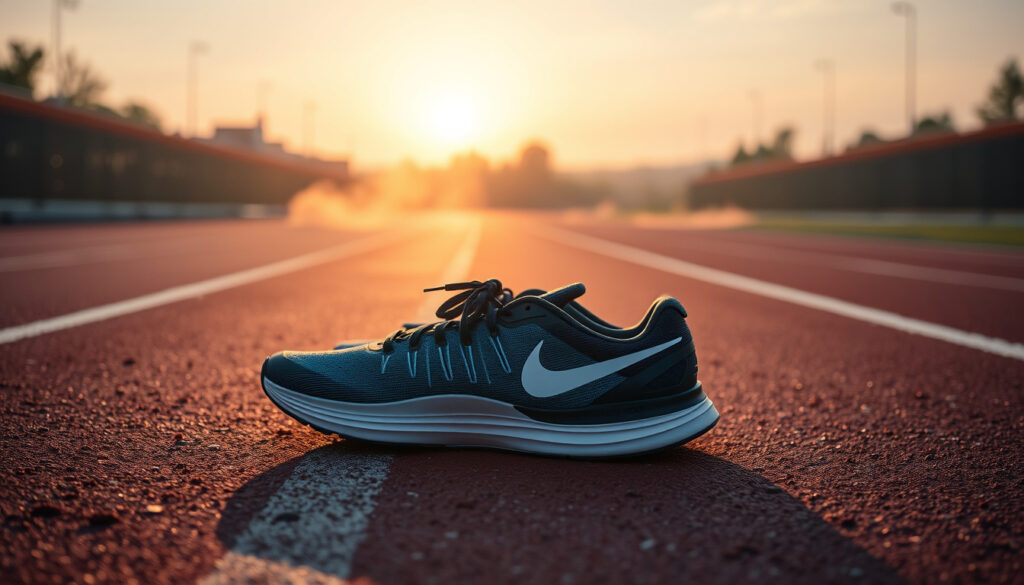
Nike Running Shoes – Best Models for 2025 Compared
Nike’s running shoe lineup in 2025 spans everything from budget-friendly daily trainers to premium carbon-fibre racers. The challenge for most runners is not a lack of options — it is knowing which model matches their specific needs. Pegasus, Vaporfly, and Alphafly represent three distinct use cases, and understanding the difference between them is the first step toward a smarter purchase.
According to multiple reviews published in early 2025, the clearest way to approach Nike’s range is by thinking about what kind of running you do most often. Everyday training, fast racing, and marathon-distance events each demand a different shoe geometry, foam density, and plate configuration. The right choice depends on your primary running goal, not the price tag alone.
This guide draws on expert reviews from Runners World, Active, and other independent sources to help you decide which Nike running shoe is right for your training, your budget, and your race-day ambitions.
Which Nike Running Shoe Is Best for Daily Training?
For runners who need a single shoe for easy miles, tempo runs, and everything in between, the Pegasus line remains the most consistently recommended option across expert reviews. The Pegasus 41 and the upcoming 42 are built around a combination of React foam and Zoom Air units, delivering a balanced ride that works for beginners and experienced runners alike.
Alphafly / Vaporfly
Pegasus 42
Invincible 3
Downshifter / Revolution
Reviewers at British News Desk describe the Pegasus as the most versatile choice for most runners, while TechRadar notes that its durability and reasonable price make it a strong option for those who want one shoe for varied training. For marathon racing, the Alphafly is the top recommendation, and for shorter, faster races, the Vaporfly is the preferred pick.
Key insights at a glance
- Nike Pegasus remains the best-selling daily trainer globally for 2025.
- Carbon plate shoes (Alphafly, Vaporfly) improve running economy by roughly 4% but carry race legality restrictions.
- ZoomX is Nike’s lightest and most responsive foam; React is more durable but heavier.
- Nike running shoes generally run about half a size small for wide-footed runners.
- Pegasus is the most balanced, general-purpose choice for daily miles and beginners.
- Vaporfly is lighter and faster for shorter races, with less cushioning than Alphafly.
- Alphafly offers the highest stack and most cushioning for marathon racing.
Quick-reference model comparison
| Model | Best For | Cushioning | Plate | Price Range |
|---|---|---|---|---|
| Pegasus 42 | Daily Training | React + Zoom Air | No | £114.95 |
| Vaporfly 3 | Marathon Racing | ZoomX | Carbon Fiber | £224.95 |
| Alphafly 3 | Elite Racing | ZoomX + Air Pods | Carbon Fiber | £284.95 |
| Invincible 3 | Easy / Long Runs | ZoomX (thick) | No | £159.95 |
| Downshifter 13 | Budget / Gym | Phylon | No | £59.95 |
Nike Vaporfly vs Alphafly vs Pegasus: Which Should You Buy?
These three models cover the vast majority of running needs, but they are not interchangeable. Choosing between them comes down to how you train, what distance you race, and how much you are willing to invest in speed.
Pegasus: the everyday workhorse
The Pegasus line is positioned as Nike’s daily trainer. It uses React foam combined with Zoom Air units for a responsive yet durable ride. Reviewers at RunRepeat and TechRadar highlight it as the safest starting point for runners who want one shoe that can handle easy runs, intervals, and even the occasional race. It is also the most affordable of the three, with a UK price around £114.95.
Vaporfly: built for speed
The Vaporfly 3 is designed for racing, with a full-length carbon fibre plate and ZoomX foam. Experts at Active and Tom’s Guide describe it as lighter and faster than the Alphafly, with less cushioning. It suits 5K to marathon distances when pace is the priority. UK pricing sits around £224.95.
Alphafly: maximum marathon cushioning
The Alphafly 3 is Nike’s premium marathon racer. It combines ZoomX foam with two Air Pods in the forefoot and a carbon fibre plate. Runners World calls it the most complete racing shoe Nike has ever made. It offers the highest stack height and most support for long-race use, priced at approximately £284.95 in the UK.
If you do most of your running on roads and want a single shoe for everything, start with the Pegasus. If you have a race coming up and want to maximise speed, the Vaporfly is the lighter option. If you are training for a marathon and want the most cushioning and support on race day, the Alphafly is the stronger pick.
What Is Nike ZoomX Technology and How Does It Compare to React?
ZoomX is Nike’s lightest and most responsive foam. It is used in the Vaporfly, Alphafly, and Invincible lines. According to British News Desk and Runners World, ZoomX delivers exceptional energy return, which is why it is the preferred foam for race-day shoes. The trade-off is durability: ZoomX tends to compress faster than React over high mileage.
React foam, used in the Pegasus and other daily trainers, is heavier but more durable. It provides a firmer, more consistent ride over many miles. The two foams serve different purposes: ZoomX for speed and performance, React for longevity and everyday training.
What is a carbon fibre plate?
A carbon fibre plate is a rigid insert embedded in the midsole of racing shoes like the Vaporfly and Alphafly. It acts as a lever, reducing energy loss at the toe-off phase of the gait cycle. Studies cited by running reviewers suggest it can improve running economy by around 4%.
Are carbon plate shoes legal in 2025?
World Athletics regulations require that any shoe used in competition must be available to all athletes for at least four months before race day. The current rules also limit stack height to 40 mm and restrict the use of multiple rigid plates. As of 2025, Nike’s Alphafly and Vaporfly comply with these rules, but runners should check with their local federation for amateur-level events, as some organisers may impose additional restrictions.
ZoomX is lighter, softer, and more responsive — ideal for racing. React is heavier, firmer, and more durable — better for daily training. The Pegasus uses a combination of React and Zoom Air, giving it a balanced feel that suits most runners.
Are Nike Running Shoes True to Size?
Fit varies across Nike’s lineup. Reviewers at British News Desk, TechRadar, and Men’s Health note that the Pegasus family is generally more accommodating for different foot shapes, while the Vaporfly and Alphafly have a narrower, more performance-oriented fit. Runners with wide feet often find that Nike’s racing shoes feel snug, and going up half a size is a common recommendation.
If foot shape or stability is a concern, the Pegasus is the safer starting point. It offers a roomier toe box and a more forgiving upper. For the Vaporfly and Alphafly, trying them on or ordering from a retailer with a good return policy is advisable, especially for runners who are between sizes.
Nike’s race-day shoes are more specialised and less forgiving than the Pegasus. If you have a wide foot or high instep, consider going up half a size in the Vaporfly or Alphafly. The Pegasus is generally true to size for most runners.
What Are the Best Budget Nike Running Shoes in 2025?
For budget-conscious buyers, the Pegasus is the most consistently recommended value choice among the models covered by expert reviewers. It delivers reliable cushioning, good durability, and a reasonable price point. The Downshifter 13 and Revolution lines are even cheaper, starting around £59.95, but they use less advanced foam and lack the responsiveness of the Pegasus.
Vaporfly and Alphafly sit firmly in premium-price territory. Multiple sources, including Active and Runners World, suggest that these shoes are worth the investment only if race-day performance is a priority. For everyday training at a lower cost, the Pegasus or even the Winflo are better choices.
UK buyers can find genuine Nike running shoes at Nike’s official site, at retailers like Sports Direct, and through specialist running stores. The authenticity of stock from third-party sellers is generally reliable, but checking the return policy and verifying the model number is a sensible precaution.
How Has Nike Running Shoe Technology Evolved?
Nike’s running shoe innovation has followed a clear trajectory over the past two decades, moving from air-based cushioning to foam-and-plate systems that maximise energy return.
- 2000: Nike Air technology becomes mainstream in running shoes.
- 2017: ZoomX foam is introduced with the Vaporfly 4%.
- 2019: The Alphafly prototype is used in the INEOS 1:59 Challenge.
- 2020: World Athletics bans prototype shoes and sets new regulations.
- 2023: Alphafly 3 is released with a streamlined upper.
- 2025: Pegasus 42 debuts with new ReactX foam.
What Is Known — and What Remains Unclear — About Nike’s Super Shoes?
The evidence for Nike’s carbon-plate shoes is strong in certain areas, but gaps remain in the research. The table below separates established facts from areas where the picture is less clear.
| Established information | Information that remains unclear |
|---|---|
| Nike Pegasus 42 is designed for daily training (confirmed by Nike). | Whether Alphafly 3 provides a significant benefit for runners slower than 3:30 in the marathon. |
| Carbon fibre plates provide a mechanical advantage in racing. | Long-term durability of ZoomX foam compared to React (user reports are mixed). |
| ZoomX foam is lighter than React foam. | Race legality of certain Nike super shoes in amateur events (check local federation rules). |
Why Does Nike Lead the Running Shoe Market?
Nike’s dominance in running shoes rests on a dual strategy: elite performance models for racing and mass-market accessible trainers for everyday use. The Vaporfly and Alphafly lines have reshaped the industry since 2017, pushing competitors to develop their own carbon-plate offerings. At the same time, the Pegasus remains one of the best-selling trainers globally, appealing to runners who want reliability without a premium price tag.
The carbon-plate super shoe trend has changed how runners think about speed, but it has also created a common mistake: buying a race shoe for daily training. The experts at British News Desk and Runners World advise matching the shoe to the use case, not the hype.
Looking ahead, the Pegasus 43 is expected in late 2025 with further ReactX refinements, and a new trail-focused ZoomX model (possibly the Zegama 2) is anticipated. Tighter World Athletics regulations on stack height and plate materials are also likely.
What Do Running Experts Say About Nike’s Lineup?
Independent reviewers and governing bodies have weighed in on Nike’s running shoes with a mix of praise and caution. The quotes below reflect the range of perspectives.
“The Alphafly 3 is the most complete racing shoe Nike has ever made.”
— Runners World
“World Athletics Rule 5.7: Shoes must be available to all athletes for four months before competition use.”
— World Athletics
“Nike.com product pages confirm specifications and pricing as of 2025.”
— Nike Official Site
Which Nike Running Shoe Is Right for You?
The best Nike running shoe depends on your primary use case. If you want one shoe for easy runs, workouts, and general mileage, choose the Pegasus. If you want a lighter racing shoe for speed-focused events and can accept less cushioning, the Vaporfly is the better fit. If your priority is marathon racing with maximum cushioning and support, the Alphafly is the strongest option. For a buying guide approach to other products, see our Black Cardigan – Cropped, Long and Chunky Buying Guide or our Australian Cricketer – All-Time Greats, Current Squad & 2025 Guide.
Frequently Asked Questions
Are Nike running shoes good for beginners?
Yes. The Nike Pegasus, Winflo, or Downshifter are excellent entry-point shoes with reliable cushioning and durability.
How long do Nike running shoes last?
Most Nike running shoes last 300-500 miles depending on foam type and runner weight. ZoomX shoes tend to break down slightly faster than React.
Can I use Nike racing shoes for daily training?
Not recommended. Racing shoes like Alphafly and Vaporfly have less durable foam and minimal outsole rubber, leading to faster wear.
What is the difference between Nike Structure and Airiton?
The Structure is a stability shoe with medial support; the Airiton is a neutral, budget-friendly trainer. They serve different foot types.
Do Nike running shoes run small?
Nike’s racing shoes (Vaporfly, Alphafly) tend to fit narrow. Many runners with wider feet prefer to go up half a size. The Pegasus is generally true to size.
What is the best Nike shoe for flat feet?
Runners with flat feet are better served by the Pegasus or Nike’s stability-focused lines, such as the Structure. The Vaporfly and Alphafly lack medial support.
Is the Nike Invincible good for long runs?
Yes. The Invincible 3 uses a thick layer of ZoomX foam and is designed for easy, long-distance runs at a comfortable pace.
Where can I buy genuine Nike running shoes in the UK?
Nike’s official website, Sports Direct, and specialist running retailers are reliable sources. Always check the return policy and model number.
Are Nike running shoes from Sports Direct genuine?
Sports Direct is an authorised Nike retailer, so the stock is generally genuine. As with any retailer, verifying the product upon arrival is a good practice.
What is the cheapest Nike running shoe that is still good?
The Downshifter 13, starting around £59.95, is the most affordable option. The Pegasus offers better cushioning and durability at a higher price point.
More related posts
 Hannah Montana – Cast, Episodes and Why the Show Ended
 Merritt Wever – Biography, Awards and Private Life
 Jacob Lofland – Biography, Age, Movies & Personal Life
 Zinedine Zidane – Biography, Coaching Status, and Key Facts
 Inbetweeners Will – The Actor, Quotes, and Character Analysis
 Sony WF-1000XM5 – UK Price, Fit Tips, and Where to Buy
 Jon Bon Jovi – Biography, Net Worth, Wife, Children and Tour 2024
 Cass Elliot – The Truth Behind the Death Myths and Her Lasting Legacy