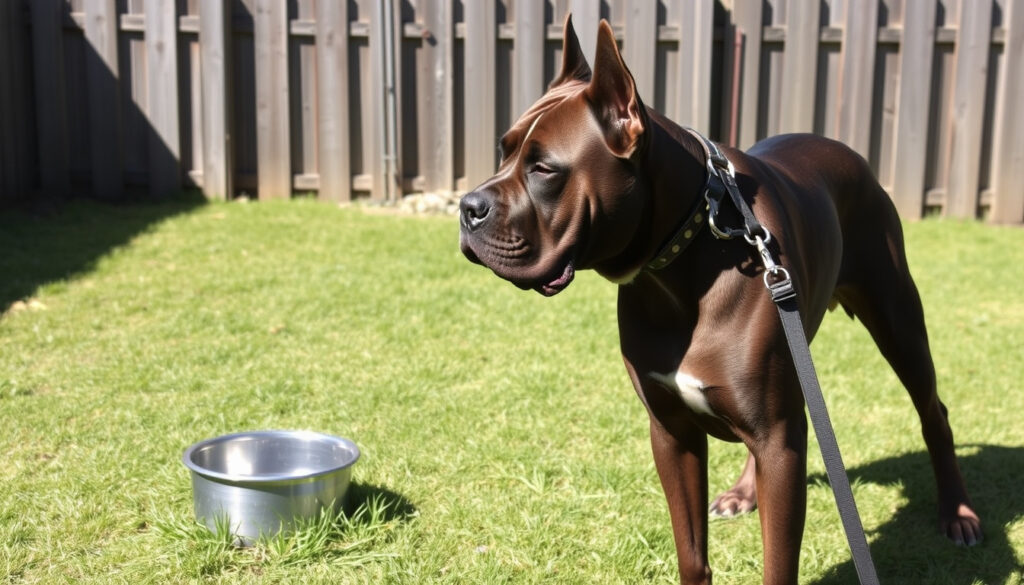
Cane Corso – Upptäck Temperament, Pris, Storlek och Skötsel
The Cane Corso is a large Italian mastiff breed with a lineage tracing back to ancient Roman war dogs. Known for its loyal and protective temperament, this powerful dog demands respect and requires an experienced handler. For anyone considering this breed, understanding its temperament, size, cost, and care needs is essential before making a commitment.
This article provides a fact-based overview of the Cane Corso, covering temperament, price, size, colors, and comparisons with similar breeds. All information is drawn from breed registries, veterinary organizations, and expert sources.
What is the Cane Corso Temperament Like?
Italy (Roman war dog lineage)
Large to giant (male 25-27.5 in, 99-110 lbs)
Loyal, protective, assertive
9-12 years
- The Cane Corso is a powerful guardian breed requiring experienced ownership.
- Temperament is loyal and protective but can become dominant without consistent training.
- The breed responds best to positive reinforcement, not harsh corrections.
- According to the American Temperament Test Society, 88.1% of Cane Corsos passed the temperament test.
- Price varies significantly by breeder, lineage, and location, typically ranging from $1,500 to $4,000 USD.
- The Cane Corso is often confused with the Presa Canario; key differences include origin and head shape.
- Early socialization and training are critical due to the breed’s size and strength.
| Attribute | Details |
|---|---|
| Origin | Italy |
| Height (male) | 25-27.5 inches (up to 28 inches) |
| Height (female) | 23.5-26 inches |
| Weight (male) | 99-110 lbs (some exceed 120-140 lbs) |
| Weight (female) | 88-100 lbs |
| Lifespan | 9-12 years |
| Temperament | Loyal, protective, intelligent, sensitive |
| Coat | Short, thick double coat |
| Colors | Black, gray, fawn, red, brindle; may have black or gray mask |
| Bite force (estimated) | Approximately 700 PSI |
| AKC recognition | 2010 |
| Exercise needs | Minimum 2 hours per day |
The Cane Corso is described by the American Kennel Club as smart, trainable, and of noble bearing. The breed is affectionate with family and good with children when properly raised, but can be dominant and willful if not trained consistently, according to Purina and PetMD. The breed is best suited for experienced owners with large, fenced yards and is not recommended for first-time dog owners, as noted by Pawlicy.
How Much Does a Cane Corso Cost? (Price & Purchase Guide)
The cost of a Cane Corso puppy typically ranges from $1,500 to $3,000 or more, depending on lineage, breeder reputation, and location. High-end show-quality puppies may exceed $4,000. These prices generally include initial veterinary care, vaccinations, and pedigree documentation. However, no official price data from breed registries is publicly available, so these figures reflect current market trends for rare, large guardian breeds.
Where to Find Cane Corso Puppies for Sale
Reputable sources include breeders affiliated with the Cane Corso Association of America (CCAA) or the AKC Marketplace. Buyers should be cautious of ads with very low prices, multiple puppies available immediately, or listings that lack pedigree documentation. Typical wait time for a puppy from a responsible breeder is three to six months.
What to Look for in a Breeder
Responsible breeders screen parent dogs for hip dysplasia, elbow dysplasia, and bloat, all of which are common in large breeds. Buyers should request documentation of health testing and pedigree. Red flags include breeders who cannot provide references or who pressure for a quick sale.
The Cane Corso is not a breed to purchase impulsively. Local breed-specific legislation (BSL) may restrict ownership in certain areas. Prospective owners should check local regulations and home insurance policies before acquiring a Cane Corso.
Cane Corso Size, Weight, and Colors
The Cane Corso is a large to giant breed with a muscular, athletic build. Males stand 25 to 27.5 inches tall at the shoulder and weigh 99 to 110 pounds, though some exceed 120 pounds. Females are slightly smaller, standing 23.5 to 26 inches and weighing 88 to 100 pounds. Anecdotal reports mention individual males like “Bruce Wayne” reaching 155 pounds.
Standard Colors and Coat
The breed has a short, thick double coat that comes in several recognized colors: black, black brindle, chestnut brindle, fawn, gray, gray brindle, and red. Many individuals have a black or gray mask on the face. The coat is low-maintenance and requires only weekly brushing and occasional baths, though shedding is moderate year-round with heavier periods in spring and fall.
Are Cane Corsos Naturally Muscular?
Yes. The Cane Corso is a molossian-type breed with a naturally powerful and muscular build. This physique is a result of its heritage as a working dog used for hunting boar and guarding livestock. Regular exercise and proper nutrition maintain muscle tone, but the breed’s structure is inherently athletic.
The Cane Corso’s average lifespan is 10 to 11 years, though some sources suggest under 10 years. According to the PDSA, this breed requires a minimum of two hours of active exercise per day, and monthly costs for food, vet care, and supplies are at least £80 (approximately $100 USD).
Cane Corso vs Presa Canario: What Are the Differences?
The Cane Corso and the Presa Canario are both molossian-type guardian dogs, but they differ in origin, temperament, and physical traits. The Cane Corso is generally more affectionate and family-oriented, while the Presa Canario is more independent and wary of strangers. The table below summarizes the key differences.
| Feature | Cane Corso | Presa Canario |
|---|---|---|
| Origin | Italy | Spain (Canary Islands) |
| Height | 23.5-27.5 inches | 22-26 inches |
| Weight | 88-110 lbs | 84-100 lbs (males up to 120+) |
| Temperament | Loyal, affectionate, sensitive, dominant | Bold, confident, protective, less affectionate with strangers |
| Training style | Responds to rewards; needs experienced handler | Requires firm, consistent leadership; more independent |
| Colors | Black, brindle, fawn, gray, red | Black, brindle, fawn, sometimes white markings |
| Bite force (estimated) | ~700 PSI | ~600-700 PSI |
| AKC recognition | 2010 | Not AKC-recognized (UKC recognized 2009) |
| Family fit | Good with children if raised properly | Protective; may be less tolerant of unrelated kids |
Both breeds share a history as working guardians, but the Cane Corso is descended from Roman war dogs and was used for hunting boar and guarding farms, while the Presa Canario originated in the Canary Islands as a cattle guardian and island protector. The Cane Corso is recognized by the Fédération Cynologique Internationale (FCI), while the Presa Canario is not AKC-recognized but is recognized by the United Kennel Club.
Neither breed is recommended for first-time dog owners. Both require consistent training, early socialization, and firm leadership. The Presa Canario may be less tolerant of unfamiliar children, while the Cane Corso generally adapts better to family life when properly raised.
How Did the Cane Corso Breed Develop Over Time?
- Ancient Rome: The Cane Corso is descended from Roman war dogs (Canis Pugnax), used in battle and for hunting.
- Middle Ages: The breed was used as a farm guardian and boar hunter throughout Italy.
- 20th Century: The breed nearly faced extinction after World War II, largely due to the mechanization of farming.
- 1970s-1980s: Italian farmers revived the breed; the Society of Amorati Cane Corso was formed in 1983.
- 1988: The first breed standard was established by ENCI, the Italian Kennel Club, and the breed first arrived in the United States.
- 2010: The Cane Corso received full AKC recognition in the United States.
The breed’s name comes from the Latin cohors (guardian or protector) and the Italian cane (dog), reflecting its historical role as a protector of property and livestock.
What Myths About the Cane Corso Are Actually True?
| Established Information | Information That Remains Unclear |
|---|---|
| The breed is naturally protective and requires early socialization. | Exact bite force PSI is not officially measured; estimates vary between 500 and 700 PSI. |
| Cane Corsos are large dogs with a strong bite force, estimated around 700 PSI based on mastiff breed data. | Aggression levels depend heavily on training and socialization, not solely genetics. |
| The breed is recognized by AKC, FCI, and UKC. | Price can vary significantly based on location, breeder reputation, and bloodline; no central pricing registry exists. |
| The Cane Corso has a short, thick double coat and sheds moderately. | Lifespan estimates range from under 10 years to 12 years, depending on the source. |
What Is the Cane Corso’s Role in Modern Life?
The Cane Corso is a mastiff-type breed from Italy, historically used for war, hunting, and guarding. Modern Cane Corsos are primarily companion animals, but they retain strong protective instincts. The breed requires firm, consistent training and is not recommended for first-time dog owners. Common health concerns include hip dysplasia, elbow dysplasia, bloat (gastric dilatation-volvulus), and eyelid abnormalities such as entropion or ectropion.
For active individuals or families with experience handling large guardian breeds, the Cane Corso can be a loyal and affectionate companion. The breed’s exercise needs are substantial, requiring at least two hours of active walking, play, or training every day, according to the Dogs Trust.
What Do Experts Say About the Cane Corso?
“Smart, trainable, and of noble bearing, the assertive and confident Cane Corso is a peerless protector.”
— AKC.org
“The Cane Corso is an Italian breed of mastiff. It is usually kept as a companion dog or guard dog.”
“Cane Corsos are a Mastiff type breed of dog, thought to have originally descended from a Roman war dog.”
— PDSA.org.uk
Is the Cane Corso the Right Dog for You?
The Cane Corso is a majestic, intelligent, and devoted companion for experienced owners who can meet its exercise, training, and space requirements. Before purchasing, check local breed-specific legislation, research reputable breeders or consider adoption via rescue organizations, and prepare for the breed’s high exercise needs and training commitment. For those seeking an adventure-ready companion, the Everest Base Camp Trek – Cost Duration Altitude and Itinerary offers a glimpse into the kind of outdoor lifestyle that suits this active breed.
Frequently Asked Questions About the Cane Corso
How long do Cane Corsos live?
The average lifespan of a Cane Corso is 9 to 12 years.
Are Cane Corsos good with children?
With proper socialization, they can be gentle with children, but supervision is always recommended due to their size.
Do Cane Corsos shed a lot?
They have a short double coat and shed moderately year-round, with heavier shedding in spring and fall.
What health issues are common in Cane Corsos?
Common issues include hip dysplasia, elbow dysplasia, bloat (GDV), and eyelid abnormalities (entropion/ectropion).
Are Cane Corsos aggressive?
They are naturally protective but not inherently aggressive. Aggression depends heavily on training, socialization, and environment.
How much exercise does a Cane Corso need?
At least two hours of active walking, play, or training every day is recommended.
What is the bite force of a Cane Corso?
The bite force is estimated at approximately 700 PSI, though no official measurement has been published.
Is the Cane Corso a good guard dog?
Yes. The breed is naturally protective and has a history as a guardian of property and livestock.
Can a Cane Corso live in an apartment?
No. This breed requires a large, fenced yard and is not suited for apartment living due to its size and exercise needs.
How much does a Cane Corso puppy cost?
Typically $1,500 to $3,000 or more, with show-quality puppies exceeding $4,000.
More related posts
 Adam Norris – Net Worth, Biography and Family Life
 Things to Do in New York – Free Attractions, Events & Nightlife
 Jane Fonda – Age, Net Worth, Movies, and Family Legacy
 Jordan Pickford – Height, Age, Wife and Career Stats
 Paris Berelc – Biography, Age, Career, and Relationships
 Shoe Insoles – Complete UK Guide for Flat Feet, Boots and Sizing
 Chace Crawford – Biography, Age, Height, and Personal Life
 Timothy Olyphant – Career, Wife, and Net Worth Explained