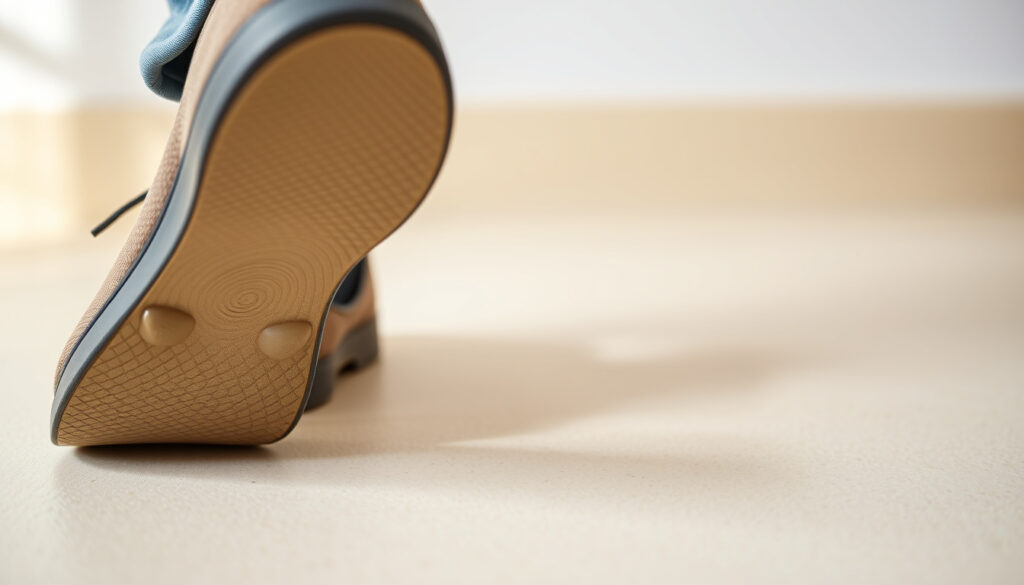
Shoes Insoles – Best for Plantar Fasciitis and Standing
With so many insoles on the market — from gel cushions to rigid orthotics — choosing the right pair can feel overwhelming. Whether you need relief from plantar fasciitis, better arch support for flat feet, or simply something to ease the strain of standing all day, the evidence points to one rule: look for firm arch support, a stable heel cup, and enough cushioning to reduce heel load rather than a very soft, flat insert.
The UK insole market is split between cheap comfort-focused products found at supermarkets and specialised support brands designed for specific foot conditions. Most online retailers compete on price and stock variety, leaving a gap for a buyer’s guide that translates medical conditions like flat feet and plantar fasciitis into clear product choices.
This guide breaks down the key factors — material, rigidity, fit, and retail options — so you can make an informed decision based on your foot type, activity, and budget.
What Are the Best Insoles for Plantar Fasciitis and Heel Pain?
At a glance: insole categories
- Condition-Specific Insoles – Designed for plantar fasciitis, flat feet, or high arches.
- Activity-Specific Insoles – Optimised for running, work boots, or dress shoes.
- Material-Specific Insoles – Gel, memory foam, cork, or carbon fibre.
- Budget & Retail-Specific Guides – Best insoles under £20, or best available at Boots.
Key insights for choosing insoles
- Insoles are not all the same: material and rigidity significantly affect performance for different foot types.
- A gel insole is primarily for shock absorption; a semi-rigid orthotic is for motion control and arch support.
- An insole that fits poorly can cause more harm than good — blisters and instability are common results.
- Many high-street insoles (Boots, Superdrug) are adequate for general comfort but lack the durability or support for chronic conditions.
- Over-the-counter insoles are generally not a substitute for custom orthotics when the condition is severe.
- Memory foam insoles soften the feel but offer little structural support for arch collapse.
Quick-reference facts
| Fact | Details |
|---|---|
| Typical lifespan | 6–12 months depending on usage and material |
| Plantar fasciitis needs | Rigid or semi-rigid arch support, not just cushioning |
| OTC vs custom | Store-bought insoles are not a substitute for custom orthotics in severe cases |
| Gel insoles best for | High-impact activities such as running |
| Memory foam best for | Low-impact standing when arch pain is not the main issue |
| Flat feet guidance | Supportive arch that is not painfully high |
| Standing all day | Cushioned arch support if no arch pain; orthotic support if pain exists |
| Cutting insoles | Trim-to-fit insoles should be cut to size; always remove factory insole first |
Semi-rigid or rigid orthotic arch supports with a heel cup are consistently recommended by multiple sources to reduce plantar fascia strain and heel pressure. The sole Active Medium is repeatedly highlighted as a strong option because it combines cushioning with a moldable arch.
How to Choose Insoles for Shoes That Are Too Big (or Need a Better Fit)
If your shoes are slightly too large, an insole can take up extra volume and improve fit. According to practical guidance from footwear specialists, you should first remove the factory insole and replace it with the new one, then check that the shoe still has enough room. Trim-to-fit insoles should be cut to size so they do not crowd the toe box or cause discomfort.
When fitting a replacement insert, it is essential to ensure the new insole sits flat and does not shift during wear. For wide shoes, look for insoles that are marked as suitable for wide fit or that come in multiple width options.
How to cut insoles to size
Most insoles designed for trimming come with a size guide printed on the underside. Trace your existing insole or foot outline onto the new one, then cut carefully with sharp scissors. Several consumer feedback notes mention that insoles labelled “no cutting required” are a bonus for convenience, as confirmed by one UK retailer.
Gel vs Memory Foam vs Orthotic Insoles: Which Is Best for Standing All Day?
The choice between gel, memory foam, and orthotic insoles depends largely on your main activity and any underlying foot condition. For standing all day, sources distinguish between people without foot problems and those with arch pain. Cushioned arch supports may suit general standing, but if you have plantar fasciitis or arch pain, orthotic arch support is usually preferred over a purely soft cushion.
Gel insoles
Gel insoles are primarily designed for shock absorption. They work well for high-impact activities like running, but they offer limited motion control. If your main need is to reduce heel strike impact, a gel insole can be effective.
Memory foam insoles
Memory foam provides a soft, conforming feel that many people find comfortable for low-impact standing. However, the material compresses over time and does not provide the structural support needed for flat feet or plantar fasciitis. Sources agree that memory foam is best for short-term comfort, not chronic foot conditions.
Orthotic insoles
Orthotic insoles — especially those with a semi-rigid or rigid structure — are designed to control foot motion and support the arch. The general buying rule, as laid out by specialist retailers, is: choose semirigid if this is your first orthotic and you want a balance of comfort and support; choose rigid if you already know you need stronger arch control. Avoid very flexible or very soft insoles if the goal is plantar fasciitis relief, because they do not control arch collapse well enough.
Semirigid insoles suit most first-time users, while rigid insoles are better when you already need strong arch control. Cushioned arch support is only recommended if your main issue is standing all day without major arch pain, according to insole guides.
Where to Buy Insoles UK: A Guide to Retailers (Boots, Superdrug, Tesco, Amazon)
UK shoppers have a wide range of options for buying insoles. High-street pharmacies like Boots and Superdrug stock entry-level insoles suitable for general comfort. Tesco and other supermarkets carry budget-friendly options that are fine for occasional use but may lack the durability or support for chronic conditions.
Amazon offers the widest selection, including brands such as Dr. Scholl’s, Superfeet, and Sole. One UK-focused guide from RunRepeat lists supportive walking shoes for plantar fasciitis such as the Brooks Glycerin GTS 22 and the ASICS Gel Excite 11, with the ASICS model called a best budget option at around £80. For specialized support, dedicated online stores like Shoe Insoles UK and Algeos carry condition-specific products for flat feet, fallen arches, and plantar fasciitis.
Many insoles sold at Boots, Superdrug, and Tesco are adequate for casual comfort but are not designed to treat chronic foot conditions. If you have persistent pain, sources recommend looking at specialist orthotic insoles rather than general-purpose cushioning.
How to Care for Your Insoles: Cleaning, Sweat Prevention, and Replacement Schedule
Most foam and gel insoles can be hand-washed with mild soap and water, then air-dried away from direct heat. Machine washing is generally not recommended unless the manufacturer explicitly allows it. For odour control, some insoles include antimicrobial coatings, but regular cleaning is the most effective method.
Sweat and smell can be reduced by choosing insoles with moisture-wicking top layers or by using foot powder. Replacing insoles every six to twelve months is standard, though heavy use or significant weight gain may shorten that timeframe.
What Is the Difference Between Insoles and Orthotics? (Clarity)
| Established information | Information that remains unclear |
|---|---|
| Gel insoles reduce impact shock. Arch support insoles help distribute pressure. Memory foam insoles soften the feel. | Whether a specific brand of insole “cures” plantar fasciitis is user-dependent. Individual foot mechanics and severity vary widely. |
| Over-the-counter insoles are generally not a substitute for custom orthotics in severe cases. | Clinical evidence for cheap store-brand insoles is often weak, and effectiveness depends on the individual’s foot structure. |
Why Do Insoles Matter? (Context)
The UK insole market is split between cheap, comfort-focused products (Tesco, Superdrug) and specialised support products (Scholl, Superfeet). Most online listings compete on price and stock-keeping units rather than expertise. This means a buyer’s guide that translates medical conditions into product recommendations fills a clear gap.
Research from multiple sources confirms that a well-chosen insole can reduce strain on the plantar fascia, improve stability during walking, and reduce pressure on sensitive areas. However, insoles alone are rarely a complete solution — footwear choice and activity level also play a major role.
What Do Experts and Reviews Say? (Sources & Quotes)
NHS guidance on foot health notes that over-the-counter insoles can help with common conditions such as plantar fasciitis, but they are not a replacement for professional medical advice. Podiatry specialists emphasise that arch type is a critical factor: a flat foot needs a different insole profile than a high-arched foot.
For plantar fasciitis, the best-supported designs are orthotic arch supports with a heel cup and semi-rigid or rigid structure. These help reduce strain on the plantar fascia and distribute pressure more evenly.
OutdoorGearLab
No cutting is a bonus.
Customer feedback on Shoe Insoles UK
What’s Next for Insole Technology? (Summary)
The trend points toward 3D-printed custom insoles and AI-based foot scanning apps that recommend insoles based on individual biomechanics. For now, the most practical advice remains simple: match the insole to your specific foot condition, check the fit, and replace it when it wears out. For more on supportive footwear, see our Brooks Adrenaline GTS 23 – Expert Review and Comparison and On Cloud Mens Trainers – Best UK Models, Sales and Waterproof Guide.
Frequently Asked Questions
Can I use insoles in high heels?
Yes, but you need specific low-profile or ¾-length insoles designed for high heels to avoid crowding the toe box.
Do insoles make shoes smaller?
They can reduce volume, so if your shoes are already tight, it may be uncomfortable. For shoes that are too big, they are ideal.
Are expensive insoles worth it?
Often yes, if they are made of durable materials (carbon fibre, high-density foam). A £10 gel insole is fine for casual, low-impact use.
Can I wash my shoe insoles?
Most foam and gel insoles can be hand-washed with mild soap and air-dried. Avoid machine washing unless specified.
How often should I replace insoles?
Typically every 6–12 months, depending on usage and material. Heavy use or significant weight gain may shorten the lifespan.
What are the best insoles for running?
Gel insoles are popular for impact absorption, but runners with arch issues may prefer a semi-rigid orthotic insole.
Do insoles help with flat feet and overpronation?
Yes, insoles with a supportive arch and stable heel cup can help control overpronation, but the arch should not be painfully high.
Are insoles from Screwfix any good?
Screwfix primarily stocks work boot insoles for general comfort and insulation. For medical conditions, a specialist orthotic is better.
More related posts
 Youtube Video to Mp3 – Complete Guide to Safe and Legal Conversion
 Manchester United FC vs Burnley FC Standings – League Positions & Results
 Percy Jackson – Complete Guide to Books Movies and Series
 Ruby Franke – The Full Story of Her Fall and Prison Sentence
 Shea Lacey – Age, Height, Stats & Family Background
 Marion Cotillard – Oscar Winner, Films and Private Life
 Are Chia Seeds Good For You – Benefits, Risks & Daily Intake
 Leylah Fernandez – Ranking, Parents, Age and Career Highlights