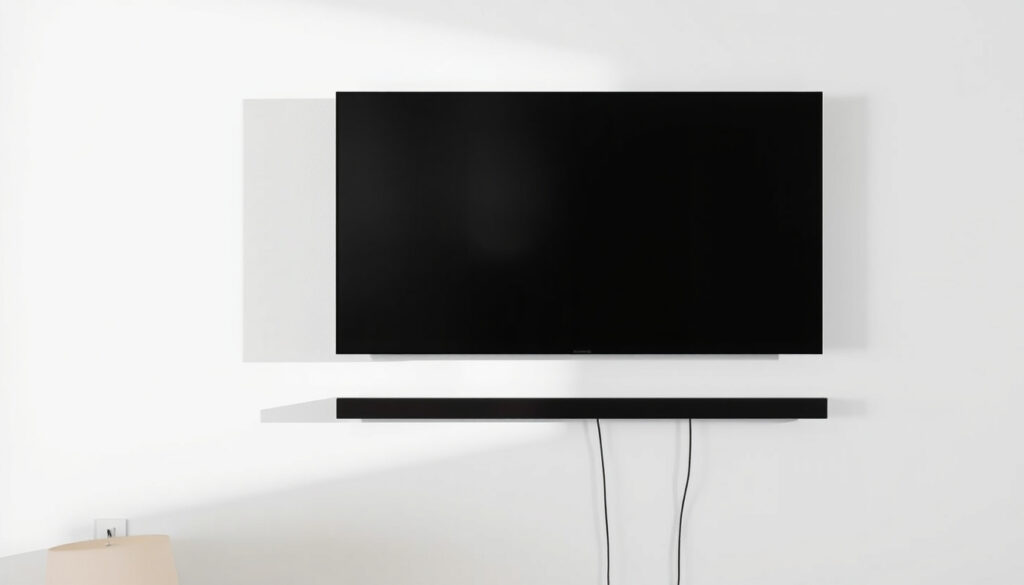
TV Wall Bracket – Find the Perfect Mount for Your TV
TV Wall Bracket Buying Guide: Sizes, Types & Where to Buy
Mounting a television on the wall has become a standard practice in modern homes, offering a sleek look and saving valuable floor space. The wall bracket is the single most critical component in this setup, as it must securely bridge the gap between the TV and the wall structure. Choosing the right one requires careful consideration of size, weight, and physical compatibility.
The market in 2025 presents a wide array of options, from simple fixed plates to sophisticated motorized arms. This guide covers the selection of the correct bracket type, an understanding of VESA mounting standards, and the best UK retailers for your purchase.
Whether you are setting up a 50-inch screen in a bedroom or a 65-inch home theater centerpiece, the following sections break down the technical specifications and purchase decisions to ensure a safe and stable installation.
What TV Wall Bracket Size Do I Need for My TV?
Learn how to match bracket size to your TV’s diagonal and VESA pattern. Covers 50, 55, and 65 inch TVs.
Fixed, tilting, swivel, and long arm. Know the pros and cons of each for your viewing angle and wall space.
Compare top UK retailers: Amazon, Screwfix, Argos, and specialist sites. Find the best deals and reliable brands.
Key factors for a secure installation: weight limits, wall anchors, and tool requirements. DIY or professional?
Several key insights guide the selection of a TV wall bracket. The correct bracket size depends on the TV diagonal size and VESA hole pattern, not just weight. Swivel brackets add flexibility but require adequate wall clearance and sturdy mounting. Long arm brackets help route cables and pull the TV away from the wall for easy access. Retailer prices vary: Screwfix offers value for basic brackets, while specialist sites offer premium full-motion mounts. Most TV brackets support standard VESA patterns up to 600x400mm for 55-65 inch TVs.
| TV Size | Typical VESA Range | Common Bracket Type | Weight Capacity Needed |
|---|---|---|---|
| 50 inch | 200×200 to 400×400 | Fixed or tilting | Up to 25 kg |
| 55 inch | 200×200 to 400×400 | Tilting or swivel | Up to 30 kg |
| 65 inch | 400×400 to 600×400 | Swivel or long arm | Up to 35 kg |
| 75 inch+ | 600×400+ | Heavy-duty full motion | Up to 50 kg |
What Types of TV Wall Brackets Are Available?
Swivel TV Wall Brackets Explained
Swivel brackets, also known as full-motion or articulating mounts, allow the TV to be pulled away from the wall and rotated horizontally. This makes them ideal for corner installations or rooms where the primary seating area is not directly opposite the TV. They require a sturdy wall anchor and more space behind the TV than fixed mounts.
Long Arm (Extending) TV Brackets
Long arm brackets are a subset of full-motion mounts designed to extend further from the wall, sometimes up to 30 inches or more. This extension is useful for routing cables behind the TV, accessing ports easily, or pulling the TV forward to create a more immersive viewing angle. They are particularly popular for larger TVs where access to the back panel is limited after installation.
Fixed vs Tilting vs Swivel: Which Is Best for You?
Fixed brackets keep the TV flat against the wall, offering the cleanest, most minimalist look. They are best suited for rooms where the TV is at eye level and glare is not an issue. Tilting brackets allow vertical angle adjustment, which is beneficial for TVs mounted high, such as above a fireplace, to reduce neck strain and improve the viewing angle. Swivel brackets offer the most flexibility but come at a higher cost and require more robust wall support. For more details on choosing the right movement, refer to the TV Mount Types and Best Uses guide.
For a TV placed at eye level in a dedicated home theater room, a fixed bracket is often the best choice. If the TV is mounted high, a tilting bracket improves the viewing angle. For corner installations or rooms with multiple seating areas, a full-motion swivel bracket provides the best flexibility.
Where Can I Buy the Best TV Wall Brackets?
Screwfix TV Wall Brackets: What to Look For
Screwfix is a popular choice for homeowners looking for reliable, affordable brackets. They stock brands like VonHaus and B-Tech, offering fixed, tilting, and some full-motion options. The main advantage is the convenience of same-day collection from a local branch, making it a practical option for urgent installations. You can browse their range on the Screwfix TV Brackets Category page.
Amazon UK TV Brackets: One For All and Other Brands
Amazon provides a vast selection of TV wall brackets, from budget-friendly no-name brands to established names like One For All. The platform’s user reviews can offer valuable insights into a product’s ease of installation and real-world performance. However, verifying the seller’s authenticity and checking the warranty information is important before making a purchase.
Specialist Retailers: Vogels, Invision, and Dedicated Sites
For premium or technically specific requirements, specialist retailers and manufacturers are often the best source. Vogels is a high-end European brand known for its sleek design and robust build quality, available at Vogels Official TV Bracket Store. Invision Technology is a UK-based manufacturer offering a wide range of mounts, including heavy-duty options, viewable at Invision Technology TV Mounts. Dedicated sites like TV-Wall-Brackets.co.uk claim to offer every bracket type, from small flat mounts to large cantilever arms.
Argos TV Wall Brackets: In-Store vs Online
Argos offers a convenient option for those who prefer to see a product before buying or need it immediately. Their selection focuses on mid-range brands and popular sizes. Stock levels can vary significantly between stores, so checking online availability before visiting is recommended. See their range at Argos TV Wall Brackets.
Regardless of where you buy, ensure the bracket is compatible with your wall type. Mounting into drywall without hitting a stud, or using incorrect anchors for a brick wall, can lead to failure. Always check the mount’s specifications for wall type suitability and use the appropriate fixing hardware.
If your TV has a non-standard VESA pattern, not all is lost. Some brackets support a wide range of patterns, or you can purchase a VESA adapter plate. This is sometimes necessary for specific LG or Samsung models. The official VESA Mounting Standards website provides definitive information on compatibility.
How Have TV Wall Brackets Evolved?
The design of TV wall brackets has changed significantly alongside television technology. In the 2000s, fixed flat brackets were introduced for heavy, bulky plasma TVs. As TVs became thinner in the 2010s, tilting and basic swivel brackets gained popularity. By 2015, full-motion articulating brackets with long arms were widely available. The 2020s brought ultra-slim, low-profile brackets designed for flush mounting OLED TVs. Looking ahead to 2025, smart brackets with integrated cable management and leveling features are becoming more common.
What Is Known and What Remains Uncertain About TV Brackets?
| Established Information | Information That Remains Unclear |
|---|---|
| TV wall brackets follow VESA international standards for mounting holes. | Exact weight capacity required depends on the specific TV model (check the manual). |
| Proper installation into wall studs or solid masonry ensures safety. | Compatibility with non-standard VESA patterns (some LG/Samsung models may need adapters). |
| Swivel brackets allow horizontal rotation; long arm brackets extend away from the wall. | Installation difficulty varies by wall type (plasterboard vs brick) and tools available. |
| Screwfix carries TV brackets from brands like VonHaus and B-Tech. | Retailer stock levels and pricing can change frequently. |
Why Does Choosing the Right TV Wall Bracket Matter?
Selecting the correct TV wall bracket is a decision that balances safety, aesthetics, and viewing comfort. A bracket that is not rated for the TV’s weight or not properly anchored to the wall poses a significant safety risk. Conversely, the right bracket enhances the viewing experience by placing the screen at the optimal height and angle, while also saving space and reducing cable clutter. The choice between a fixed, tilting, or full-motion mount directly affects the room’s layout and the flexibility of the viewing setup.
What Do Leading Brands and Retailers Say?
“Our brackets are designed for total safety and optimal viewing, with easy installation and innovative cable management.”
One For All official site
“High quality TV brackets that save space and are easy to install – free delivery included.”
Vogels product page
“Online specialist offering every bracket you need, from 15” flat mounts to 43” cantilever arms.”
TV-Wall-Brackets.co.uk site copy
What Is the Best Approach to Buying a TV Wall Bracket?
The best approach is to start with the TV itself. Identify its exact VESA pattern and net weight. Then, select the mount type (fixed, tilting, or full-motion) based on the room layout and viewing angles. Finally, purchase from a reputable retailer that offers a clear warranty and ensure the bracket is compatible with the wall type. By following these steps, you can achieve a secure and visually pleasing installation. For more details, refer to the VESA Compatibility and Weight Guidelines section of this guide.
Frequently Asked Questions
Can I install a TV wall bracket myself?
Yes, many brackets come with DIY instructions and hardware. However, for large TVs (65”+), plasterboard walls, or if you are unsure about wall material, professional installation is recommended. Always check the bracket’s weight rating and use a stud finder.
Are TV wall brackets safe for large TVs?
When properly installed and matched to the TV’s weight and VESA pattern, TV wall brackets are very safe. Look for UL or TÜV certification labels and ensure brackets are screwed into wall studs or solid masonry. Never exceed the maximum weight limit.
What is the best TV wall bracket for a 55 inch TV?
A tilting or swivel bracket with a 400×400 VESA rating and a weight capacity of at least 30 kg is generally recommended for a 55-inch TV. The best choice depends on the room layout and whether glare is a concern.
What is the difference between VESA 200×200 and 400×400?
The numbers refer to the distance between the mounting holes on the back of the TV in millimeters. 400×400 is a larger pattern used for bigger, heavier TVs, while 200×200 is common for smaller screens. The bracket must match the TV’s VESA pattern.
Do TV wall brackets come with all the necessary screws?
Most brackets include a hardware kit with screws and spacers for common TV models. However, it is important to check the included hardware against your TV’s requirements and your wall type before starting the installation.
Can I mount a TV on plasterboard?
Yes, but only if you use specialist plasterboard fixings or, ideally, fix into the wooden studs behind the plasterboard. Mounting a heavy TV directly into plasterboard alone is unsafe and can cause the bracket to fail.
What is the best TV wall bracket for a 65 inch TV?
A heavy-duty full-motion mount with a 400×400 or 600×400 VESA rating and a weight capacity of 50+ kg is the standard recommendation for a 65-inch TV. Always verify the mount is rated for your wall type.
How do I find the VESA pattern on my TV?
Measure the distance between the center of the mounting holes horizontally and vertically in millimeters. Alternatively, check the TV’s user manual or look up the model specifications online.
What is a long arm TV wall bracket used for?
A long arm bracket allows the TV to be pulled far from the wall, making it easier to access cables and ports. It is also useful for corner placements or to bring the TV closer to the seating area for a more immersive view.
Are cheap TV wall brackets reliable?
Price can reflect build quality and safety features. While some budget brackets may be adequate for smaller TVs, investing in a mid-range or premium bracket from a reputable brand is advisable for larger, heavier televisions to ensure long-term safety.
More related posts
 Cass Elliot – The Truth Behind the Death Myths and Her Lasting Legacy
 Sam Skarsgård – The Skarsgård Brother Who Chose Medicine Over Fame
 King Henry VIII – Life, Wives, and Reformation
 How to Cook Chicken Breast – 4 Methods for Perfect Juicy Results
 Shira Haas – Facts, Rumors and Career Milestones
 Jane Fonda – Age, Net Worth, Movies, and Family Legacy
 Alexej Manvelov – Biography, Career, and Personal Life