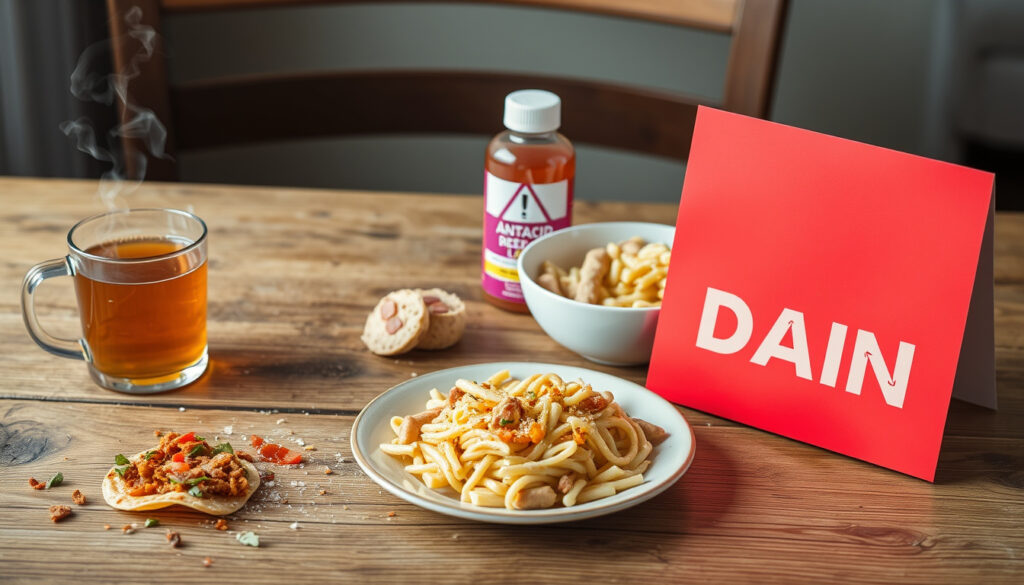
Stomach Pain After Eating – Causes, Remedies & Red Flags
Stomach pain after eating, medically termed postprandial abdominal pain, affects millions of people worldwide. This discomfort can range from mild bloating to sharp, debilitating cramps that interfere with daily life. Understanding the underlying causes, recognizing warning signs, and knowing when to seek medical help are essential for managing this common digestive complaint effectively.
The timing and nature of the pain often provide clues about its origin. Some people experience discomfort immediately after eating, while others feel symptoms hours later. The severity and duration vary widely depending on dietary choices, existing medical conditions, and individual digestive health. This guide examines the most common causes, evidence-based remedies, and critical signs that warrant professional evaluation.
Whether you experience occasional post-meal discomfort or persistent pain after every meal, this resource offers practical insights drawn from established medical sources to help you understand your symptoms and take appropriate action.
What Causes Stomach Pain After Eating?
Stomach pain after eating typically stems from digestive processes or underlying medical conditions. Identifying the specific trigger requires attention to timing, food types, and associated symptoms. According to the Cleveland Clinic, common causes include indigestion, food intolerances, acid reflux, gastritis, irritable bowel syndrome, gallstones, and peptic ulcers.
Food Intolerance
Antacids + Smaller Meals
Persistent Pain + Vomiting
Slow Eating + Fiber
Key insights from medical literature reveal patterns that help distinguish between temporary digestive upset and more serious conditions requiring intervention.
- Fatty and fried foods trigger symptoms in approximately 40% of reported cases, according to available clinical observations.
- About 20% of adults globally experience irritable bowel syndrome symptoms, including postprandial discomfort.
- Food intolerances, particularly lactose and gluten sensitivities, cause gradual symptom onset rather than immediate allergic reactions.
- Eating too quickly leads to stomach overload and distension, resulting in cramping and bloating.
- Stress and anxiety can slow digestion and exacerbate pain through gut-brain axis connections.
- Pregnancy-related hormonal changes frequently cause post-meal discomfort in all trimesters.
| Symptom | Likely Cause | Typical Duration | Recommended Action |
|---|---|---|---|
| Bloating + Nausea | Indigestion / Overeating | Hours | Dietary adjustment, rest |
| Burning after fatty meals | Acid Reflux (GERD) | Variable | Avoid triggers, antacids |
| Sharp pain 1-2 hours post-meal | Gallstones | Hours to days | Medical evaluation |
| Cramping + Altered bowel habits | Irritable Bowel Syndrome | Chronic | Diet modification, stress management |
| Burning + Fullness | Gastritis | Days to weeks | Avoid irritants, medication |
| Recurring upper pain | Peptic Ulcer | Recurrent | H. pylori testing, treatment |
| Gas + Bloating | Food Intolerance | Hours to days | Elimination diet |
| Diffuse discomfort | Constipation | Variable | Increase fiber, hydration |
Common Food Triggers
Certain foods commonly provoke digestive discomfort. Fatty and fried foods slow gastric emptying and can trigger acid reflux symptoms. Sugary foods and refined carbohydrates may cause rapid fermentation in the gut, leading to gas and bloating. Spicy foods, acidic items like tomatoes and citrus, and carbonated beverages can irritate the stomach lining in sensitive individuals.
Bread and other gluten-containing products cause reactions in people with celiac disease or non-celiac gluten sensitivity. Eating large portions or consuming meals too quickly overwhelms the digestive system, causing distension and cramping. Carbonated drinks introduce gas into the stomach, contributing to bloating and pressure discomfort.
Digestive Disorders
Gastroesophageal reflux disease involves weakness in the lower esophageal sphincter, allowing stomach acid to backwash into the esophagus. Fatty foods relax this sphincter further, exacerbating symptoms. Gastritis, inflammation of the stomach lining, results from irritants such as NSAIDs, bacterial infections, or prolonged use of certain medications.
Irritable bowel syndrome affects bowel motility and sensitivity, causing post-meal cramping, bloating, and changes in stool frequency or consistency. Peptic ulcers involve erosions in the stomach or duodenal lining, often caused by H. pylori infection or chronic NSAID use. These conditions typically produce recurring pain that may improve or worsen with eating, depending on ulcer location.
Other Medical Causes
Gallstones form in the gallbladder and can block bile ducts, particularly after fatty meals that require increased bile production. This produces intense pain in the upper right abdomen, typically within one to two hours of eating. Pancreatitis, inflammation of the pancreas, causes severe upper abdominal pain that may radiate to the back and worsens after eating.
Pregnancy introduces multiple factors contributing to digestive discomfort. Hormonal changes slow digestion, and physical pressure from the growing uterus affects stomach positioning and capacity. Anxiety and stress directly impact gut function through the enteric nervous system, potentially causing or worsening postprandial pain regardless of food consumed.
How to Relieve Stomach Pain After Eating?
Most cases of mild stomach pain after eating respond well to home management strategies. The Cleveland Clinic recommends focusing on easing digestion and reducing stomach irritation through lifestyle modifications and targeted remedies.
Immediate Remedies
Several approaches provide quick relief for post-meal discomfort. Ginger tea effectively reduces nausea and supports digestion. Chamomile and peppermint teas help calm stomach spasms and reduce gas. Applying gentle heat to the abdomen through a warm pad or bath relaxes abdominal muscles and may ease cramping.
Resting in an upright position for 20 to 30 minutes after eating supports digestion by using gravity to keep stomach contents down. Over-the-counter products like antacids can neutralize stomach acid for quick relief, while bismuth subsalicylate coats the stomach lining. Acetaminophen may help manage pain, though anti-inflammatory medications like ibuprofen should be avoided if ulcers are suspected.
Sipping room-temperature water or clear fluids throughout the day supports digestive function. Avoid drinking large volumes during meals, as this can dilute digestive enzymes and slow digestion.
Dietary Adjustments
Modifying eating habits often prevents or reduces symptoms significantly. Eating smaller, more frequent meals puts less strain on the digestive system. Chewing food thoroughly improves the initial stages of digestion and reduces swallowed air that contributes to bloating.
The BRAT diet (bananas, rice, applesauce, toast) provides easily digestible foods suitable during episodes of digestive upset. Identifying and avoiding specific trigger foods—such as dairy for lactose-intolerant individuals or high-fat items for those with reflux—can dramatically improve symptoms. Limiting caffeine, alcohol, and carbonated beverages also helps reduce irritation.
Lifestyle Changes
Long-term prevention involves consistent habits that support digestive health. Waiting at least two to three hours between eating and lying down gives the stomach adequate time to empty. Managing stress through yoga, meditation, or breathing exercises addresses the gut-brain connection that can trigger or worsen symptoms.
Regular physical activity supports healthy bowel motility and reduces bloating. Maintaining adequate fiber intake (while increasing it gradually to avoid gas) and hydration promotes regular bowel movements. For those with anxiety-related digestive symptoms, addressing underlying stress often resolves post-meal discomfort entirely.
When Should You Worry About Stomach Pain After Eating?
While occasional stomach pain after eating usually resolves without intervention, certain symptoms indicate potentially serious conditions requiring medical evaluation. According to medical guidelines, distinguishing between routine digestive upset and conditions needing treatment protects your health while avoiding unnecessary worry.
Red Flag Symptoms
Certain symptoms demand prompt medical attention. Severe or sharp pain that worsens over time, or pain that radiates to other areas like the chest, back, or shoulders, may indicate appendicitis, pancreatitis, or cardiac events. Persistent vomiting that continues for more than a few hours risks dehydration and may signal obstruction or infection.
Blood appearing in stool or vomit represents a serious symptom requiring immediate evaluation. Unexplained weight loss, fever, jaundice (yellowing of skin or eyes), or signs of pregnancy complications should prompt urgent medical consultation. These findings suggest conditions ranging from internal bleeding to cancer or severe infection.
When to See a Doctor
Recurrent pain that consistently follows meals warrants professional assessment. Conditions like ulcers, gallstones, and gastritis often require specific testing for proper diagnosis. H. pylori infection, for instance, requires breath or stool testing followed by antibiotic treatment if present.
Endoscopy allows direct visualization of the esophagus, stomach, and duodenum to identify ulcers, inflammation, or other abnormalities. Food intolerance testing through elimination diets or laboratory panels helps identify specific triggers. Medical evaluation also rules out more serious conditions and establishes appropriate treatment plans.
Intense, localized abdominal pain; persistent vomiting with inability to keep fluids down; black, tarry, or bloody stools; high fever with abdominal pain; or sudden severe pain that peaks within minutes.
Why Does Stomach Pain After Eating Happen in Specific Cases?
Certain populations and situations present unique patterns of postprandial discomfort. Understanding these specific contexts helps tailor management strategies and set appropriate expectations for symptom patterns.
Pregnancy-Related Pain
Digestive changes during pregnancy are extremely common across all trimesters. Progesterone slows gastric emptying and relaxes the esophageal sphincter, contributing to reflux and bloating. The expanding uterus physically displaces stomach organs and increases intra-abdominal pressure. These changes make pregnant individuals more susceptible to indigestion, reflux, and feelings of fullness after relatively normal meals.
While pregnancy-related digestive discomfort is typically benign, sudden severe abdominal pain during pregnancy requires immediate obstetric evaluation to rule out conditions like placental abruption or preeclampsia complications. Most manageable symptoms respond well to smaller meals, avoiding lying down immediately after eating, and approved antacids.
Stress and Anxiety Links
The gut-brain axis creates direct communication between emotional centers and digestive function. Anxiety and stress trigger release of cortisol and other hormones that alter gut motility, increase sensitivity to digestive sensations, and can cause inflammation. This connection explains why some people experience stomach pain after eating even when the food itself is well-tolerated.
Managing anxiety often resolves or significantly improves related digestive symptoms. Cognitive behavioral therapy, regular exercise, adequate sleep, and stress-reduction techniques address underlying triggers rather than just symptoms. In some cases, anxiety medication may help, though this should be discussed with a healthcare provider considering potential medication side effects.
Upper Stomach Pain After Eating
Pain in the upper abdomen after eating commonly relates to conditions affecting the stomach, esophagus, or duodenum. Acid reflux typically produces burning pain that may travel upward toward the throat. Gastritis causes gnawing or burning sensations often worsened by eating, particularly with irritating foods.
Duodenal ulcers frequently improve with eating (unlike stomach ulcers, which may worsen with food), then recur several hours later when the stomach empties. Pancreatic conditions cause deep, penetrating pain that may radiate backward and often worsens after meals. Gallbladder pain typicallylocalizes to the upper right abdomen and follows fatty food consumption.
How Long Does Stomach Pain After Eating Last?
The duration of stomach pain after eating depends heavily on the underlying cause. Understanding typical timelines helps set expectations and determine when professional evaluation becomes necessary.
- Immediate onset (0-30 minutes): Gas buildup from carbonated beverages, rapid eating, or reflux symptoms typically resolves within minutes to hours with positional changes or over-the-counter remedies.
- Short-term (30 minutes to 2 hours): Indigestion from overeating or trigger foods usually improves as the stomach processes contents. Gallbladder attacks often peak within this window after fatty meals.
- Moderate duration (2-4 hours): Food intolerance symptoms commonly persist through this timeframe as undigested materials ferment or irritate the intestinal lining.
- Extended (days to weeks): Gastritis, peptic ulcers, or ongoing IBS flares produce symptoms lasting significantly longer and often require intervention to resolve.
- Chronic patterns: Conditions like IBS, functional dyspepsia, or ongoing food sensitivities create recurring patterns that persist without management changes.
Keeping a food and symptom diary helps identify patterns between specific foods and symptom timing. Record what you eat, when, and any symptoms experienced along with their duration and intensity.
What to Know About Stomach Pain After Eating?
Understanding which information is well-established versus which remains uncertain helps readers approach their symptoms appropriately without unnecessary alarm or false reassurance.
Established Information
- Dietary triggers commonly provoke symptoms
- Food intolerances cause gradual, not immediate, reactions
- Stress affects gut function through established pathways
- Pregnancy hormones reliably alter digestion
- Some symptoms require prompt medical evaluation
- Dietary modification often reduces symptoms
Information That Remains Unclear
- Precise mechanisms in functional disorders vary between individuals
- Why some foods trigger symptoms in one person but not another
- Optimal duration of elimination diets for diagnosis
- Role of gut microbiome in symptom generation
- Whether mild chronic symptoms indicate future disease risk
This information provides general guidance and should not replace professional medical evaluation. Individual circumstances vary significantly, and only a qualified healthcare provider can assess your specific situation, order appropriate testing, and recommend treatment tailored to your needs.
Understanding the Science Behind Postprandial Pain
Postprandial abdominal pain results from complex interactions between food components, digestive enzymes, nerve signaling, and muscular contractions. When food enters the stomach, mechanical and chemical receptors trigger peristalsis—the wave-like muscle contractions that move contents through the digestive tract.
In response to stretching and chemical stimuli, the stomach releases hydrochloric acid and pepsin for protein digestion. Certain foods, particularly fats, significantly delay gastric emptying, prolonging time food remains in the stomach and increasing opportunity for discomfort. The enteric nervous system, sometimes called the “second brain,” coordinates these responses and communicates with the central nervous system.
The heat therapy approach works partly by relaxing smooth muscle tissue and reducing visceral hypersensitivity. Research on gut-brain interactions continues to reveal how stress, anxiety, and emotional states influence digestive function and symptom perception.
What Experts Say About Postprandial Digestive Discomfort
“Abdominal pain after eating can stem from a wide range of conditions, from simple indigestion to serious inflammatory or infectious diseases. The key is recognizing patterns and red flags that distinguish benign cases from those requiring intervention.”
“Most cases of postprandial discomfort respond well to conservative management including dietary modification, stress reduction, and appropriate over-the-counter products. However, persistent or severe symptoms warrant professional evaluation to rule out treatable conditions.”
— Crystal Pharma Medical Resources
Key Takeaways
Stomach pain after eating commonly results from dietary triggers, food intolerances, or conditions like acid reflux and IBS. Most mild cases improve with smaller meals, avoiding known triggers, and supportive measures such as ginger tea, heat application, and adequate rest. Severe, persistent, or recurring symptoms—particularly those accompanied by vomiting, bleeding, weight loss, or fever—require medical evaluation to identify underlying conditions and appropriate treatment.
Frequently Asked Questions
Can anxiety cause stomach pain after eating?
Yes. The gut-brain connection means anxiety triggers hormone release that alters digestion, increases gut sensitivity, and can cause or worsen post-meal pain even when food is not the direct cause. Managing anxiety often improves digestive symptoms.
How long does stomach pain after eating typically last?
Mild indigestion usually resolves within hours with home care. Pain related to gallstones or food intolerances may last several hours. Chronic conditions like IBS or ulcers cause ongoing or recurring symptoms without treatment.
What foods commonly cause stomach pain after eating?
Fatty and fried foods, spicy items, acidic foods like tomatoes and citrus, carbonated beverages, dairy products (for lactose-intolerant individuals), and gluten-containing grains are frequent triggers.
Is stomach pain after eating ever serious?
While most cases are benign, severe pain, persistent vomiting, blood in stool or vomit, unexplained weight loss, or fever may indicate serious conditions requiring prompt medical evaluation.
Can pregnancy cause stomach pain after eating?
Yes. Pregnancy hormones slow digestion and the growing uterus increases abdominal pressure, making reflux, bloating, and discomfort after meals common throughout pregnancy.
When should I see a doctor for stomach pain after eating?
Schedule an appointment if pain recurs after multiple meals, worsens over time, or significantly impacts daily activities. Seek immediate care for severe acute pain, vomiting that won’t stop, or any signs of internal bleeding.
Does heat therapy help stomach pain after eating?
Applying warmth to the abdomen can relax muscles, reduce cramping, and provide comfort for mild post-meal discomfort. This approach works best alongside dietary modifications and appropriate rest.
More related posts
 Ayrton Senna – Biography, Crash, Helmet and Legacy
 Advanced Supply Chain Group Ltd – How to Verify Legitimacy
 Keri Russell – Biography, Movies, Career, and 2026 Updates
 Shona McGarty – Age, Relationship and EastEnders Career
 Fiona Phillips – Her Alzheimer’s Diagnosis, Book, and Advocacy
 Ellie Taylor – Biography, Age, Husband and Career
 Alexis Warr – Biography, Career, and Key Facts
 Side By Side Maps – Compare Historic and Modern Maps Online