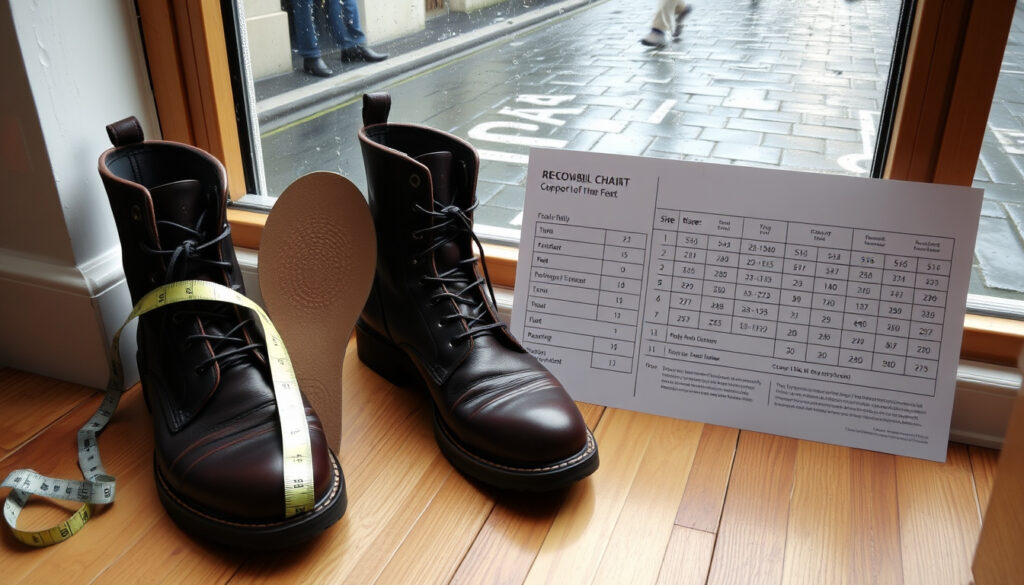
Shoe Insoles – Complete UK Guide for Flat Feet, Boots and Sizing
The right shoe insole can mean the difference between a comfortable day on your feet and one filled with aches. For anyone in the UK searching for better support, whether for flat feet, boots, or shoes that are too big, understanding the differences between gel, memory foam, and orthotic insoles is essential. This guide breaks down the best types for your needs, where to buy them in the UK, and how often they should be replaced.
What are the best shoe insoles for flat feet and arch support?
For flat feet, the primary goal of an insole is to provide structural support and alignment. This often means choosing an orthotic or arch-support design over simple cushioning. Based on expert guidance for UK buyers, the strongest recommendation is to look for insoles with a firm midsole and a stable chassis, rather than relying on soft cushioning alone.
Here is a quick overview of the four main insole types you will encounter in UK shops.
Best for: High impact, standing all day, tired feet.
Notable brand: Dr. Scholl’s, Scholl Gel Activ.
Best for: Flat feet, plantar fasciitis, overpronation.
Notable brand: FootActive, Superfeet.
Best for: Sizing down, heel slippage, loose boots.
Notable brand: Shoe Insoles.co.uk specific fills.
Best for: Low-profile shoes, heels, formal wear.
Notable brand: Dr. Scholl’s Thin Insoles.
Several key points emerge from the research on UK consumer habits and expert advice. These insights should guide your decision.
- UK shoppers strongly prioritise NHS or doctor endorsement, as seen with brands like FootActive and Dr. Scholl’s.
- Memory foam loses structural support faster than gel in high-activity insoles.
- Most over-the-counter insoles last 3–6 months, while custom orthotics can last 1–3 years.
- For shoes that are ‘too big,’ full-length thick insoles are a better permanent fix than 3/4 length options.
- Boot insoles differ from running insoles; winter boots often need thermal reflective layers, while hiking boots require arch locks.
The table below gives a snapshot of common insole types available in the UK, including average prices and lifespans.
| Insole Type | Average Price (UK) | Lifespan | Primary Use Case | Key Retailer |
|---|---|---|---|---|
| Gel Cushioning | £10–£20 | 3–4 months | Standing all day | Boots, Sports Direct |
| Memory Foam | £8–£15 | 2–3 months | Casual comfort | Amazon, Boots |
| Orthotic/Arch Support | £15–£40 | 6 months | Flat feet/PF | ShoeInsoles.co.uk, FootActive |
| Volume Filler (Thick) | £12–£25 | 4–6 months | Loose-fitting shoes | ShoeInsoles.co.uk, Dr. Scholl’s |
| Dress/Thin Insole | £8–£18 | 3–5 months | High heels, formal shoes | Dr. Scholl’s |
Arch support insoles vs. full-length cushioning
Arch support insoles are designed to correct fit issues and support the foot’s natural structure. They are generally the best option when flat feet require real support. Full-length cushioning insoles, such as gel or memory foam, provide comfort and impact reduction but usually lack meaningful arch support. For chronic conditions like plantar fasciitis, an orthotic or arch-support insole is typically recommended. PubMed Research: Insoles for Plantar Fasciitis confirms that orthotic devices can be effective for managing this condition.
Orthopedic insoles explained
It is a common misunderstanding that orthopedic insoles always require a prescription. In the UK, many high-quality orthotic insoles are available over the counter. The term “orthopedic” simply means they are designed to support and align the feet. The effectiveness of any insole, however, varies depending on the shoe shape and individual foot biomechanics. A rumour persists that you need a doctor’s note to buy them, but this is false for most non-custom products. NHS foot health guidance supports the use of over-the-counter orthotics for mild to moderate issues.
In the UK, ‘NHS-approved’ means the product has been tested for medical safety, not that it is the best insole for every condition. Most over-the-counter orthotics do not require a prescription, but a custom fit from a specialist may be needed for severe cases.
How do I choose shoe insoles for boots?
Choosing insoles for boots requires considering the boot’s purpose. A work boot, a hiking boot, and a fashion boot place different demands on the insole. The research on boots for flat feet highlights that a firm midsole, good heel lock, and a supportive platform are most important. For example, the Berghaus Hillmaster II GTX is described as a quintessential supportive UK hillwalking boot with a rigid platform and strong heel lock. The Merrell Moab 3 Mid GTX is listed as the best overall flat-feet hiking boot in one guide.
Insoles for work boots vs. fashion boots
Work boots often have more volume and a stiffer sole. They typically benefit from a robust, orthotic-ready insole that provides arch support and shock absorption for standing all day. HOKA Kaha 3 GTX is highlighted for shock absorption, while the LOWA Renegade GTX Mid is noted for support. Fashion boots, on the other hand, often have a narrower fit and less internal space. For these, a thin dressing insole or a low-profile gel insole is often a better fit to avoid making the boot too tight. The Propét Cliff Walker and Propét Ridge Walker Mid are described as orthotic-ready, with extra depth and multiple widths, suitable for severe flat feet. Boots UK insole range offers options tailored to different boot types.
Insoles for boot sizing adjustment
Insoles are an effective way to adjust the fit of a boot that is slightly too large. Using a thick, full-length insole can reduce internal volume, turning a loose boot into a snug fit. This also helps prevent heel slippage. According to Boots, “Our shoe insoles can turn a loose boot into a snug fit, while soft shoe inserts combat any rubbing issues for protection against blisters.” It is important to check that the insole does not push your foot too high, which could cause new pressure points at the top of the boot.
How do I use insoles for shoes that are too big?
Using insoles to fill volume in shoes that are too large is a common and effective fix. The approach depends on how much extra space needs to be filled. If the shoes are only slightly loose, a simple 3/4-length insole may be enough to stop heel slippage. For a more significant gap, a full-length thick insole is often required.
Volume fillers vs. thick insoles
Volume fillers are specifically designed to take up space without adding significant cushioning. Thick insoles, such as those made from memory foam or high-density foam, serve the dual purpose of filling volume and providing cushioning. When dealing with a shoe that is too big, the goal is to reduce the internal volume without causing the foot to feel cramped or pinched. The research suggests that for a permanent sizing fix, full-length thick insoles are superior to 3/4-length options because they cover the entire footbed and provide a more uniform fit.
Adjusting lace tension with insoles
Adding an insole changes the fit of the shoe, which means lacing technique often needs to be adjusted. If the insole lifts the foot, the laces may need to be loosened slightly to avoid pressure on the top of the foot (the instep). Conversely, if the insole fills the heel area effectively, the laces can be tightened more securely to lock the heel in place. This combination of a volume-filling insole and proper lacing can solve most fit issues related to oversized shoes. Proper shoe fit techniques can help maximise the benefits of your insoles.
When using insoles for shoes that are too big, always test the fit with the socks you intend to wear. Check for heel slip by walking on a hard surface. Ensure there is still a thumb’s width of space between your longest toe and the front of the shoe.
Where can I buy quality shoe insoles in the UK?
The UK market offers several trusted retail channels for buying insoles, each with its own strengths. The choice often comes down to whether you want a quick purchase or a more specialised fitting. Sports Direct insole selection provides competitive pricing on sports-oriented products.
Boots UK, Dr. Scholl’s, Sports Direct, and ShoeInsoles.co.uk
Boots UK is a primary destination for drugstore-style insoles, offering brands like Scholl and their own range. Their category page provides a product grid with filters for size, type, and brand. Dr. Scholl’s has a dedicated UK site with a professional healthcare brand tone and high-quality product videos. Sports Direct focuses heavily on sports-oriented insoles, with a lighter depth of medical guidance but strong pricing. For more dedicated medical-led brands, ShoeInsoles.co.uk provides guides and products that lean towards expert and medical authority. The FootActive brand, often marketed as “NHS-approved,” uses infographics and trust seals to build confidence.
Online vs. in-store fitting
Buying online offers convenience and a wider selection, but the risk is getting the wrong size or type. In-store fitting, while less common, allows you to feel the insole’s density and check if it fits your shoe. For specific needs like flat feet or plantar fasciitis, a guided fitting at a specialist retailer or a pharmacy that stocks orthotic options is often recommended. The Arthritis Foundation – Insoles Guide offers general advice on choosing footwear and insoles, which can help inform your purchase.
How often should I replace my shoe insoles?
Replacing insoles on a schedule is crucial because worn-out insoles lose their cushioning and support, which can lead to foot fatigue and pain. The lifespan of an insole depends heavily on its material and how it is used. FootActive product information includes guidance on expected lifespan and replacement indicators.
Memory foam vs. gel durability
The comparison between gel and memory foam is clear on the point of durability. Gel insoles tend to last longer in terms of cushioning retention. Memory foam, while comfortable initially, often compresses permanently and becomes flat faster, especially under daily use. For those standing all day, gel insoles provide better shock absorption and a longer useful life.
Activity-based replacement schedule
Here is a general timeline for replacing insoles based on use intensity.
- Daily walking (5k+ steps/day): Gel every 3 months, foam every 2 months, orthotic every 6 months.
- Running (multiple times/week): Gel every 2–3 months, foam every 1–2 months, orthotic every 4–6 months.
- Standing at work (8hrs/day): Gel every 3–4 months, foam every 2–3 months, orthotic every 6–8 months.
Is there a timeline for adjusting to new orthotic insoles?
Switching to a new orthotic insole often requires a short adjustment period. The body needs time to adapt to the new support and alignment. Most guides recommend a gradual introduction, wearing the insoles for a few hours each day before progressing to full-day use. This process typically takes one to two weeks. If sharp pain persists beyond this period, it may indicate that the insole is not suitable for your foot shape.
What is known and what remains unclear about shoe insoles?
Several facts about insoles are well-established, but some areas still carry uncertainty for the average consumer. Expert resources at ShoeInsoles.co.uk provide further detail on individual variability.
| Established Information | Information That Remains Unclear |
|---|---|
| Insoles can reduce foot fatigue and arch strain. | Effectiveness varies widely depending on shoe shape and foot biomechanics. |
| Gel insoles last longer than memory foam in terms of cushioning retention. | NHS approval means tested for medical safety, but does not guarantee it is the best insole for your condition. |
| Poorly fitted insoles can cause knee or back pain. | Rumor: Orthopedic insoles require a prescription -> false for over-the-counter in the UK. |
Why is the UK shoe insole market so fragmented?
The UK insole market is split between drugstore-style brands (Boots, Dr. Scholl’s), sports-focused retailers (Sports Direct), and dedicated medical-led brands (ShoeInsoles.co.uk, FootActive). The trend is shifting toward evidence-based ‘NHS-approved’ marketing as a trust signal. However, most consumers do not know the replacement cycle, leading to ineffective cushioning over time. This fragmentation means that the right product for a specific need is not always easy to find without some research.
What do the sources and experts say about insoles?
Different retailers and guides offer varying perspectives on the value of insoles. The quotes below reflect the core messaging from several UK sources.
“Our shoe insoles can turn a loose boot into a snug fit, while soft shoe inserts combat any rubbing issues for protection against blisters.”
— Boots, Category page
“Helps you strengthen muscles to avoid discomfort. Customer favourites to improve shoe comfort.”
— ShoeInsoles.co.uk, Homepage
“Shoe insoles provide extra cushioning underneath your feet, absorb shocks that could otherwise result in aches and pains.”
— FootActive, Product page
What is the takeaway for choosing the right insole?
Choosing the right insole comes down to matching the type to your primary need. For flat feet or plantar fasciitis, an orthotic or arch-support insole is the most effective choice. For general comfort or adjusting the fit of boots, a thick gel or volume-filling insole will serve you well. Remember that the Shoes for Flat Feet guide highlights that arch support should match your foot shape, and trying several pairs is recommended. Always plan for replacement every 3 to 6 months to maintain support and hygiene.
Frequently asked questions about shoe insoles
Can I wear two pairs of insoles in one shoe?
No. It causes instability and can damage the shoe lining. Use one single full-length or 3/4-length insole designed for the volume you need.
Do insoles make shoes smaller?
Yes, they reduce internal volume, so it is a good fix for shoes that are too big. Consider half sizes or thick insoles for a snug fit.
Are orthopedic insoles worth the extra cost vs. drugstore insoles?
For chronic conditions like plantar fasciitis, yes. For general fatigue, quality drugstore gel insoles are sufficient.
Are gel insoles or foam insoles better for standing all day?
Gel insoles provide better shock absorption and last longer. Memory foam compresses permanently and becomes flat faster.
Can I use the same insoles for running and walking boots?
It depends on the boot and the insole. A firm orthotic insole can work for both, but running insoles are often lighter and more flexible, while boot insoles may need a rigid platform for support.
What are NHS-approved shoe insoles?
These are insoles that have been tested to meet medical safety standards set by the NHS. They are available over the counter and include brands like FootActive.
How do I know if my insoles need replacing?
Common signs include visible flattening, permanent indentations from your heel or toes, a loss of cushioning feel, and the return of foot pain.
Will insoles stop my heel slipping in shoes?
Yes, by filling excess volume in the shoe, insoles can raise the foot and help lock the heel in place, reducing slippage.
What is the difference between a 3/4 and full-length insole?
A full-length insole covers the entire footbed, while a 3/4-length insole stops before the toes, giving more room in the toe box. Full-length insoles work better for volume filling.