Understanding the exact dimensions and rules for EasyJet’s cabin bag policy can mean the difference between boarding with your luggage or paying significant fees at the gate. The airline’s small cabin bag allowance is precisely defined, yet many passengers remain uncertain about what those measurements actually mean in practice. This guide breaks down everything you need to know about the 45x36x20 centimetre rule, including how enforcement works, what happens if your bag exceeds the limits, and how the policy compares to other budget carriers.
EasyJet operates one of Europe’s largest short-haul networks, carrying millions of passengers annually. With that volume comes a need for strict uniformity in what passengers can bring aboard. The airline’s cabin bag policy has evolved over the years, with most recent changes solidifying the current 45x36x20 centimetre standard for free cabin luggage.
Whether you are a frequent traveller or preparing for your first EasyJet flight, knowing the specifics of these measurements—including how wheels and handles factor into the calculations—can help you avoid unexpected charges and ensure a smoother boarding experience.
What Is the Exact EasyJet Cabin Bag Size (45x36x20 Explained)?
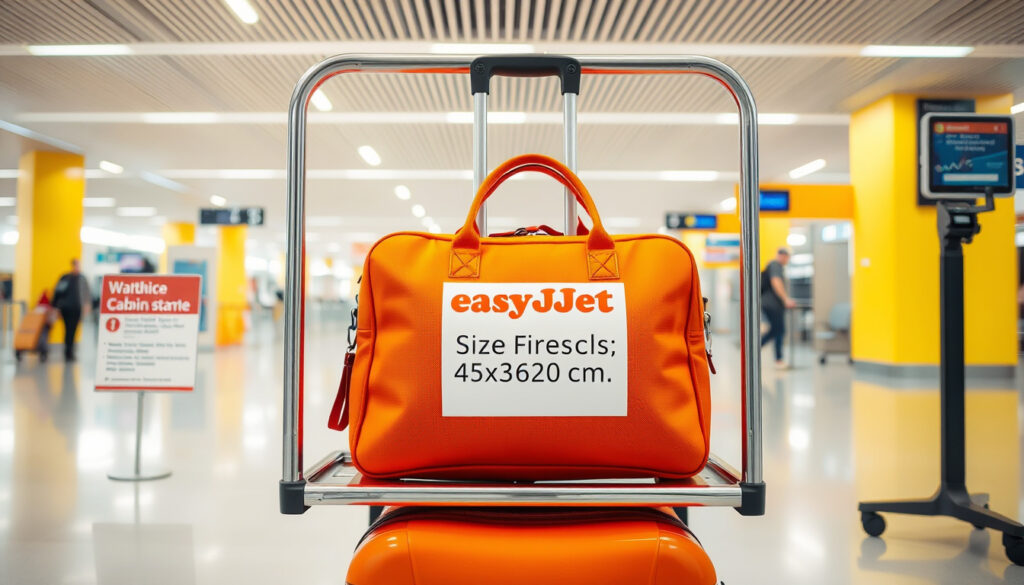
The official EasyJet cabin bag size for the complimentary small bag is 45 centimetres in length, 36 centimetres in height, and 20 centimetres in depth. These dimensions represent the maximum allowable measurements, and the airline is explicit that all protruding parts—including wheels and handles—must fit within these limits. The 45x36x20 centimetre configuration applies to the standard free cabin bag that all passengers are entitled to bring aboard.
Understanding the 45x36x20 Dimensions
Each dimension refers to a specific aspect of your bag’s external measurements. The 45-centimetre length typically corresponds to the longest side when the bag is placed flat. The 36-centimetre height represents how tall the bag stands, while the 20-centimetre depth is the thickness when packed. According to EasyJet’s official baggage guide, these measurements constitute the absolute maximum for the small cabin bag.
Does the Measurement Include Wheels and Handles?
Yes, the 45x36x20 centimetre dimensions explicitly include all protruding parts such as wheels, handles, and any external attachments. This means you cannot simply measure the main body of your bag and assume it meets requirements. Every element that protrudes beyond the primary shell must fall within these boundaries. This policy aligns with industry standards for carry-on luggage and is designed to ensure consistent sizing across all cabin bags brought onto the aircraft.
Where Must the Small Cabin Bag Be Stowed?
The small cabin bag must physically fit under the seat in front of you, as it is not permitted in the overhead lockers. This underseat storage requirement means the bag’s dimensions must allow for placement in the limited space beneath passenger seats. Unlike larger cabin bags that go overhead, the small bag is designed as a personal item that remains accessible throughout the flight.
EasyJet’s official documentation confirms that wheels, handles, and all external attachments must fit within the 45x36x20 centimetre maximum. Do not assume only the bag’s main body is measured.
Key Takeaways
- The 45x36x20 centimetre size is the maximum for the free standard cabin bag
- All protruding parts—wheels, handles, attachments—must be included in measurements
- The bag must fit under the seat in front of you, not in overhead lockers
- Exceeding these dimensions at the gate results in a forced £50 check-in fee
- Weight limits cap at 15 kg, though passengers must be able to lift their own bags
- The policy remained consistent through 2025 with no major changes documented
| Bag Type | Dimensions (cm) | Cost | Storage Location | Notes |
|---|---|---|---|---|
| Small Cabin Bag | 45×36×20 | Included free | Under seat | All passengers entitled |
| Large Cabin Bag | 56×45×25 | £5.99–£48 | Overhead lockers | Subject to availability |
| Excess Weight | Per kg | £12/kg | Calculated one-way | Beyond pre-paid allowance |
| Gate Check Bag | Oversized | £50 | Hold | If bag fails sizer check |
| Priority Boarding | Varies | From booking | Both options | Guarantees overhead space |
| EasyJet Plus Member | Large bag | Included | Overhead lockers | Always permitted |
Can You Take a Cabin Bag on EasyJet for Free?
Yes, all EasyJet passengers can bring one small cabin bag measuring up to 45x36x20 centimetres at no additional cost. This complimentary allowance is available to every traveller regardless of ticket type, making it one of the standard benefits of flying with the airline. The small bag is classified as a personal item and must be small enough to fit beneath the seat in front of you rather than in the overhead bins.
The Free Small Cabin Bag Allowance
The free cabin bag entitlement applies to every passenger booking an EasyJet flight. The small bag must conform to the 45x36x20 centimetre maximum and cannot exceed 15 kilograms in weight. Additionally, EasyJet requires that passengers be capable of lifting and carrying their own bags without assistance—a practical requirement that airport staff may enforce if a bag appears to exceed a passenger’s physical capability.
The Paid Large Cabin Bag Option
For passengers requiring more space, EasyJet offers a larger cabin bag option measuring 56x45x25 centimetres. This comes at an additional cost and requires one of the following conditions to apply: booking additional hand luggage during ticket purchase from £5.99 online, holding an EasyJet Plus membership, or having booked an easyJet Inclusive Plus or FLEXI fare. The large cabin bag must fit in the overhead lockers rather than under the seat.
The large cabin bag option is subject to space availability on your specific flight. Even if you have paid for or are entitled to a large cabin bag, you may still be required to check it at the gate if overhead lockers become full.
Passengers who book large cabin bags during initial ticket purchase typically secure lower rates, with pricing ranging from approximately £5.99 for online bookings up to £48 for last-minute additions at the airport. EasyJet Plus members and those on Inclusive Plus or FLEXI fares automatically qualify for the larger bag without additional payment. For those comparing baggage fees across carriers, MoneySavingExpert provides a detailed breakdown of budget airline luggage charges.
How Strict Is EasyJet on Cabin Bag Sizes and Sizers?
EasyJet actively enforces cabin bag size restrictions at the gate using standardized measuring frames. Staff will check that bags conform to the 45x36x20 centimetre maximum before allowing passengers to board with their cabin luggage. This enforcement applies to all non-priority passengers and can result in significant consequences for those whose bags do not meet the requirements.
How Gate Agents Check Your Bag
At the gate, EasyJet staff use physical sizers—rigid frames matching the maximum allowable dimensions—to verify cabin bags. Passengers must demonstrate that their bag fits within these boundaries before proceeding to board. The check includes all external protrusions such as wheels and handles, meaning bags must be completely enclosed within the sizer frame to pass inspection. AirHelp’s analysis of EasyJet hand luggage restrictions notes that enforcement consistency has improved in recent years following standardised training for gate agents.
What Happens If Your Bag Is Oversized
If a cabin bag exceeds the maximum dimensions at the gate, EasyJet will not permit it in the cabin. The bag will be tagged and checked into the aircraft hold, with a forced check-in fee of £50 applied. This charge applies regardless of whether the passenger had previously paid for additional services or held membership status, as the enforcement occurs at the physical boarding stage.
Passengers whose bags exceed EasyJet size limits face a mandatory £50 fee for gate-checked luggage. This fee is applied at the boarding gate and cannot be avoided once the bag fails the sizer check.
Weight violations carry additional consequences. If a cabin bag exceeds the pre-paid weight allowance, excess baggage fees of £12 per kilogram apply, calculated on a one-way basis. Some sources indicate that oversized fee penalties can range from £37 to £47 depending on the severity of the violation, though the mandatory £50 gate-check charge remains the primary concern for dimension-related violations. EasyJet’s excess baggage information provides full details on weight-related charges.
EasyJet Cabin Bag Weight Limits and Packing Tips
While the maximum weight for EasyJet cabin bags is officially 15 kilograms, the airline also imposes a practical requirement that passengers must be able to lift and carry their bags without assistance. This combination of weight limit and physical capability means that even bags within the 15-kilogram threshold may be refused if they appear too heavy for the passenger to manage safely.
Understanding the Weight Requirements
The 15-kilogram weight ceiling applies to cabin bags, but enforcement varies depending on gate staff judgment and specific airport procedures. In practice, many passengers travel with bags well under this limit without experiencing weight-related issues. However, those packing near the maximum should be prepared for potential scrutiny, especially if the bag appears difficult to handle.
Choosing the Right Compliant Bag
Selecting a cabin bag specifically designed for the 45x36x20 centimetre requirement can significantly reduce the risk of gate rejection. Look for bags marketed specifically as EasyJet-compliant or those with dimensions clearly matching the airline’s specifications. Features such as retractable handles and compact wheel designs can help ensure all protrusions remain within the required boundaries.
Bags marketed as 45x36x20 compliant often include design features such as flat bases and recessed wheels that help maintain the exact dimensions when fully packed. Checking product specifications before purchase can prevent issues at the gate.
When packing, distribute weight evenly and avoid overstuffing, as bulging sides or expanded zippers can push your bag beyond the allowed measurements. Using compression packing cubes or soft-sided bags can help maintain the bag’s shape within the dimensional limits. Additionally, measuring your bag at home before travelling—with all contents inside and handles in the position you will use them—provides a final verification before reaching the airport. Skyscanner’s EasyJet carry-on luggage guide offers additional practical advice for travellers navigating cabin bag policies.
Policy Timeline: How EasyJet’s Cabin Bag Rules Have Evolved
Understanding the history of EasyJet’s cabin bag policy provides context for the current rules and helps explain why certain restrictions are in place today.
- Pre-2021: EasyJet permitted larger free cabin bags with less stringent enforcement, allowing many passengers to bring full-sized carry-on bags at no additional charge.
- 2021 Update: The airline introduced the strict 45x36x20 centimetre maximum for the complimentary small bag, standardising the free allowance and reducing inconsistency in enforcement.
- 2023: Priority boarding options were clarified, distinguishing between small and large cabin bag entitlements for different passenger categories and fare types.
- 2025: No major changes to the 45x36x20 centimetre standard have been documented, with the policy remaining consistent regarding the inclusion of wheels and handles in measurements and the 15-kilogram weight limit.
What We Know for Certain and What Remains Unclear
Established Information
- The exact maximum dimensions for the small cabin bag are 45×36×20 centimetres
- All protruding parts including wheels and handles must fit within these measurements
- The small bag must fit under the seat in front of you
- The large cabin bag measures 56×45×25 centimetres and costs extra
- Gate enforcement with sizers is actively applied
- The forced check-in fee for oversized bags is £50
- The weight limit is 15 kilograms with £12 per kilogram excess charges
Information That Remains Unclear
- Exact weight enforcement consistency varies between airports and staff
- How physical capability judgments are made in practice
- Specific criteria for the £37-£47 fee range versus £50 flat fee
- Frequency of overhead locker availability issues for large bag holders
- Whether upcoming policy changes are being considered for 2026
Why EasyJet Enforces These Cabin Bag Restrictions
EasyJet’s strict cabin bag policy serves several business objectives aligned with its low-cost operating model. By limiting the size and quantity of free cabin luggage, the airline can optimise aircraft loading times, reduce boarding delays, and maintain competitive ticket pricing. These restrictions also encourage passengers to utilise hold luggage for larger items, generating additional revenue through checked baggage fees.
The policy aligns with industry trends among European low-cost carriers, where cabin bag restrictions have become increasingly standardised. Compared to full-service airlines that include generous luggage allowances in ticket prices, budget carriers like EasyJet separate baggage costs to offer lower base fares. This modular pricing structure allows passengers to pay only for services they actually use. Which? has covered EasyJet’s hand luggage rules for winter travel in their analysis of how budget airlines manage cabin baggage.
For travellers planning trips that include EasyJet flights, understanding these restrictions can inform broader travel planning decisions. Those visiting Heathrow Long Stay Parking – Prices, Booking and Transfer Guide for airport parking may want to account for extra time at the terminal if carrying cabin luggage that requires gate verification.
“The 45x36x20 centimetres dimensions represent the maximum allowable size for the standard small cabin bag. This measurement includes all protruding parts—handles, wheels, and any other attachments.”
— EasyJet Official Baggage Policy
Key Takeaways for EasyJet Passengers
EasyJet’s cabin bag policy centres on a precise 45x36x20 centimetre dimension for the complimentary small bag that all passengers can bring aboard. These measurements include all wheels and handles, and the bag must physically fit under the seat in front of you. While the policy remained consistent through 2025, enforcement at gates remains strict, with £50 fees applying to oversized bags checked into the hold.
Passengers needing larger luggage can opt for the 56x45x25 centimetre paid option, available through online booking, EasyJet Plus membership, or premium fare types. Measuring your bag before arriving at the airport and selecting compliant luggage can help avoid unexpected fees and ensure smooth boarding.
Planning travel around UK bank holidays can affect when airport crowds peak, so checking resources like When’s the Next Bank Holiday – UK Dates for All Regions may help you time your journey more effectively.
Frequently Asked Questions
Has EasyJet changed cabin bag policy recently?
The 2025 EasyJet cabin bag policy maintains the same 45x36x20 centimetre dimensions as previous years. No significant changes have been documented regarding the inclusion of wheels and handles in size calculations or the 15-kilogram weight limit.
What happens if my EasyJet cabin bag is too big?
If your cabin bag exceeds the 45x36x20 centimetre maximum at the gate, EasyJet will not permit it in the cabin. The bag will be checked into the aircraft hold for a mandatory fee of £50.
Does EasyJet cabin bag size include wheels and handles?
Yes, the 45x36x20 centimetre dimensions explicitly include all protruding parts such as wheels, handles, and any external attachments. Every element of the bag must fit within these boundaries.
How strict is EasyJet with cabin bag measurements?
EasyJet actively enforces cabin bag size restrictions at the gate using physical measuring frames. Staff verify that bags fit within the sizer with all protrusions included before allowing boarding.
Can I bring a bag larger than 45x36x20 for free?
No, the 45x36x20 centimetre limit applies to the free cabin bag allowance. Larger bags measuring 56x45x25 centimetres require either additional payment during booking, EasyJet Plus membership, or an Inclusive Plus or FLEXI fare.
What is the weight limit for EasyJet cabin bags?
EasyJet cabin bags can weigh up to 15 kilograms. However, passengers must also be able to physically lift and carry their bags, and staff may refuse bags that appear too heavy for the passenger to handle safely.
Is the large cabin bag guaranteed if I pay for it?
The large cabin bag option is subject to overhead locker space availability on your specific flight. Even with paid or entitled access, your bag may be checked at the gate if overhead space runs out.