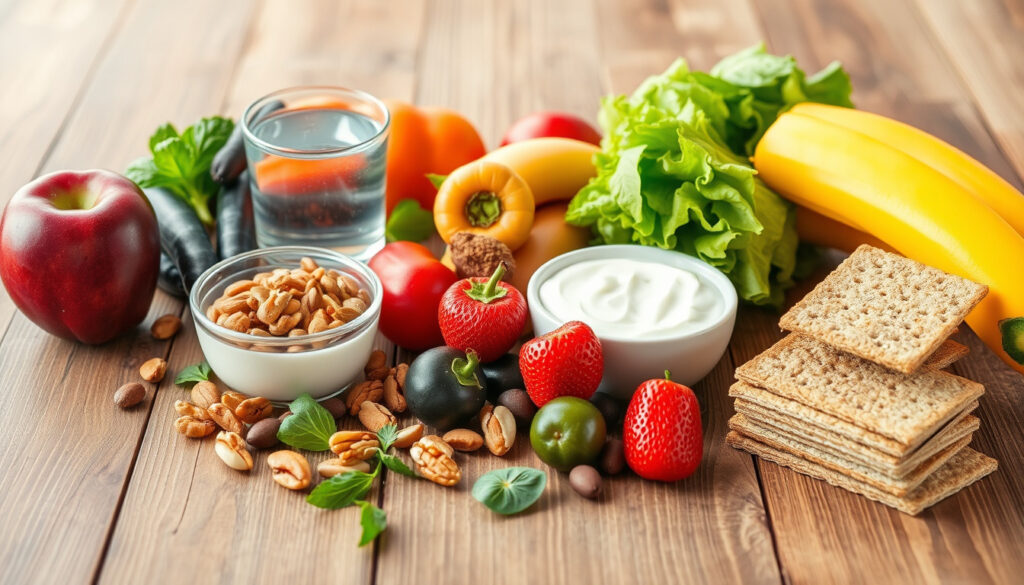
Healthy Snacks – Best Options for Weight Loss, Kids & Cravings
Healthy snacking does not have to mean bland food or endless celery sticks. The right choice can support weight management, keep children satisfied between meals, and even satisfy a sweet tooth without derailing progress. Protein and fibre are the two most critical components for satiety, yet many packaged products marketed as “healthy” are anything but. Understanding what to look for on labels and which cultural options fit the bill can make all the difference. This guide draws on advice from the NHS, the British Dietetic Association, and other trusted sources to help you navigate the snack aisle and your own kitchen.
The snack food industry has responded to growing demand for better-for-you products, but not all offerings are equal. A so-called “protein bar” can contain as much sugar as a chocolate bar, and a yogurt labelled “low-fat” may be loaded with sweeteners. The key is to focus on whole foods and to use the nutritional panel rather than the marketing claims. As a rule of thumb, the NHS recommends limiting packaged snacks to two per day for children and choosing fruit and vegetables most of the time.
Whether you are looking for snacks to support weight loss, for your children, or something to curb a craving, this article breaks down the best options by category. It includes store-bought picks available in UK supermarkets, homemade ideas, and a dedicated section on healthy Indian snacks. All recommendations are grounded in verified guidance from dietetic associations, government health bodies, and peer-reviewed nutritional science.
What Are the Best Healthy Snacks for Weight Loss?
- Best for Weight Loss (Protein & Fiber) – Vegetable sticks with hummus, plain Greek yogurt, hard-boiled eggs.
- Best for Kids (Fun & Hidden Veggies) – Fruit skewers with yogurt dip, cheese and wholegrain crackers, homemade veggie muffins.
- Best Store-Bought (UK & US Brands) – Plain popcorn, lower-fat cheese snack portions, unsweetened applesauce pouches, wholegrain crispbreads.
- Best Cultural Options (Indian & More) – Roasted chana, makhana, sprout chaat, paneer cubes, besan chilla.
Key Insights
- Healthy snacking does not mean sacrificing taste or convenience.
- Protein and fibre are the key drivers for satiety and weight management.
- Many store-bought “healthy” snacks are marketing labels; checking sugar and fibre content is critical.
- Cultural adaptations, such as Indian snacks, can make healthy eating more sustainable.
- The NHS advises using front-of-pack traffic-light labels to identify lower‑sugar, lower‑fat, and lower‑salt options.
- Sweetened yogurts are often mistaken for healthy choices; plain or low‑sugar varieties are far better.
- Portion control matters even for whole foods – nuts and seeds are nutritious but energy‑dense.
Comparison Table: Homemade vs. Store-Bought for Common Snack Goals
| Criteria | Best Option (Homemade) | Best Option (Store-Bought) |
|---|---|---|
| Weight Loss | Vegetable sticks + hummus | Protein bars (<5g sugar per bar) |
| Kids | Fruit skewers with yogurt dip | Unsweetened applesauce pouches |
| Sweet Tooth | Dark chocolate + almonds | Rice cakes with nut butter |
| Quick Energy | Banana + peanut butter | Trail mix (no added sugar) |
| Savory Craving | Veggie sticks + hummus | Plain popcorn (no added salt) |
| Sweet Craving | Dark chocolate + almonds | Unsweetened applesauce pouch |
| Quick Prep | Banana + peanut butter | Trail mix (no added sugar) |
| Late Night | Hard-boiled egg | Small Greek yogurt pot |
For a more substantial high‑protein snack, see our guide on How to Cook Chicken Breast – 4 Methods for Perfect Juicy Results.
What Are Easy and Healthy Snacks for Kids?
What are fun homemade snack ideas for children?
The NHS Healthier Families programme suggests quick homemade snacks such as mashed avocado and boiled egg on toast, or cheesy oatcakes with tomatoes. Fruit skewers with a yogurt dip are another hit – children enjoy assembling them, and the yogurt provides protein. For an Indian twist, besan chilla (gram flour pancakes) stuffed with grated vegetables can be cut into fun shapes.
How to make healthy snacks that kids will actually eat?
Involving children in preparation often increases acceptance. Let them choose between two or three healthy options. The Healthline guide recommends keeping textures and colours varied. Baked sweet potato wedges, homemade “nice cream” made from frozen bananas, and mini wholemeal pitta pizzas with tomato sauce and cheese are all proven crowd‑pleasers.
What are the best store-bought snacks for kids?
The NHS specifically lists lower‑fat cheese with plain rice cakes or crackers, lower‑sugar fromage frais, and ready‑to‑eat fruit packs (apple, carrot, cucumber, peppers, satsuma segments). For younger children, whole nuts should be avoided due to choking risk; instead, opt for softened paneer cubes, hummus, or yogurt. The British Dietetic Association also endorses plain popcorn and wholegrain crispbreads.
The NHS warns that whole nuts must not be given to children under five because of choking risk. Softer snacks such as yogurt, cheese sticks, boiled eggs, and well‑cooked besan chilla are safer alternatives for toddlers and preschoolers.
What Are Healthy Sweet and Chocolate Snacks?
What are healthy alternatives to chocolate bars?
Dark chocolate with at least 70% cocoa is rich in antioxidants and lower in sugar than milk chocolate. A small square paired with almonds or berries makes a satisfying treat. The Healthline list also includes chocolate‑flavoured rice cakes that can be spread with nut butter for a more balanced bite.
What are healthy sweet snacks for sugar cravings?
When a sugar craving strikes, reach for naturally sweet options. Greek yogurt with fresh berries, a sliced apple with cinnamon, or a small handful of dates provide sweetness alongside fibre and protein. The BBC Food collection features a no‑added‑sugar banana oat cookie that can be whipped up in under 15 minutes.
How to make healthy chocolate snacks at home?
Homemade chocolate energy balls are simple: combine dates, cocoa powder, oats, and a little nut butter, then roll into balls. Alternatively, melt dark chocolate and dip sliced banana or strawberries for an instant treat. These recipes allow full control over the sugar content and avoid the additives common in commercial “healthy” chocolate bars.
When shopping for sweet snacks, check the “per 100g” column. According to dietitian advice from Nudie Rudie Lunchbox, snacks should aim for ≤10g fat, ≥3g fibre, and ≤400mg sodium per 100g. For bars, the Indian food industry guide from FICSI recommends choosing those with around 10g protein and below 5g sugar.
What Are Healthy Indian Snacks?
What are healthy Indian snacks for evening time?
Traditional evening snacks in India often rely on legumes and seeds. Roasted chana (roasted chickpeas) is a protein‑rich, low‑calorie option that fits the protein‑plus‑fibre pattern endorsed by weight‑loss sources. FICSI also lists makhana (fox nuts) as a healthy alternative to crisps – they are naturally low in calories and can be lightly spiced and roasted.
What are some traditional Indian snacks that are healthy?
Sprout chaat, made from steamed lentil sprouts tossed with chopped vegetables and a squeeze of lemon, delivers protein, fibre, and vitamins without heavy oil. Paneer cubes or paneer tikka – grilled cottage cheese with spices – are another high‑protein snack that can be eaten as is or with a mint chutney. These options are far lower in saturated fat than many fried Indian snacks.
What are quick healthy Indian snack recipes?
Besan chilla (gram flour pancakes) can be prepared in under 10 minutes. The FICSI guide describes it as a high‑protein snack, especially when filled with diced onions, tomatoes, and spinach. Edamame and tofu, while not strictly traditional, are also recommended in the same guide for weight management, offering a quick microwave‑ready protein hit.
While nuts and seeds are nutrient‑dense, they are also calorie‑dense. The NHS advises that whole nuts should not be given to children under five, and even for adults, a small handful is sufficient. The same applies to roasted chana and makhana – keep portions modest.
What Are the Best Healthy Snacks to Buy at the Store?
What are healthy snacks to buy in the UK?
UK supermarkets now stock a wide range of better‑for‑you snacks. Look for plain Greek yogurt pots, lower‑fat cheese snack portions, wholegrain crispbreads (e.g., Ryvita), unsweetened applesauce pouches, and plain popcorn. The NHS recommends using the front‑of‑pack traffic‑light system: aim for green or amber on fat, saturates, sugar, and salt, and choose items that carry the “Good choice” badge where available.
What are good store-bought healthy snack brands?
While brand recommendations change, the principles remain constant. Healthline and the USDA Dietary Guidelines both emphasise products with whole foods as the first ingredient. In the UK, brands such as Kallo (rice cakes), Yeo Valley (plain yogurt), and The Happy Snack Company (pulses) often meet these criteria, but always check the label because formulations vary.
What to look for on the label of a healthy snack?
Use the per‑100g column as your benchmark. Dietitian sources suggest aiming for snacks with around 600 kJ or less, less than 10g fat, at least 3g fibre, and less than 400mg sodium per 100g. Watch out for “reduced fat” claims – they sometimes mask added sugar. The Nudie Rudie Lunchbox guide also warns against sweetened yogurt varieties and recommends choosing no‑added‑sugar or low‑sugar options.
A simple way to build a balanced snack is to combine one protein source with one fibre source: yogurt + berries, cheese + apple slices, boiled egg + cucumber sticks, roasted chana + fruit, paneer cubes + tomatoes, wholegrain crispbread + cottage cheese, or a small portion of sprout chaat. This combination maximises fullness and nutritional value.
What Are Some Filling and Proper Snacks?
What are healthy late night snacks?
Late‑night snacking often leads to overeating, but small portions of protein‑rich foods can curb cravings without disrupting sleep. A hard‑boiled egg, a small pot of Greek yogurt, or a handful of almonds each provide enough satiety without excess calories. The Men’s Health list includes cottage cheese and sliced turkey as filling options that are low in sugar.
What are good savory snack ideas?
Savory cravings can be satisfied with plain popcorn, roasted chickpeas, or wholegrain crackers with lower‑fat cheese. Women’s Health highlights vegetables with hummus and edamame beans as two satisfying savory picks that deliver both protein and fibre. For those who enjoy Indian flavours, roasted makhana tossed with turmeric and black pepper makes an excellent alternative to crisps.
What are the best healthy snack ideas for work?
Portable, non‑perishable snacks are ideal for the office. A small container of mixed nuts (unsalted), a piece of fruit, a wholegrain cracker pack, or a single‑serve hummus pot with veggie sticks all travel well. If a fridge is available, Greek yogurt pots, cheese portions, or boiled eggs are even more filling. The key is to prepare these in advance to avoid vending machine temptations.
How Has the Concept of Healthy Snacking Evolved?
- 2010s: Rise of “low‑fat” and “diet” snack bars, often high in sugar and artificial ingredients.
- 2015: Shift toward “clean eating” and whole‑food snacks; consumers began rejecting overly processed items.
- 2020: Pandemic drives interest in homemade and shelf‑stable snacks, with many people baking and batch‑cooking.
- 2023: Focus on protein, functional ingredients (e.g., gut‑health probiotics), and transparent labelling.
- 2025: AI‑driven snack recommendations and personalised nutrition begin to influence both retail and recipe development.
What Do We Know for Sure About Healthy Snacks, and What Is Still Debated?
| Established Information | Information That Remains Unclear |
|---|---|
| Eating whole fruits, vegetables, and nuts is universally considered healthy. | The definition of “healthy” varies by dietary needs (keto vs. vegan) and regulatory bodies (FDA vs. EU). |
| Protein and fibre together promote satiety and weight management. | The healthfulness of many commercial “healthy” snack bars is often debated due to added sugars and processing. |
| NHS guidelines recommend limiting packaged snacks to two per day for children. | Ideal snack timing (e.g., pre‑ vs. post‑workout) remains individualised and not universally agreed. |
What Is the Broader Context Behind the Healthy Snack Trend?
The snack food industry is evolving rapidly, with major brands reformulating products to reduce sugar and increase fibre. Consumer demand for transparency and clean labels is driving innovation in both store‑bought and recipe‑focused content. At the same time, cultural diversity in snacking is gaining attention – traditional options from Indian cuisine, for example, offer naturally high‑protein, low‑calorie choices that align with modern nutritional science. This intersection of weight management, convenience parenting, and foodie culture means that “healthy snack” is no longer a niche category but a central conversation in public health and retail.
What Do the Experts Say About Healthy Snacks?
“Focus on the food groups: fruit and vegetables; starchy carbohydrates; beans, pulses, fish, eggs, meat.”
British Dietetic Association (BDA)
“Examples of 6 healthy snacks include hummus, cheese, crackers with fruit, canned fish, avocado, and popcorn.”
Healthline (Medical Review)
“Quick homemade snack ideas: mashed avocado and boiled egg; cheesy oatcakes with tomatoes.”
NHS Healthier Families
What’s Next for Healthy Snacking?
The next frontier includes personalised snack subscriptions based on DNA or microbiome testing, AI‑generated recipes tailored to individual preferences, and tighter regulatory definitions of “healthy” – for example, the FDA’s updated criteria in the United States. To learn more about specific superfoods, read our article on Are Chia Seeds Good For You – Benefits, Risks & Daily Intake.
Frequently Asked Questions About Healthy Snacks
Are rice cakes healthy snacks?
Plain rice cakes are low in calories but also low in fibre and protein. Pairing them with nut butter, avocado, or cheese makes them a more balanced and filling snack.
What are healthy snacks for weight loss at night?
Opt for small portions of protein‑rich snacks like a hard‑boiled egg, a small Greek yogurt, or a handful of almonds to avoid overeating while curbing cravings.
What is the healthiest chocolate snack?
Dark chocolate (70% cocoa or higher) is rich in antioxidants. Pairing a small piece of dark chocolate with nuts or berries is one of the healthiest options.
Are nuts a healthy snack?
Nuts are nutrient‑dense and contain healthy fats, protein, and fibre. However, they are also calorie‑dense, so portion control is important. The NHS advises against whole nuts for children under five due to choking risk.
What is a good store‑bought snack for kids?
The NHS recommends lower‑fat cheese with plain rice cakes or crackers, lower‑sugar fromage frais, fruit packs, and plain popcorn. Always check the label for added sugars.
More related posts
 Tony Shalhoub – Biography, Net Worth, and Iconic Roles
 Violet Myers – Biography, Age, and Career Overview
 Dennis Cleveland Stewart – Cause of Death and Partner
 Henna Designs – Easy Ideas for Beginners, Girls, Boys & Kids
 Jack White – Net Worth, Wife, Age, Height, and 2025 Tour
 Gregg Wallace – Biography, Net Worth, and Controversy
 Anna Chancellor – Biography, Movies, TV Shows, and Personal Life
 Jeff Bridges – Biography Movies Net Worth and Health