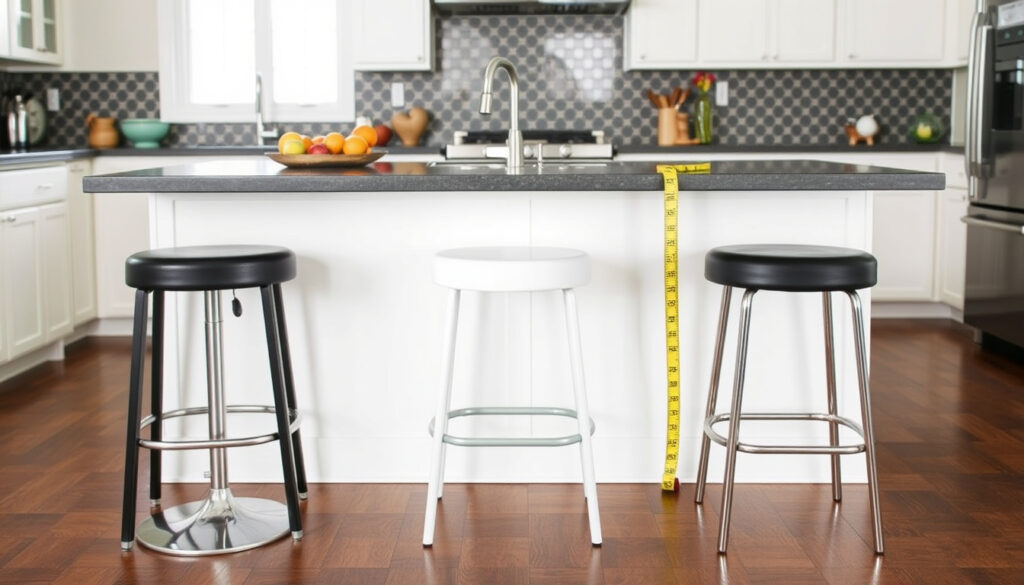
Bar Stools – How to Pick the Right Height for Your Home
Choosing the right bar stool for your kitchen island or home bar can feel like a guessing game. Get the height wrong, and you end up eating breakfast with your chin on the counter. This guide brings together the key sizing rules, style considerations, and shopping tips to help you find a stool that fits both your space and your budget.
Whether you are outfitting a breakfast bar, a raised counter, or a commercial-style bar, the most important number is the distance between the floor and the underside of your counter. UK retailers and interior guides agree that leaving roughly 25–30 cm of legroom between the seat and the counter’s lowest point is the starting point for comfort.
In the sections below we break down the ideal heights for different counters, compare backrest designs, look at where to find deals, and give you a step-by-step buying process. The advice is drawn from British furniture specialists and consumer sources so you can shop with confidence.
What is the Ideal Height for Bar Stools?
75 cm (30 in) for bar counters, 65 cm (26 in) for breakfast bars
Backrest adds comfort; armrests add luxury
Leather, faux leather, wood, metal, upholstered fabric
£40–£250 (budget), £250–£600+ (premium)
Key insights on sizing
- Height mismatch is the number one reason bar stools are returned. Most buyers guess the seat height rather than measuring the counter underside.
- A standard kitchen island is 90 cm; a bar counter is 105–110 cm. Seat heights of 65 cm vs 75 cm are critical to get right.
- Sets of 2 or 4 are typically 40% cheaper per unit than buying singles. For example, a set of four luxury stools can save £50–£100.
- Swivel stools dominate modern kitchens but are not always practical for tight floor plans – they need room to rotate.
- Always measure from the floor to the underside of the counter, not just the top surface. The overhang, trim, or apron can reduce clearance.
- If you use the rule “subtract 25–30 cm from counter height” you’ll get a stool seat height that works for most people. Some guides suggest 20–25 cm, but 25–30 cm is the broader consensus across UK retailers.
- Leave about 15 cm between stools, or 20–25 cm if the stools have armrests, so everyone can sit comfortably.
Bar stool height reference table
| Attribute | Value |
|---|---|
| Standard Bar Counter Height | 105–110 cm |
| Corresponding Stool Height | 75 cm seat height |
| Standard Breakfast Bar Height | 90 cm |
| Corresponding Stool Height | 65 cm seat height |
| Most Popular Material in UK | Faux leather (easy to clean, modern look) |
Are Bar Stools with Backs More Comfortable?
Best types of bar stools for kitchen islands
Kitchen islands are often used for casual dining, homework, or socialising. A stool with a low back or a full back provides support for longer sitting periods. Backless stools are better for islands that need to be tucked away when not in use, but they lack lumbar support. The choice depends on how long you typically sit.
If you plan to eat meals at the island, choose a stool with a backrest and consider a footrest. The combination reduces pressure on your lower back. For occasional perching, a backless stool is fine and takes up less visual space.
Are swivel bar stools practical?
Swivel stools allow you to turn without moving the stool, which is great for conversation in open-plan kitchens. However, they require a clear area around the stool – about 60–70 cm of floor space – and can be cumbersome in narrow layouts. Fixed-height stools are simpler and often take up less room when pushed in.
What features should I look for in a bar stool?
Beyond height, check the width (typically 40–50 cm), depth, base size, arm height, backrest height, and footrest position. A stool that is too wide won’t fit under the counter overhang. Adjustable stools with a gas lift are useful if you need one stool to work with two different counter heights – they are common in modern UK ranges from retailers such as Wayfair and others.
Where Can I Find Clearance or Discounted Bar Stools in the UK?
Buying bar stools in sets
Sets of 2 or 4 are widely available from UK furniture stores. They ensure a consistent look and predictable dimensions, especially for kitchen islands and breakfast bars. Some retailers, including Choice Furniture Superstore and Barker & Stonehouse, show set pricing plainly.
Clearance shopping tips
Clearance deals are seasonal and stock‑dependent. When browsing clearance, filter by exact seat height, fixed vs adjustable, backless vs backed, and how many stools you need. Many UK retailers offer free delivery, which is a key driver for online buyers. The Simply Bar Stools range, for example, includes both clearance and standard lines.
Height mismatch is the top reason for returns. Even on clearance items, check the return window and whether the seller covers return shipping. The UK government’s consumer protection page outlines your rights for online furniture purchases.
How Do I Choose the Right Bar Stool for My Home?
What materials are best for bar stools?
Faux leather is the most popular choice in UK homes because it wipes clean and looks modern. Wood (oak, beech) adds warmth and durability but may need occasional treatment. Metal stools suit industrial or minimalist interiors. Upholstered fabric offers comfort but requires more upkeep. The British design site Homes & Gardens covers material pros and cons for each style.
Current popular styles
Fixed-height stools remain the most bought, but adjustable gas-lift models are growing in popularity. Swivel bases and luxe velvet upholstery are trending for 2024–2025. Backless stools dominate smaller kitchens, while full-back stools are favoured for longer sitting. The Felix buying guide tracks these style shifts.
How many bar stools do I need for my island?
For a 2‑metre island, three stools fit comfortably when you allow 60–70 cm width per stool. For a 1.8‑metre island, two stools are better. Always measure the available counter length and subtract gaps for armrests if present.
What Are the Key Steps to Buying Bar Stools?
- Measure your counter/bar. Note height from floor to underside, and also the width of the overhang. Allow at least 25–30 cm legroom.
- Choose material and style. Leather for spill resistance, wood for warmth, metal for industrial looks.
- Decide on features. Backrest vs no back, swivel vs fixed, adjustable height (gas lift).
- Compare sets vs singles. Sets of 2 or 4 often offer price breaks. Check delivery charges – free UK delivery is common.
- Check clearance/deals. Major retailers run clearance sales quarterly. Filter by seat height and back style.
For a deeper look at the buying process, see our Stool Bar Buyer’s Guide for Kitchen Islands and Leather Seating.
What Do We Know for Sure About Bar Stools?
| Established information | Information that remains unclear |
|---|---|
| Bar stool seat height is standardised at 75 cm for bar counters and 65 cm for breakfast bars. | Comfort across different “with back” designs varies greatly – no universal standard. |
| Most commercial-grade bar stools come in set configurations (2, 4, or more). | Swivel stool practicality depends on kitchen island shape and available floor space. |
| Faux leather is the most common upholstery material for easy maintenance. | Price clearance deals are seasonal and stock‑dependent; specific prices change weekly. |
Why Does Bar Stool Height Matter for Both Posture and Style?
Mismatched height leads to discomfort and awkward eating posture. Design harmony requires seat height to leave 15–20 cm gap between stool seat and counter underside according to some guides, though the broader UK consensus is 25–30 cm. Compact kitchens drive demand for backless or low-profile stools that can be tucked away. Swivel and gas‑lift designs are growing in 2024–2025 online searches, reflecting a shift toward flexible seating.
Which UK Retailers and Experts Should You Trust?
“Simply Bar Stools stocks 30,000+ bar stools – indicative of market breadth.”
– Simply Bar Stools
“Danetti has been a UK specialist since 2006 – a trust signal for buyers.”
– Danetti
“Barstools.co.uk offers free UK delivery – a key purchase driver for UK consumers.”
– Barstools.co.uk
“Cult Furniture showcases the high-end aesthetic direction in the market.”
– Cult Furniture
Consumer reviews on Which? provide independent durability and comfort assessments. The retailer Furniture Choice also publishes material and style comparisons.
What’s Next for Bar Stool Trends?
Watch for eco‑friendly and reclaimed wood bar stools as a trend in 2025. Expect more adjustable/gas‑lift models designed for sit‑stand home offices and kitchen islands. Retailers may bundle bar stool sets with table/bar height tables for complete kitchen seating solutions. If you’re also shopping for seasonal deals, our Down Jacket – UK Brands, Clearance, and Buying Tips guide follows a similar decision framework.
Frequently Asked Questions About Bar Stools
Can I use a bar stool for a desk?
Yes, but only if the desk height is 105 cm or more; most standard desks are 74 cm, so a bar stool would be too tall.
How many bar stools fit a 2 metre island?
Usually 3 stools comfortably; allow 60–70 cm width per stool.
Are wooden bar stools durable?
Yes, hardwood stools (oak, beech) are very durable, but they may require more maintenance than metal or leather.
Do you need bar stools with arms?
Arms add comfort but can prevent the stool from sliding under the counter – check clearance height.
How much space should I leave between bar stools?
About 15 cm between stools, or 20–25 cm if the stools have armrests, so everyone can sit comfortably.
More related posts
 Jack Savoretti – Biography, Songs, Tour 2026 and More
 Cane Corso – Upptäck Temperament, Pris, Storlek och Skötsel
 Aaron Wan-Bissaka – Biography, Salary, Injury, and DR Congo Career
 David Jonsson – Biography, Age, Movies and TV Shows
 Napoleon Dynamite – Complete Guide to the 2004 Cult Classic
 Michael Kitchen – The Quiet Force Behind Foyle’s War
 Lewis Miley – Age, Injury, Return Date and FC 26 Rating